
is about John the Baptist preparing the way for the coming of Jesus, emphasizing the importance of repentance and acknowledging the superiority of Jesus.
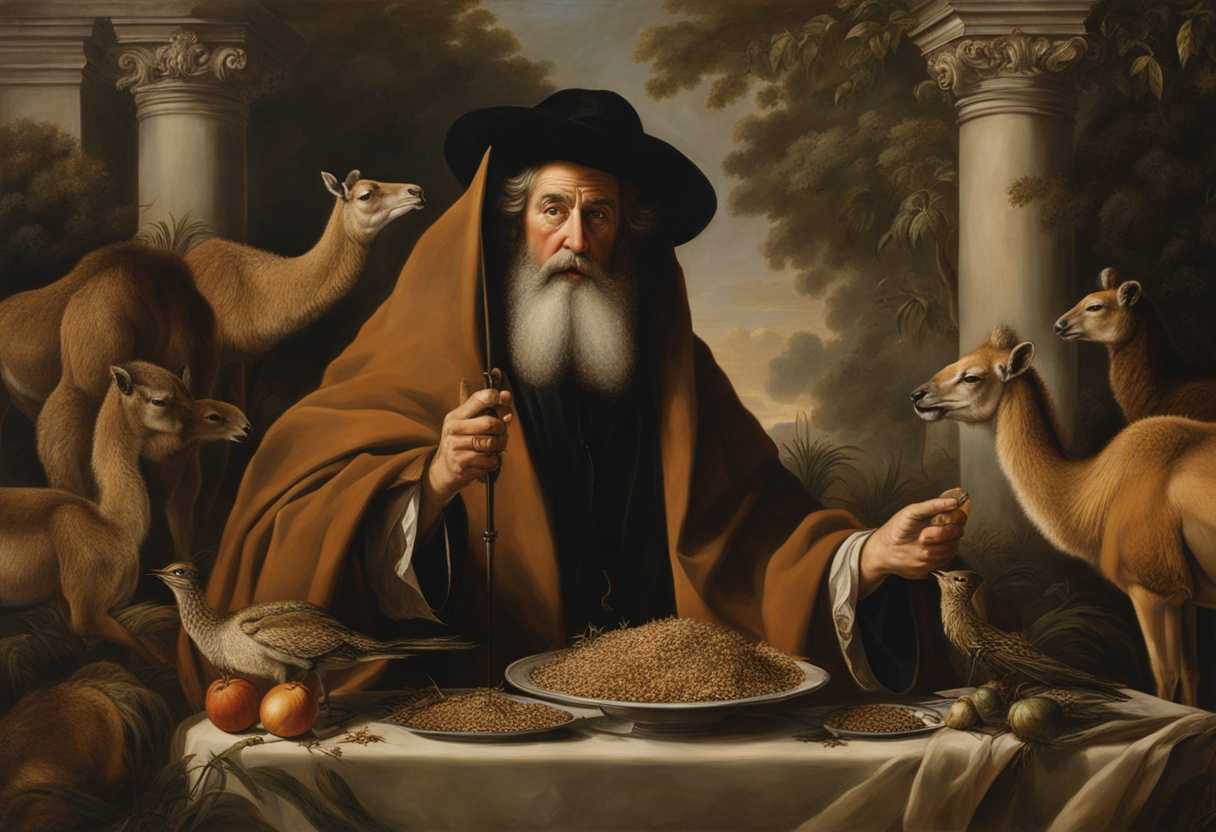
6 Now John was clothed with camel’s hair and wore a leather belt around his waist and ate locusts and wild honey.
7 And he preached, saying, “After me comes he who is mightier than I, the strap of whose sandals I am not worthy to stoop down and untie.
8 I have baptized you with water, but he will baptize you with the Holy Spirit.”
Setting the Scene for Mark 1:6-8
In Mark chapter 1, we find John the Baptist in the wilderness, preaching a baptism of repentance for the forgiveness of sins. The scene is set along the banks of the Jordan River, where people from Jerusalem and all over Judea are coming to hear John’s message and be baptized by him in the river.
John is dressed in camel’s hair with a leather belt around his waist, and his diet consists of locusts and wild honey. His presence is striking, with his powerful voice carrying across the wilderness as he calls people to repentance and prepares the way for the coming of the Messiah.
Among the crowd gathered by the river are people from all walks of life, drawn by John’s message of hope and redemption. They listen intently as he proclaims, “I baptize you with water, but he will baptize you with the Holy Spirit.” The atmosphere is charged with anticipation and expectation as John prepares the hearts of the people for the arrival of Jesus Christ.
What is Mark 1:6-8 about?
Jesus brought a new experience of spiritual renewal through the Holy Spirit, transitioning from the old ways of purification through water baptism practiced by John the Baptist in this verse. John the Baptist symbolizes the preparation and readiness for a new era that Jesus will bring. While water baptism cleanses the body, the baptism of the Holy Spirit cleanses the soul and transforms a person spiritually.
Reflecting on this verse, consider the profound shift from external rituals to internal transformation that Jesus offers. How does this change the way we view spiritual growth and connection with God? Are we open to receiving this baptism of the Holy Spirit in our lives, allowing it to renew us from within? This verse challenges us to ponder on the deep implications and embrace a deeper spiritual reality beyond mere external actions.
Understanding what Mark 1:6-8 really means
Introduction
In Mark 1:6-8, we are given a glimpse into the life and message of John the Baptist, a pivotal figure in preparing the way for Jesus. These verses paint a picture of John’s appearance, lifestyle, and his humble acknowledgment of the coming of someone greater than himself. This passage serves as a prelude to the introduction of Jesus, highlighting the humility and purpose of John the Baptist in paving the way for the Messiah.
Detailed Commentary
John’s choice of clothing, made of camel’s hair with a leather belt, symbolizes his role as a prophet, drawing parallels to Elijah in the Old Testament. This attire signifies his call to repentance and his separation from worldly extravagance, emphasizing spiritual wealth over material possessions. His diet of locusts and wild honey reflects his ascetic lifestyle, relying on God’s provision and underscoring his dedication to his mission of preparing hearts for the coming of Jesus.
Acknowledging his own limitations, John humbly declares that someone more powerful than him is to follow. This prophecy points to Jesus as the fulfillment of Isaiah’s words, highlighting John’s humility in recognizing his subordinate role in God’s plan. John’s statement that he is unworthy to even untie Jesus’ sandals showcases his deep reverence for the divine authority of Christ, emphasizing humility in the face of greatness.
John distinguishes his baptism of repentance with water from the transformative baptism that Jesus will bring with the Holy Spirit. This distinction underscores the promise of Jesus’ ministry and the outpouring of the Holy Spirit, pointing to the spiritual renewal that Jesus will bring to those who believe. These verses lay the foundation for understanding the significance of John’s ministry in preparing hearts for the arrival of Jesus.
Related Passages
Connecting to Old Testament prophecies, Isaiah 40:3 and Malachi 3:1 foretell the coming of a messenger to prepare the way for the Lord, fulfilled in John the Baptist’s ministry. Matthew 3:11 further reinforces the distinction between John’s baptism and the baptism that Jesus will bring, emphasizing the transformative power of the Holy Spirit in the believer’s life.
Relevance Today
John the Baptist’s example of humility, service, and reliance on God remains relevant today. His life teaches us the importance of recognizing our role in God’s plan, preparing our hearts for Christ’s presence, and depending on God rather than material possessions. Just as John prepared the way for Jesus, we are called to prepare ourselves spiritually for Christ’s work in our lives.
Anecdote
Consider sharing a personal story of someone who exemplified simplicity, humility, and dedication to serving others, akin to John the Baptist. Reflect on how their life aligns with the principles of humility, service, and reliance on God, inspiring us to live out these values in our own lives.
Conclusion
In conclusion, Mark 1:6-8 illuminates John the Baptist’s pivotal role in preparing the way for Jesus, showcasing his humility, reverence, and dedication to his mission. As we ponder John’s example, may we be encouraged to reflect on our own lives, preparing the way for Jesus in our hearts and communities through humility, service, and reliance on God.
How can we humbly prepare the way for Jesus?
We can humbly prepare the way for Jesus by acknowledging our own limitations and imperfections. We can also come before the Lord with humility and a contrite heart, just as John the Baptist recognized that he was not worthy to untie Jesus’ sandals. This involves letting go of our pride and self-reliance, and surrendering to the will of God.
Furthermore, we can prepare the way for Jesus by repenting of our sins and turning away from anything that separates us from God. John the Baptist called people to confess their sins and be baptized as a symbol of their commitment to a new way of living. We open ourselves up to the transforming power of Jesus in our lives by examining our hearts, confessing our wrongdoings, and seeking forgiveness. Preparing the way for Jesus ultimately involves making room for Him in our hearts. This requires a willingness to let go of our preconceived notions, desires, and agendas, and to submit to God’s plans and purposes for us. When we cultivate an attitude of humility, repentance, and openness to God’s leading, we create the space for Jesus to enter into our lives and transform us from the inside out.
Application
Think of your busy life as a bustling city. John the Baptist urges us to clear the way for someone even greater, who will bring true transformation through the Holy Spirit. Are you ready to let go of control and invite this powerful change? Just as you trust family and colleagues, trust the Spirit to bring about profound growth. Will you take the first step today and let the Holy Spirit work within you?

Reverend Michael Johnson is an experienced Church Minister with a profound expertise in spirituality and guidance. With a serene presence and a compassionate heart, he has faithfully served his congregation for over 20 years, leading them on a spiritual journey towards inner peace and enlightenment. Reverend Johnson’s extensive knowledge of religious philosophies and profound understanding of human nature have made him a trusted confidant and mentor to many, as he seamlessly weaves his profound wisdom into life teachings. Reverend Johnson’s calming demeanor and empathetic nature continue to uplift and heal souls, nurturing a sense of unity and tranquility within his community.