
Matthew 11:1-5 is about John the Baptist being reassured by Jesus that He is indeed the Messiah, as evidenced by the fulfillment of the Old Testament prophecies through His miracles, bringing hope and confirmation to those who doubt.
1 When Jesus had finished instructing his twelve disciples, he went on from there to teach and preach in their cities.
2 Now when John heard in prison about the deeds of the Christ, he sent word by his disciples
3 and said to him, “Are you the one who is to come, or shall we look for another?”
4 And Jesus answered them, “Go and tell John what you hear and see:
5 the blind receive their sight and the lame walk, lepers are cleansed and the deaf hear, and the dead are raised up, and the poor have good news preached to them.
Setting the Scene for Matthew 11:1-5
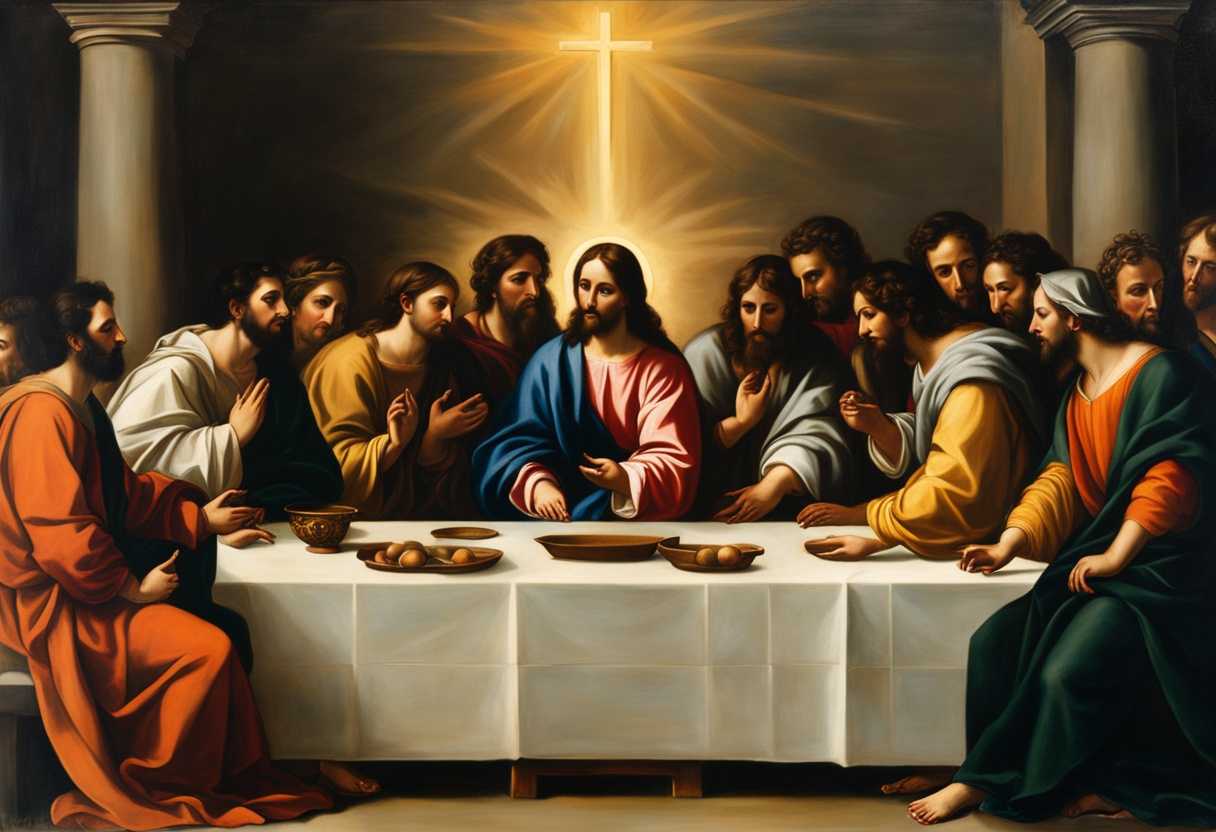
In Matthew chapter 11, we find Jesus and his disciples in the region of Galilee. The scene is set in a small village, with dusty roads and simple stone houses lining the streets. The sun is shining brightly overhead, casting a warm glow on the group as they gather together.
Jesus, the central figure in the scene, is surrounded by his twelve disciples, including Peter, James, and John. They have been traveling together, preaching the good news of the kingdom of God and performing miracles along the way. The disciples are eager to learn from their teacher, watching his every move and listening intently to his words.
As they stand together in the village square, a crowd begins to gather around them. Word has spread of Jesus’ teachings and healings, and people from all walks of life have come to see this remarkable man. Among the crowd are the sick and the needy, hoping for a touch of Jesus’ healing power. The scene is filled with anticipation and wonder as Jesus prepares to minister to those in need, fulfilling the prophecy spoken of in the book of Isaiah.
What is Matthew 11:1-5 about?
This verse highlights the significant role of John the Baptist in preparing the way for Jesus and affirming His identity as the Messiah through signs and wonders. John not only proclaimed Jesus’s coming but also provided tangible proof through the miraculous works he performed. John played a crucial role in paving the way for the ministry and teachings of Jesus by confirming Jesus as the Messiah.
Reflecting on this verse, we can see the intricate plan of God unfolding as He uses individuals like John the Baptist to reveal His redemptive plan for humanity. John’s actions serve as a powerful reminder of the importance of recognizing and embracing God’s messengers and the signs they bring to point us towards the truth. Through John’s confirmation of Jesus as the Messiah, we are reminded of the divine orchestration behind Jesus’s earthly ministry and the fulfillment of prophecies that point to Him as the Savior of the world. Individuals like John the Baptist play a pivotal role in revealing God’s truth to us as we contemplate this verse and consider the significance of the signs and wonders affirming Jesus’s identity. How can we, like John, boldly proclaim and confirm Jesus as the Messiah through our words and actions in our own communities? Let us seek to be vessels of God’s truth and bearers of His light, just as John did, pointing others towards the transformative power and saving grace of Jesus Christ.
Understanding what Matthew 11:1-5 really means
In Matthew 11:1-5, we find a poignant moment where John the Baptist, while in prison, sends his disciples to inquire of Jesus whether He is the awaited Messiah or if they should anticipate another. This interaction between John and Jesus serves as a profound testament to the fulfillment of prophecies and the divine authority of Christ. As Jesus responds to John’s disciples, He points to His miraculous works as evidence of His identity, emphasizing the significance of His healing ministry.
The key phrases in this passage, such as “The blind receive sight, the lame walk,” and “The dead are raised, and the good news is proclaimed to the poor,” underscore the profound impact of Jesus’ miracles. These acts of healing not only demonstrate His divine authority but also symbolize spiritual renewal and the fulfillment of Old Testament prophecies. Through these miraculous deeds, Jesus showcases His compassion and power to bring hope and restoration to those in need.
Drawing parallels to Old Testament prophecies like Isaiah 61:1 and Jesus’ declaration in Luke 4:18-19, we see a continuity in God’s redemptive plan through Christ’s ministry. Jesus invites people to believe in His works as a testimony to His divine mission, as seen in John 10:37-38. This challenges us to reflect on the evidence of Jesus’ works in our lives and to embrace His message of healing and salvation.
The relevance of this passage to contemporary audiences lies in its assurance that Jesus is the promised Messiah who brings hope and healing. In a world marked by suffering and uncertainty, the miracles of Jesus remind us of His power to transform lives and offer redemption. By contemplating these miraculous acts, we are encouraged to trust in Jesus’ identity and mission, finding solace in His promises amidst life’s challenges.
Consider a modern-day scenario where someone facing a dire illness turns to faith and experiences a miraculous healing. This personal transformation mirrors the miracles Jesus performed, reinforcing our belief in His compassion and ability to bring about profound change. Such anecdotes serve as tangible reminders of the enduring relevance of Jesus’ message and the transformative power of faith in our lives today.
In conclusion, Matthew 11:1-5 beckons us to witness the works of Jesus, find hope in His promises, and trust in His identity as the Messiah. Through His miraculous deeds, Jesus continues to offer healing, restoration, and salvation to all who seek Him. As we reflect on these miracles, we are reminded of the enduring impact of Jesus’ ministry and the profound significance of His message in our lives today.
What evidence do we have of God’s presence?
The evidence of God’s presence is seen through the fulfillment of the prophecies in the Old Testament through Jesus. The blind receive sight, the lame walk, those who have leprosy are cleansed, the deaf hear, the dead are raised, and the good news is proclaimed to the poor, just as the prophet Isaiah foretold. These miracles and acts of compassion are signs of God’s presence among His people.
Through these miraculous works, Jesus shows that He is the promised Messiah, bringing healing and restoration to those in need. His actions not only fulfill the prophecies but also reveal God’s love and power at work in the world. Those who witness these miracles are given tangible proof of the reality of God’s presence and the fulfillment of His promises. Jesus demonstrates that He is God in the flesh by fulfilling these prophecies and performing miracles, bringing salvation and restoration to all who believe in Him. These acts are a testament to God’s presence in the world and His active involvement in the lives of His people.
Application
Imagine your life as a busy freeway, full of work deadlines and family commitments. Yet, what if amidst all this, you found a way to be like a rest stop for others, offering comfort and compassion? Jesus showed us the way to be a beacon of hope to the broken-hearted and marginalized. How can you create those moments of kindness and support in your daily hustle? Are you ready to make a difference in someone’s life today?

Reverend Michael Johnson is an experienced Church Minister with a profound expertise in spirituality and guidance. With a serene presence and a compassionate heart, he has faithfully served his congregation for over 20 years, leading them on a spiritual journey towards inner peace and enlightenment. Reverend Johnson’s extensive knowledge of religious philosophies and profound understanding of human nature have made him a trusted confidant and mentor to many, as he seamlessly weaves his profound wisdom into life teachings. Reverend Johnson’s calming demeanor and empathetic nature continue to uplift and heal souls, nurturing a sense of unity and tranquility within his community.