
Matthew 11:2-6 is about John the Baptist questioning Jesus from prison, seeking confirmation that He is the Messiah through signs and wonders, and Jesus responding by referring to the fulfillment of prophecies as evidence of His identity as the long-awaited Savior.
2 Now when John heard in prison about the deeds of the Christ, he sent word by his disciples
3 and said to him, “Are you the one who is to come, or shall we look for another?”
4 And Jesus answered them, “Go and tell John what you hear and see:
5 the blind receive their sight and the lame walk, lepers are cleansed and the deaf hear, and the dead are raised up, and the poor have good news preached to them.
6 And blessed is the one who is not offended by me.”
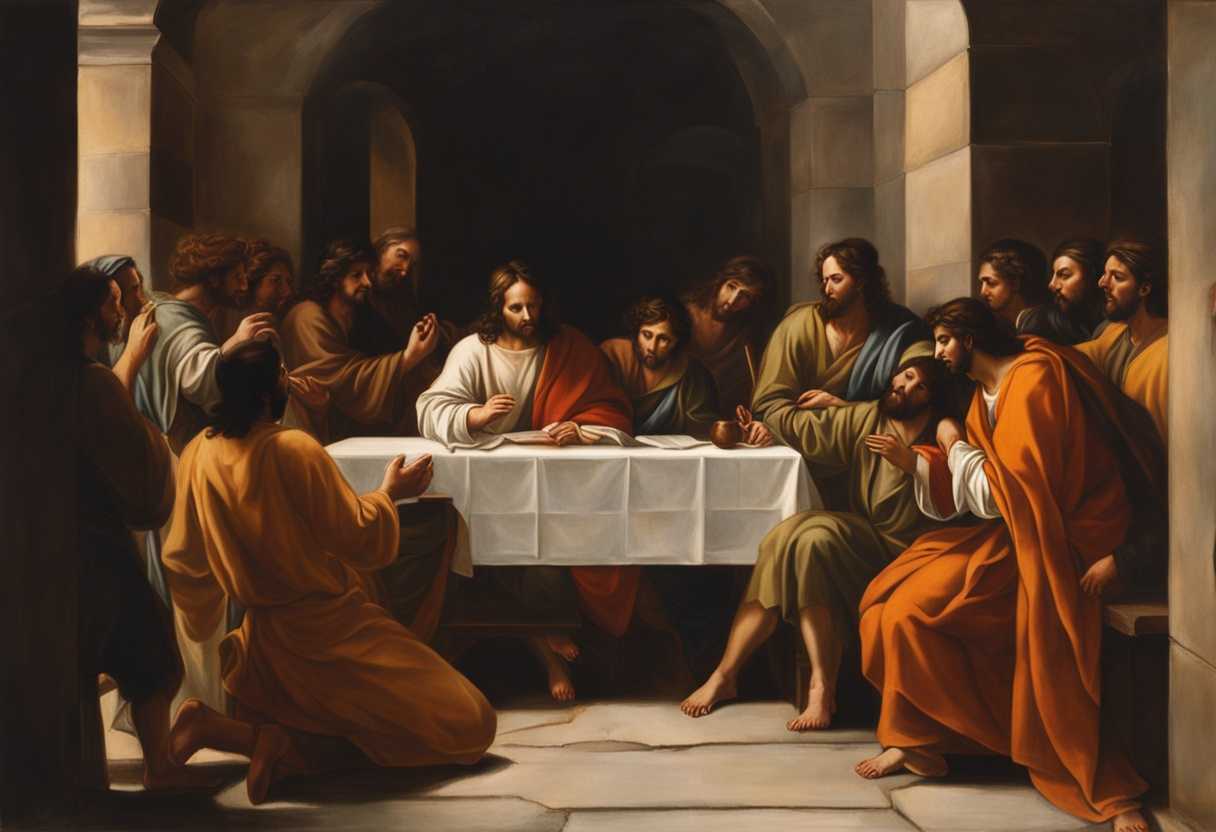
Setting the Scene for Matthew 11:2-6
In Matthew chapter 11, we find John the Baptist in prison, sending his disciples to Jesus to inquire if He is the Messiah they have been waiting for. John, known for his boldness and unwavering faith, finds himself in a dark and damp cell, a stark contrast to the wilderness where he once preached repentance and baptized many. His disciples, loyal and concerned for their teacher, make their way to Jesus to seek answers on John’s behalf.
Meanwhile, Jesus is in the midst of His ministry, healing the sick, preaching the good news, and performing miracles. As John’s disciples approach Him with their question, Jesus responds with compassion and reassurance, pointing to the evidence of His works as a confirmation of His identity as the long-awaited Messiah. The scene is filled with tension and anticipation as John’s followers await Jesus’ response, hoping for a message of hope and deliverance for their imprisoned leader.
What is Matthew 11:2-6 about?
This verse highlights a pivotal moment in the interactions between John the Baptist and Jesus. John, who had been preparing the way for the coming of the Messiah, finds himself in a moment of doubt or uncertainty. He sends his disciples to ask Jesus if He is indeed the one they had been waiting for, or if they should expect someone else. This question reflects the natural human tendency to seek validation and confirmation, especially in matters as profound as faith and the fulfillment of prophecies.
Jesus’ response to John’s inquiry is powerful and significant. Instead of directly answering with words, Jesus demonstrates His identity through actions – performing miracles that fulfill the messianic prophecies. Through this response, Jesus not only confirms His identity as the long-awaited Messiah but also invites John and his followers, and us, to witness and experience the transformative power of His divine presence. This exchange between John and Jesus serves as a profound reminder of the importance of faith, patience, and discernment in recognizing and embracing the truth in our lives. It invites us to reflect on how we seek confirmation of our beliefs and how we respond to moments of uncertainty or doubt in our journeys of faith.
Understanding what Matthew 11:2-6 really means
John the Baptist, a prominent figure in the Gospels, finds himself in a challenging situation, imprisoned and uncertain about Jesus’ identity as the Messiah. In a display of humility and honesty, he sends his disciples to inquire of Jesus, “Are you the one who is to come, or should we expect someone else?” This moment of doubt from a respected prophet highlights the human struggle with faith, even among those closest to God’s work.
Jesus responds to John’s disciples by pointing to the tangible evidence of His ministry: “The blind receive sight, the lame walk, the lepers are cleansed, the deaf hear, the dead are raised, and the good news is proclaimed to the poor.” These miraculous acts not only fulfill prophecies about the Messiah but also reveal Jesus’ divine authority and compassion. Through these deeds, Jesus demonstrates that He is indeed the promised one who brings healing and restoration to a broken world.
The phrase “Blessed is anyone who does not stumble on account of me” acknowledges the potential challenges in accepting Jesus’ identity and teachings. It serves as a reminder that faith may require us to navigate uncertainties and difficulties, but there is a blessing for those who trust in Him despite the obstacles. This message resonates with believers today, encouraging them to persevere in their faith even when faced with doubts or opposition.
The passage also emphasizes Jesus’ mission to bring hope and salvation to the marginalized and oppressed. By proclaiming good news to the poor, Jesus reveals the inclusive nature of the Gospel, where God’s love and grace are extended to all, regardless of social status or background. This message of inclusivity and compassion remains relevant in today’s world, reminding us of the universal reach of God’s redemptive work.
In a modern context, the story of a person finding hope and healing through a community outreach program mirrors the miracles of Jesus. Just as Jesus’ works brought physical and spiritual restoration to those in need, contemporary acts of kindness and support can serve as a testament to His ongoing work in the world. This anecdote illustrates the enduring impact of Jesus’ ministry and the transformative power of faith in action.
In conclusion, the passage from Matthew 11:2-6 invites believers to reflect on the evidence of Jesus’ works and to trust in His identity as the promised Messiah. It reassures us that even in moments of uncertainty and doubt, Jesus remains the source of healing, hope, and good news for all. As we navigate our own faith journeys, may we find comfort in the enduring message of Jesus’ ministry and the inclusive love He extends to each one of us.
Is Jesus truly the one we have been waiting for?
John the Baptist sends some of his disciples to Jesus in the passage to ask if He is the one they have been waiting for or if they should expect someone else. Jesus tells them to go back and report what they have seen and heard in response: the blind receive their sight, the lame walk, those with leprosy are cleansed, the deaf hear, the dead are raised, and the good news is proclaimed to the poor. Through these actions and miracles, Jesus is showing that He is indeed the fulfillment of the long-awaited Messiah.
Jesus is the one who brings healing and restoration to those in need. He demonstrates His authority and power through His works, displaying that He is the promised Savior. The fulfillment of these prophecies and the miraculous deeds affirm that Jesus is the awaited Messiah, bringing hope and deliverance to the world.
Application
Think of John the Baptist as someone facing a tough project at work or a challenge with family. He needed confirmation, just like we sometimes do. In Matthew 11:2-6, he looked to Jesus for answers. Can you lean on faith during your own moments of doubt? Trust in the Lord and let His works be your guide. Will you look to Him for strength and clarity in every part of your life?

Reverend Michael Johnson is an experienced Church Minister with a profound expertise in spirituality and guidance. With a serene presence and a compassionate heart, he has faithfully served his congregation for over 20 years, leading them on a spiritual journey towards inner peace and enlightenment. Reverend Johnson’s extensive knowledge of religious philosophies and profound understanding of human nature have made him a trusted confidant and mentor to many, as he seamlessly weaves his profound wisdom into life teachings. Reverend Johnson’s calming demeanor and empathetic nature continue to uplift and heal souls, nurturing a sense of unity and tranquility within his community.