
Matthew 11:4-6 is about Jesus confirming to John the Baptist that He is the Messiah by pointing to the fulfillment of prophecies through His actions of healing and preaching, assuring those who believe in Him will not be shaken in their faith despite any doubt or stumbling blocks.
4 And Jesus answered them, “Go and tell John what you hear and see:
5 the blind receive their sight and the lame walk, lepers are cleansed and the deaf hear, and the dead are raised up, and the poor have good news preached to them.
6 And blessed is the one who is not offended by me.”
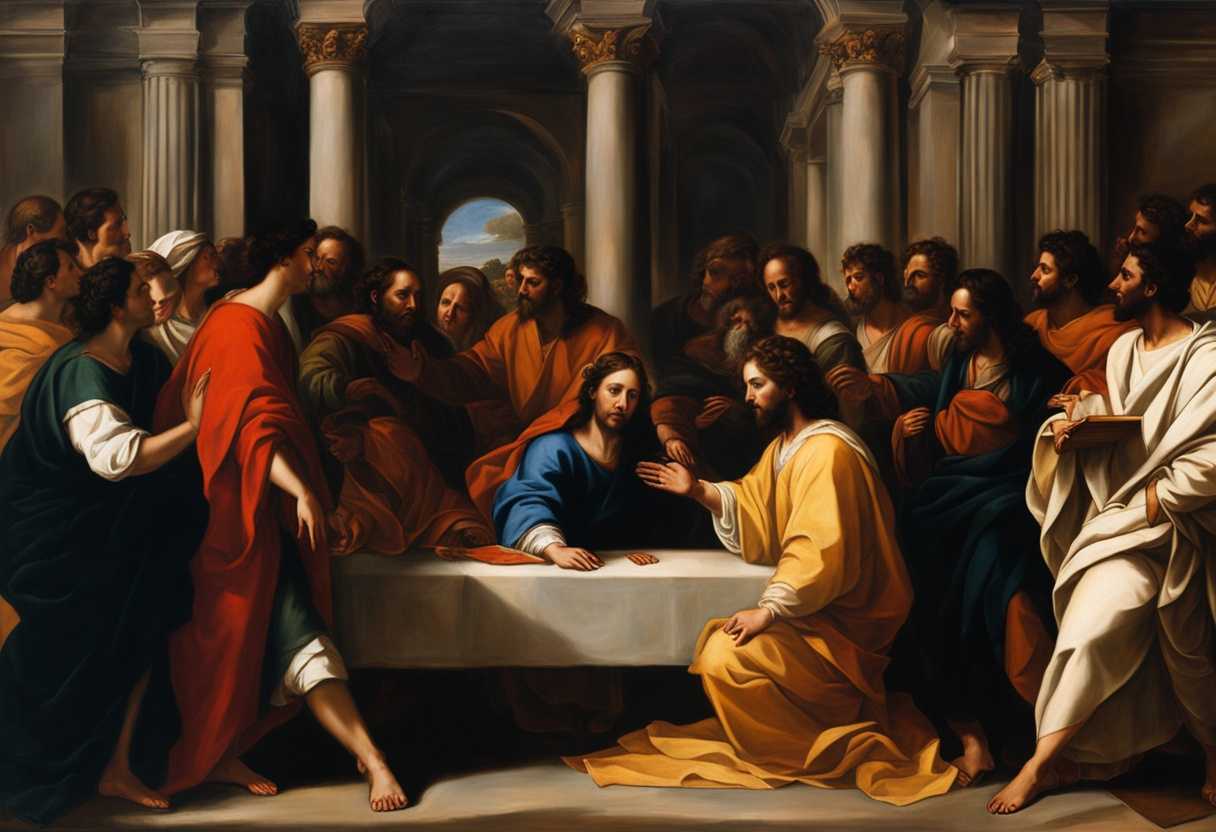
Setting the Scene for Matthew 11:4-6
In Matthew chapter 11, we find Jesus in the region of Galilee, surrounded by a crowd of people who have come to hear His teachings and witness His miracles. Among the crowd are His disciples, who have been following Him closely and learning from His wisdom and compassion. The scene is set in a picturesque countryside, with rolling hills and the Sea of Galilee in the distance, providing a serene backdrop to the profound teachings that are about to take place.
As Jesus stands before the crowd, a sense of anticipation fills the air. The people are eager to hear His words and witness His divine power. The disciples, who have witnessed countless miracles and acts of kindness from their beloved teacher, stand by His side, ready to assist Him in any way they can. In this moment, Jesus is not just a teacher or a healer; He is a beacon of hope and light in a world filled with darkness and despair.
As the scene unfolds, Jesus begins to speak, sharing words of comfort and reassurance with the crowd. He speaks of faith, love, and the kingdom of heaven, offering solace to those who are burdened and weary. The disciples listen intently, their hearts filled with awe and reverence for the man who has changed their lives forever. In this moment, surrounded by nature and the beauty of creation, Jesus imparts His wisdom and grace to all who are willing to listen and believe.
What is Matthew 11:4-6 about?
Jesus is demonstrating His divinity and confirming His identity as the Son of God through the miracles He performs in this verse. These miracles are not just magical tricks or displays of power, but rather profound acts of love and compassion that bring hope and faith to those who witness them. Through these miracles, Jesus is showing that He has the power to bring about transformation and restoration in people’s lives, ultimately pointing to His role as the Savior and the fulfillment of God’s promises.
Have you ever witnessed a miracle in your own life or the lives of others? What emotions and thoughts arose from that experience? Jesus performed miracles to strengthen the faith of those who doubted, and His miracles continue to serve as a powerful reminder of His identity and the hope that comes from believing in Him. May these miraculous acts inspire us to deepen our faith and trust in Jesus as we reflect on them, knowing that He is indeed the Son of God who brings light and healing to a world filled with darkness and brokenness.
Understanding what Matthew 11:4-6 really means
In Matthew 11:4-6, we find a pivotal moment where Jesus responds to John the Baptist’s disciples, who inquire about His identity as the Messiah. This exchange is not merely a confirmation for John but serves as a profound revelation of Jesus’ divine nature and mission. Jesus instructs the disciples to relay what they have witnessed and experienced, highlighting the importance of personal testimony in faith. This emphasis on firsthand encounters underscores the authenticity and power of sharing one’s faith journey with others, inviting reflection on the impact of our own encounters with Christ.
The miracles Jesus mentions – restoring sight to the blind, enabling the lame to walk, cleansing lepers, healing the deaf, raising the dead, and preaching good news to the poor – are not merely displays of power but fulfillments of Messianic prophecies. These acts symbolize spiritual enlightenment, compassion, and the restoration of broken lives, showcasing Jesus’ authority over physical and spiritual afflictions. Each miracle serves as a testament to Jesus’ divine nature and His mission to bring hope and healing to all, especially the marginalized and downtrodden.
Drawing parallels to Old Testament prophecies, such as Isaiah 61:1, and Jesus’ own declarations in Luke 4:18-19, we see a seamless connection between His works and the fulfillment of ancient promises. Jesus’ call to believe in Him, either through faith in His words or on account of His miraculous works, challenges us to trust in His identity and mission, even when it defies human expectations. This call to faith resonates through the ages, urging us to look beyond the ordinary and embrace the extraordinary nature of Christ’s ministry.
Today, this passage remains relevant as it prompts believers to seek evidence of God’s work in their lives and communities. It offers a message of hope and healing, reminding us that Jesus’ transformative power is still at work, bringing restoration and renewal to individuals and societies. Furthermore, Jesus’ ministry to the marginalized underscores the importance of inclusivity and compassion, urging us to care for the less fortunate and share the good news with all, regardless of their social status or background.
Consider a modern-day scenario where someone grappling with doubt witnesses acts of kindness, healing, and transformation in their community. These experiences serve as tangible reminders of God’s presence and power, reigniting their faith and trust in the transformative work of Jesus. Just as in biblical times, these miracles continue to inspire and challenge us to witness and share the life-changing power of Christ’s works, fostering a deeper connection to our faith and mission in the world.
How can we trust in God during doubt?
We can trust in God in times of doubt by remembering His track record of faithfulness and provision. We too can look back on our own lives and see how God has been faithful in the past, just as Jesus urged John the Baptist to look at the evidence of His miracles. Reflecting on the ways God has come through for us can help build our trust and confidence in Him, even in the midst of uncertainty.
Additionally, we can trust in God during doubt by seeking His guidance through prayer and scripture. When we are unsure or questioning, turning to God in prayer allows us to express our concerns and listen for His still, small voice guiding us. Reading the Bible can also provide us with reassurance and reminders of God’s promises, strengthening our faith and helping us to navigate through times of doubt. Placing our trust in God ultimately means surrendering our doubts and fears to Him, acknowledging that He is in control and has a plan far beyond our understanding. We can find peace and reassurance in the midst of uncertainty by leaning on His wisdom and goodness, knowing that He is always with us and working all things for our good.
Application
In the hustle and bustle of our fast-paced lives, it’s easy to lose sight of what truly matters. But just like balancing the demands of work and family, nurturing our faith is essential for our well-being. Take a moment today to reflect on the power of belief and the wonders it can bring into your life. Are you ready to embrace the strength that comes from trusting in God’s plan for you, even in the face of uncertainty?

Reverend Michael Johnson is an experienced Church Minister with a profound expertise in spirituality and guidance. With a serene presence and a compassionate heart, he has faithfully served his congregation for over 20 years, leading them on a spiritual journey towards inner peace and enlightenment. Reverend Johnson’s extensive knowledge of religious philosophies and profound understanding of human nature have made him a trusted confidant and mentor to many, as he seamlessly weaves his profound wisdom into life teachings. Reverend Johnson’s calming demeanor and empathetic nature continue to uplift and heal souls, nurturing a sense of unity and tranquility within his community.