
Matthew 16:27-28 is about acknowledging the importance of living a life aligned with God’s will, looking forward to the future coming of the Kingdom of God, where the righteous will be rewarded for their faithfulness.
27 For the Son of Man is going to come with his angels in the glory of his Father, and then he will repay each person according to what he has done.
28 Truly, I say to you, there are some standing here who will not taste death until they see the Son of Man coming in his kingdom.
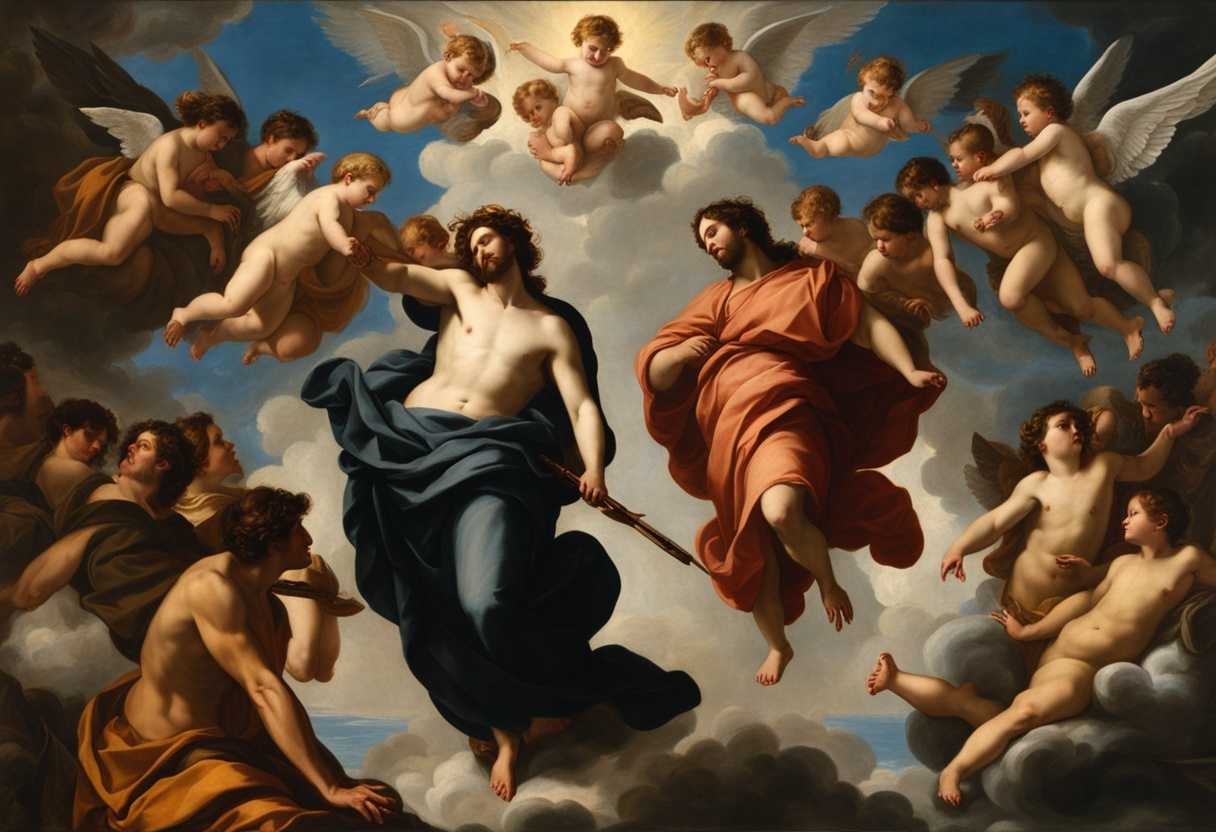
Setting the Scene for Matthew 16:27-28
In Matthew chapter 16, Jesus is with his disciples in the region of Caesarea Philippi. The scene is set against the backdrop of a rocky landscape, with the majestic Mount Hermon looming in the distance. The disciples are gathered around Jesus, listening intently as he imparts teachings and wisdom to them.
Among the disciples present are Peter, James, and John, who have been with Jesus throughout his ministry. They have witnessed his miracles, heard his parables, and seen the compassion and power with which he ministers to the people. As they sit with Jesus in this tranquil setting, the disciples are filled with a sense of awe and reverence for their teacher and friend.
It is in this serene moment that Jesus poses a question to his disciples, asking them, “Who do people say the Son of Man is?” This question sets the stage for Peter’s profound declaration that Jesus is the Messiah, the Son of the living God. This pivotal moment marks a turning point in the disciples’ understanding of Jesus’ identity and mission, setting the stage for the events that will unfold in the chapters to come.
What is Matthew 16:27-28 about?
This verse speaks to the belief in many Christian traditions that Jesus Christ will return in the future in a glorious manner to judge the living and the dead. This event, often referred to as the Second Coming, is seen as a time of ultimate divine judgment and the fulfillment of God’s plan for the world. The idea that some individuals will witness this event before they die suggests a sense of urgency and the need to be spiritually prepared for Christ’s return.
Imagine being among those who will witness the return of Jesus Christ in all his glory. What an awe-inspiring and profound moment that would be, to see the fulfillment of ancient prophecies and the ultimate triumph of good over evil. This verse serves as a reminder of the importance of living a life in accordance with Christian teachings, staying true to one’s faith, and being ready for the final judgment when Christ returns. It urges believers to be vigilant and faithful, knowing that one day they may witness the return of their Lord and Savior.
Understanding what Matthew 16:27-28 really means
In Matthew 16:27-28, Jesus speaks to His disciples about the cost of discipleship and the coming of the Kingdom of God. It is crucial to understand this verse within the broader narrative of the Gospel of Matthew, where Jesus frequently teaches about the Kingdom of God and the expectations for His followers. The key phrases in these verses highlight important theological concepts. When Jesus says, “For the Son of Man is going to come in his Father’s glory with his angels,” He emphasizes His divine authority and the majestic return He will make, accompanied by heavenly beings. The following phrase, “And then he will reward each person according to what they have done,” underscores the idea of divine justice and individual accountability based on one’s actions.
Moreover, Jesus’ statement, “Truly I tell you, some who are standing here will not taste death before they see the Son of Man coming in his kingdom,” has sparked various interpretations. This could refer to the transfiguration, the resurrection, or the outpouring of the Holy Spirit at Pentecost, where the disciples witnessed a glimpse of Jesus’ glory and power. Related passages like Revelation 22:12 and 2 Corinthians 5:10 further emphasize the themes of Jesus’ return, judgment, and the reward or consequences for one’s deeds. The account of the Transfiguration in Matthew 17:1-9 serves as a fulfillment of Jesus’ promise that some disciples would witness His kingdom before experiencing death.
The relevance of these verses to people today is profound. The assurance of Jesus’ return and the concept of divine justice offer hope and motivation for living a life aligned with God’s will. Understanding that we will be held accountable for our actions reminds us of the eternal significance of our choices. This biblical teaching encourages believers to adopt an eternal perspective, prioritizing spiritual growth and service to others. Just as a gardener diligently tends to seeds, anticipating a future harvest, our actions in this life are like seeds sown for eternity. We can eagerly await the rewards of our faithfulness when Jesus returns, knowing that our efforts in His name will bear fruit.
In conclusion, Matthew 16:27-28 underscores the certainty of Jesus’ return, the reality of divine justice, and the importance of living out our faith in tangible ways. As readers reflect on these truths, they are encouraged to consider how they can honor God in their daily lives and actively prepare for the coming of His kingdom. Let us strive to live with a sense of purpose and dedication, knowing that our actions today have eternal implications and that our hope rests in the promise of Christ’s glorious return.
How can we prioritize eternal over temporal pursuits?
One way to prioritize eternal over temporary pursuits is by focusing on the bigger picture of our lives. When we understand that our actions and decisions have implications beyond this earthly life, we are more likely to invest in things that have lasting significance. We can make choices that align with our ultimate goals of seeking God’s kingdom and righteousness by keeping our eyes on eternity.
Another way to prioritize eternal pursuits is by seeking to store up treasures in heaven rather than on earth. This means valuing spiritual growth, acts of kindness, and relationships that have eternal value over material possessions or fleeting pleasures. We can shift our focus from earthly desires to heavenly priorities by recognizing that our time on earth is temporary and that true fulfillment comes from serving God and others. A shift in mindset and orientation towards the things of God ultimately requires prioritizing eternal pursuits. This may involve regularly evaluating our priorities, seeking wisdom from Scripture, and staying connected to God through prayer and worship. We can live in a way that reflects our belief in the eternal significance of our actions by consciously choosing to invest in our relationship with God and in serving others.
Application
Imagine your life as a performance review at work. Every choice you make adds a line to your report. Matthew 16:27-28 reminds us our actions today impact our review with Christ. Reflect your faith through your actions—shine your light in your family and workplace. Are you ready for the ultimate evaluation?

Reverend Michael Johnson is an experienced Church Minister with a profound expertise in spirituality and guidance. With a serene presence and a compassionate heart, he has faithfully served his congregation for over 20 years, leading them on a spiritual journey towards inner peace and enlightenment. Reverend Johnson’s extensive knowledge of religious philosophies and profound understanding of human nature have made him a trusted confidant and mentor to many, as he seamlessly weaves his profound wisdom into life teachings. Reverend Johnson’s calming demeanor and empathetic nature continue to uplift and heal souls, nurturing a sense of unity and tranquility within his community.