
Matthew 17:11 is about the prophecy of the coming of Elijah who will restore all things before the arrival of the Messiah.
11 He answered, “Elijah does come, and he will restore all things.
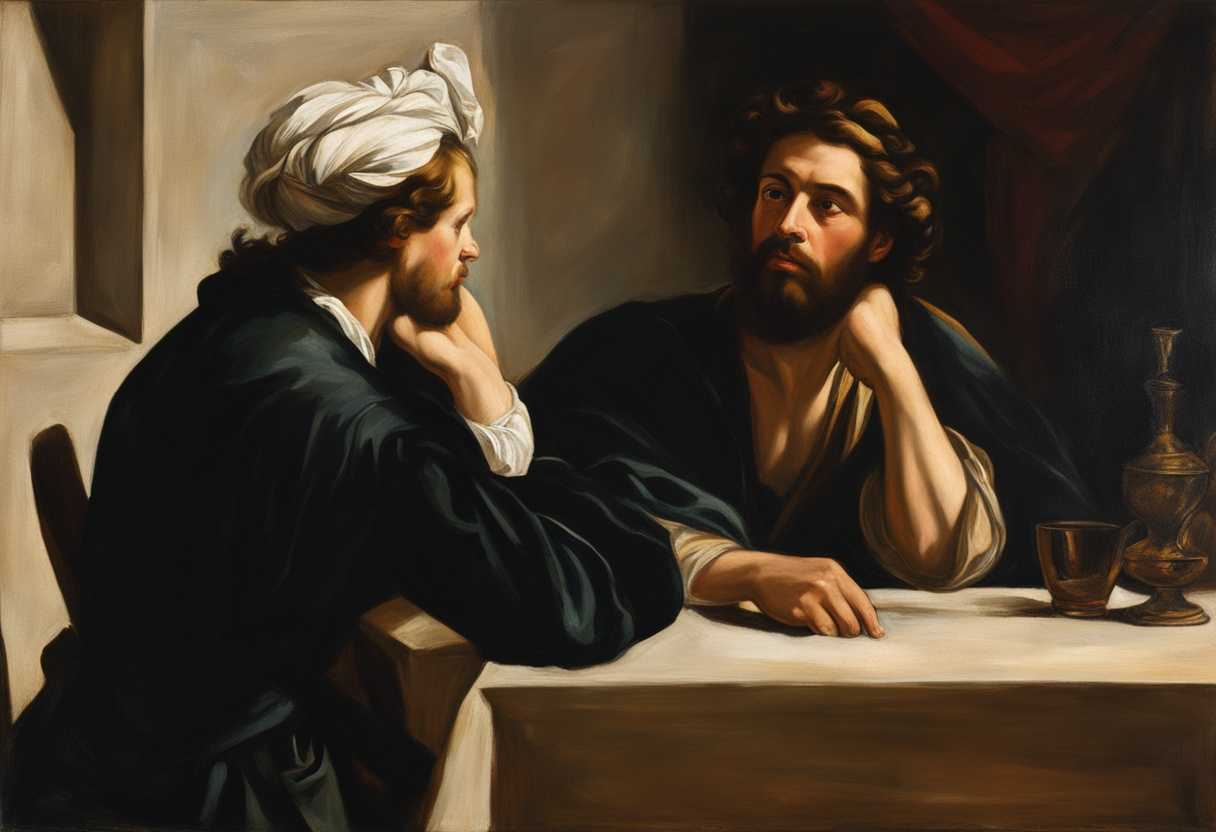
Setting the Scene for Matthew 17:11
In Matthew chapter 17, we find Jesus on a mountain with three of his disciples: Peter, James, and John. The scene is set on a high mountain, likely Mount Hermon or Mount Tabor, with a breathtaking view of the surrounding landscape. The disciples are with Jesus as they often accompany him on important occasions.
As they are on the mountain, suddenly, Jesus is transfigured before them. His face shines like the sun, and his clothes become as white as light. This moment is known as the Transfiguration of Jesus. Alongside Jesus appear Moses and Elijah, representing the Law and the Prophets. Peter, in awe and reverence, suggests building shelters for Jesus, Moses, and Elijah.
The disciples are in a state of wonder and amazement at this divine revelation. This event serves as a pivotal moment in the Gospels, affirming Jesus’ identity as the Son of God and the fulfillment of the Law and the Prophets. The scene on the mountain is a powerful display of Jesus’ glory and a foretaste of the kingdom of God.
What is Matthew 17:11 about?
This verse refers to the prophecy that Elijah will come before the Second Coming of Jesus Christ to restore all things. Elijah was a powerful prophet in the Old Testament who performed miracles and spoke the word of God fearlessly. The coming of Elijah before the Second Coming of Jesus signifies a time of restoration and preparation for the final judgment. It underscores the importance of repentance, reconciliation, and spiritual renewal before the ultimate return of Christ.
This verse prompts us to reflect on the state of our own hearts and the world around us. Are we living in a way that aligns with God’s will? Are we actively participating in the restoration of all things by spreading love, kindness, and justice? The idea of Elijah coming to restore all things before Christ’s return serves as a call to action for us to be vigilant in our faith, to seek reconciliation with God and others, and to actively work towards a world that reflects God’s kingdom. It reminds us of the ultimate hope we have in the Second Coming of Jesus and the promise of restoration and renewal that it brings.
Understanding what Matthew 17:11 really means
In Matthew 17:11, we find Jesus speaking to His disciples about the coming of Elijah. This conversation takes place right after the Transfiguration, where Jesus revealed His divine glory to Peter, James, and John. The mention of Elijah is significant as it ties into the prophecy from Malachi 4:5-6, which foretold Elijah’s return before the “great and dreadful day of the Lord.” This prophecy points to a crucial role that Elijah would play in preparing the way for the Messiah.
“Elijah does come” signifies the fulfillment of this prophecy, indicating that Elijah’s return is not a matter of if, but when. The phrase “restore all things” suggests a process of spiritual renewal and preparation for the coming of the Messiah. This restoration encompasses a turning of hearts and a reconciliation of relationships, aligning with the themes of repentance and redemption found throughout the Bible.
In Malachi 4:5-6, we see the prophecy of Elijah turning the hearts of the fathers to their children and vice versa, emphasizing the importance of reconciliation and unity within families and communities. In Matthew 11:14, Jesus identifies John the Baptist as the Elijah who was to come, highlighting the continuity of God’s plan across generations. Additionally, in Luke 1:17, the angel Gabriel foretells John the Baptist’s role in preparing the way for the Lord in the spirit and power of Elijah.
The relevance of this verse to us today lies in the call to spiritual preparation and restoration. Just as Elijah and John the Baptist were tasked with preparing the people for the coming of the Messiah, we are called to ready our hearts for the return of Christ. The concept of restoring all things extends beyond individual repentance to communal renewal, emphasizing the importance of reconciliation and unity within the body of believers.
Consider a scenario where a community has strayed from its foundational values. A leader emerges, echoing the spirit of Elijah, calling for a return to those core principles. Through their efforts, relationships are healed, and the community experiences a revival of purpose. This narrative mirrors the spiritual restoration that Elijah and John the Baptist were commissioned to initiate, illustrating the transformative power of repentance and reconciliation.
In conclusion, Matthew 17:11 serves as a reminder of the ongoing need for spiritual readiness and restoration in our lives. It prompts us to be proactive in our faith, preparing ourselves and our communities for the fulfillment of God’s promises. Just as Elijah and John the Baptist paved the way for Jesus, may we also be instruments of reconciliation and renewal in a world longing for the hope and healing that only Christ can bring.
How can we understand the prophecy of Elijah’s return?
The prophecy of Elijah’s return can be understood in the context of the Jewish belief that Elijah, a prominent prophet, would herald the coming of the Messiah. Jesus confirms in this verse that Elijah is indeed coming to restore all things. This indicates that Elijah’s return is tied to the fulfillment of prophecies and the restoration of God’s plan for His people.
The mention of Elijah’s return can also be seen as a sign of the continuity between the Old Testament prophetic tradition and the arrival of Jesus as the long-awaited Messiah. Jesus affirms the interconnectedness of God’s redemptive plan throughout history by acknowledging Elijah’s role in preparing the way for the Messiah. The prophecy of Elijah’s return in Matthew 17:11 emphasizes the importance of spiritual restoration and the fulfillment of God’s promises. It points to the belief that God is working throughout history to bring about redemption and reconciliation, ultimately culminating in the arrival of the Messiah.
Application
Think of your heart as a workspace. Just as you organize your desk and prioritize tasks, prepare your heart for the Lord. Dig into spiritual growth like you invest in your career or family. Strengthen your bond with God, like you nurture relationships that matter. Ready yourself to meet the Lord with a committed and eager spirit. Are you prepared for this ultimate meeting?

Reverend Michael Johnson is an experienced Church Minister with a profound expertise in spirituality and guidance. With a serene presence and a compassionate heart, he has faithfully served his congregation for over 20 years, leading them on a spiritual journey towards inner peace and enlightenment. Reverend Johnson’s extensive knowledge of religious philosophies and profound understanding of human nature have made him a trusted confidant and mentor to many, as he seamlessly weaves his profound wisdom into life teachings. Reverend Johnson’s calming demeanor and empathetic nature continue to uplift and heal souls, nurturing a sense of unity and tranquility within his community.