
Matthew 19:10-12 is about Jesus explaining that there are some who choose to remain single and celibate for the sake of the kingdom of heaven, as this path allows for a more focused and undivided devotion to God.
10 The disciples said to him, “If such is the case of a man with his wife, it is better not to marry.”
11 But he said to them, “Not everyone can receive this saying, but only those to whom it is given.
12 For there are eunuchs who have been so from birth, and there are eunuchs who have been made eunuchs by men, and there are eunuchs who have made themselves eunuchs for the sake of the kingdom of heaven. Let the one who is able to receive this receive it.”
Setting the Scene for Matthew 19:10-12
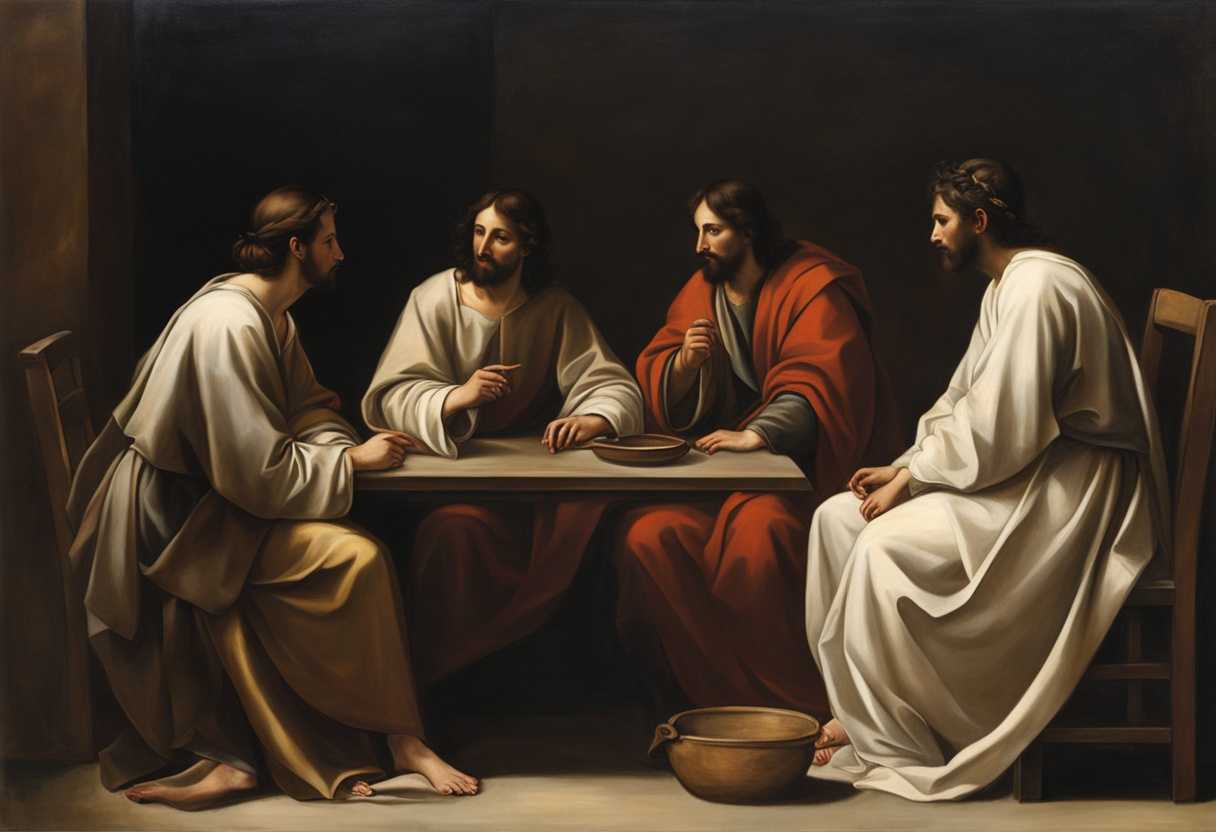
In Matthew chapter 19, we find Jesus teaching a crowd of people in the region of Judea beyond the Jordan. Among the crowd are His disciples, who have been following Him closely and learning from His teachings and miracles. As Jesus speaks about marriage and divorce, His disciples are struck by His teachings, which challenge the cultural norms of the time.
The disciples, including Peter, James, John, and the others, are gathered around Jesus, listening intently as He imparts wisdom about the sanctity of marriage. They are surrounded by the picturesque landscape of the Jordan River, with its lush greenery and serene waters providing a peaceful backdrop to their discussion. The disciples are grappling with the radical idea that it may be better not to marry at all, a concept that goes against the prevailing beliefs of their society.
As the disciples engage in deep conversation with Jesus, they are filled with a mixture of awe and confusion at His teachings. They are witnessing firsthand the profound wisdom and compassion of their teacher, who challenges them to think beyond the conventional wisdom of their time. The scene is one of contemplation and introspection, as the disciples ponder the implications of Jesus’ words on their own lives and beliefs.
What is Matthew 19:10-12 about?
Jesus is highlighting the concept of celibacy and the choice to remain unmarried for the sake of the kingdom of heaven in this verse. He mentions eunuchs, who traditionally were men who were castrated and often served in royal courts. However, Jesus is using the term metaphorically here to refer to those who willingly abstain from marriage for spiritual reasons. This could include dedicating their lives entirely to God’s work and service, without the distractions or responsibilities that come with marriage and family life.
Jesus is emphasizing the importance of commitment to God above all else. He is calling for a radical dedication to the kingdom of heaven, where one’s focus is solely on spiritual growth and service. Jesus challenges his followers by highlighting the choice of celibacy as a way to fully devote oneself to God, encouraging them to consider their priorities and the extent of their commitment to their faith.
Reflect on your own values and priorities. How does this verse challenge your understanding of dedication to your faith? Are there areas in your life where you could deepen your commitment to serving God’s kingdom? Consider the sacrifices and rewards that a life of celibacy and wholehearted devotion to God entails. This verse invites us to ponder the depths of our faith and the ways in which we can align our lives more closely with the teachings of Jesus.
Understanding what Matthew 19:10-12 really means
In Matthew 19:10-12, we find Jesus engaging in a dialogue with His disciples about marriage, divorce, and celibacy. The disciples, taken aback by Jesus’ stringent teachings on marriage, suggest that perhaps it is better not to marry at all. Jesus responds by acknowledging that celibacy is a unique calling, not meant for everyone. He emphasizes that not everyone can accept this way of life, but only those to whom it has been given as a special gift from God.
Jesus further elaborates on the different reasons for celibacy, categorizing them into three groups: those who are naturally celibate, those who have been made celibate by external forces, and those who choose celibacy for the sake of the kingdom of heaven. This classification underscores the diversity of paths in life and the validity of each individual’s journey. Jesus concludes by inviting those who can accept this calling to embrace it wholeheartedly, highlighting the importance of personal discernment and acceptance of one’s unique vocation.
This passage resonates with other biblical teachings, such as Paul’s discussion in 1 Corinthians 7:7-9 about the gift of celibacy and marriage. It also finds parallels in Isaiah 56:3-5, where God promises blessings to eunuchs who keep His covenant, affirming the honor bestowed upon those who choose celibacy for the kingdom. Additionally, in Matthew 22:30, Jesus speaks about the nature of relationships in the kingdom of heaven, where marriage as we know it will not exist, pointing towards a different kind of relational existence.
In today’s world, where societal norms often prioritize romantic relationships and marriage, this passage serves as a reminder that celibacy is a valid and honorable path. It encourages individuals to seek and embrace their unique calling, whether it aligns with marriage, celibacy, or another vocation. This teaching can offer solace to those who feel pressured by society to conform to certain expectations, reassuring them that following God’s plan for their lives is the ultimate fulfillment.
Consider the story of Sarah, a young woman who faced societal pressure to marry but found peace and purpose in her single life. Reading this passage, she realized that her calling to celibacy was a gift from God, affirming her decision and allowing her to live with greater joy and clarity. Sarah’s experience illustrates how embracing one’s unique calling can lead to a deeper sense of fulfillment and alignment with God’s will.
In conclusion, Matthew 19:10-12 challenges us to honor the diverse callings God places on our lives, urging us to find fulfillment in His will, whether that leads us to marriage, celibacy, or another path. It reminds us that our worth and purpose are rooted in our relationship with God and our obedience to His unique calling for each of us.
What is the significance of choosing celibacy for God?
Jesus discusses the concept of celibacy in Matthew 19:10-12, stating that some people choose to remain unmarried for the sake of the kingdom of heaven. Individuals who choose celibacy are able to fully devote themselves to serving God without the distractions of a spouse or family. This decision signifies a deep commitment to God and a willingness to prioritize spiritual matters above earthly relationships.
Celibacy in this context symbolizes a radical renunciation of worldly desires and attachments in order to focus entirely on one’s relationship with God. It shows a willingness to sacrifice personal fulfillment in romantic relationships for the sake of a deeper spiritual connection. Through celibacy, individuals demonstrate their desire to lead a life dedicated solely to God’s will, free from the responsibilities and distractions that come with marriage and family life. Choosing celibacy for the kingdom of heaven ultimately demonstrates a profound level of faith and devotion to God. It is a way of expressing total surrender to God’s plan and a willingness to follow Him wholeheartedly, even if it means foregoing the typical desires and expectations of society. Celibacy in this context becomes a powerful symbol of commitment and obedience to God’s calling in one’s life.
Application
Think of your faith like building a career or nurturing a family. Just as you strive for excellence at work or pour love into your family, God calls you to a radical kind of discipleship. Matthew 19:10-12 pushes us to master self-control, purity, and commitment. What if God is asking you to embrace celibacy to focus entirely on His kingdom? Will you take up this challenge, showcasing the same dedication and sacrifice you give to everything else important in your life? How will you choose to respond?

Reverend Michael Johnson is an experienced Church Minister with a profound expertise in spirituality and guidance. With a serene presence and a compassionate heart, he has faithfully served his congregation for over 20 years, leading them on a spiritual journey towards inner peace and enlightenment. Reverend Johnson’s extensive knowledge of religious philosophies and profound understanding of human nature have made him a trusted confidant and mentor to many, as he seamlessly weaves his profound wisdom into life teachings. Reverend Johnson’s calming demeanor and empathetic nature continue to uplift and heal souls, nurturing a sense of unity and tranquility within his community.