
Matthew 20:22 is about Jesus calling his disciples to endure suffering and persecution for the sake of following Him and His kingdom.
22 Jesus answered, “You do not know what you are asking. Are you able to drink the cup that I am to drink?” They said to him, “We are able.”
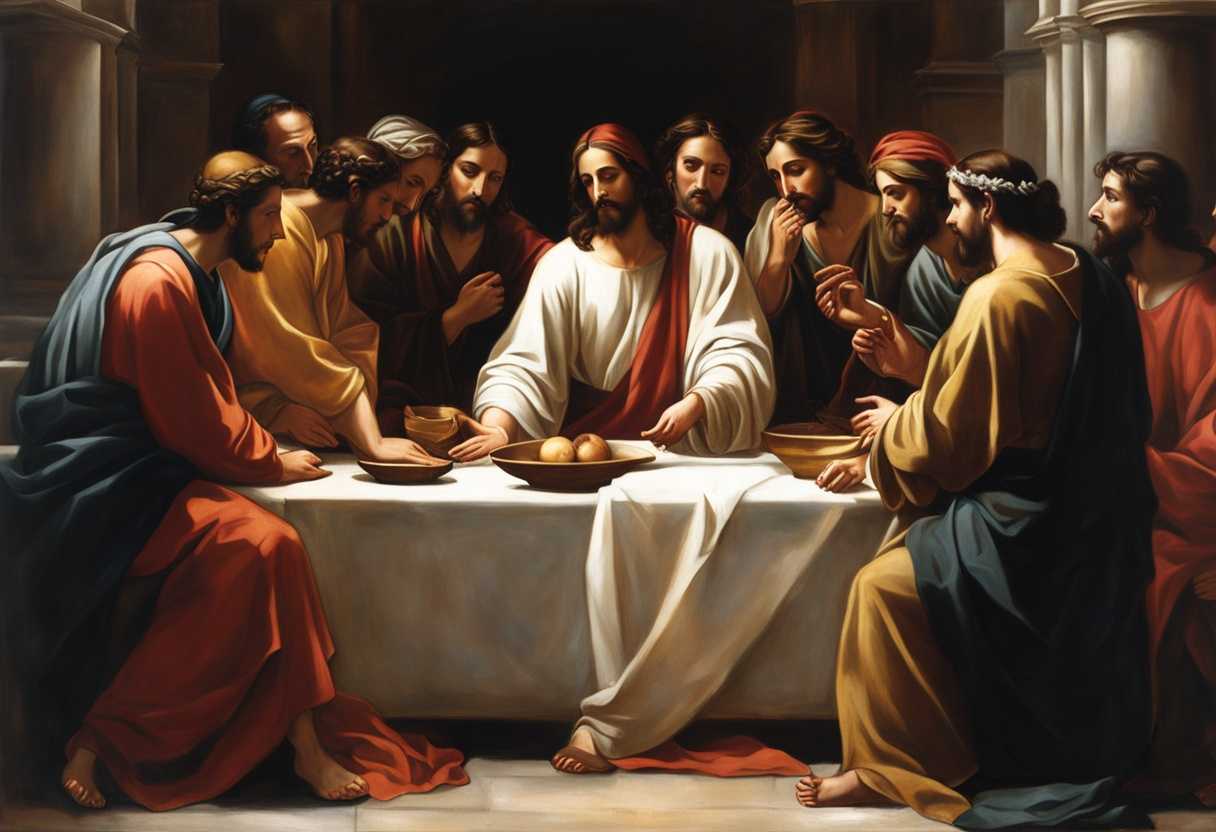
Setting the Scene for Matthew 20:22
In Matthew chapter 20, we find Jesus teaching a parable to his disciples about the kingdom of heaven. The scene is set on a hillside overlooking the Sea of Galilee, with the disciples gathered around Jesus, eager to learn from his teachings. The sun is beginning to set, casting a warm golden light over the group as they sit on the grass, listening intently to Jesus’ words.
Among the disciples present are Peter, James, John, Andrew, and the others who have been following Jesus throughout his ministry. They have come to this place after a long day of traveling and preaching, seeking wisdom and guidance from their beloved teacher. Jesus, with his gentle and compassionate demeanor, imparts valuable lessons about humility, servanthood, and the true nature of greatness in the kingdom of God.
As the disciples ponder Jesus’ words, a sense of awe and reverence fills the air, as they realize the depth of the teachings being shared with them. The scene is one of peace and tranquility, with the sound of gentle waves lapping against the shore below, creating a serene backdrop for this profound moment of spiritual instruction.
What is Matthew 20:22 about?
Imagine a world where everyone puts others before themselves, where humility and service to others are the key values we uphold. This verse from the Bible is a gentle reminder of the importance of humility and service in our lives. Jesus is advocating for a mindset where we do not seek positions of power or authority for the sake of recognition or dominance, but rather focus on how we can serve and uplift others. Jesus challenges us to reflect on our own motives and actions by emphasizing the value of humility and servitude. Are we seeking positions of authority for personal gain or are we genuinely serving others with a humble heart? This verse prompts us to examine our intentions and encourages us to prioritize selfless service over selfish ambitions. It calls for a shift in perspective, emphasizing the beauty and fulfillment that come from serving others with humility and love.
Understanding what Matthew 20:22 really means
In Matthew 20:22, we encounter a poignant moment where Jesus challenges James and John’s understanding of discipleship. The context reveals a request made by the mother of these disciples, seeking positions of honor for her sons in Jesus’ kingdom. However, Jesus redirects the conversation, addressing James and John directly, asking them if they can drink the cup He is about to drink. This metaphorical “cup” symbolizes the suffering and sacrifice that Jesus is about to endure, emphasizing the profound cost of true discipleship.
“You do not know what you are asking,” Jesus tells them, highlighting their misunderstanding of the nature of His mission. This phrase underscores the importance of comprehending the depth of commitment required to follow Christ faithfully. It prompts us to reflect on whether we, too, fully grasp the implications of our decision to walk in His footsteps.
The concept of the “cup” as a symbol of suffering is further reinforced in related passages like Matthew 26:39, where Jesus prays in Gethsemane, submitting to God’s will despite His human desire to avoid the impending suffering. Mark 10:38-39 and John 18:11 also echo this theme, emphasizing the inevitability and necessity of embracing the hardships that come with discipleship. These passages provide a broader context for understanding the significance of Jesus’ question to James and John.
Today, this verse challenges believers to consider the cost of their faith. It prompts us to examine whether we are willing to endure sacrifices and hardships for the sake of following Christ wholeheartedly. True discipleship, as exemplified by Jesus’ own journey, often involves relinquishing personal ambitions and comforts in favor of sharing in His sufferings.
Consider a scenario where a young professional feels a calling to leave a lucrative career and serve in a mission field. Similar to James and John’s situation, this decision may be met with confusion or skepticism from those around them. Yet, their willingness to “drink the cup” of sacrifice and service mirrors the radical call to discipleship that Jesus presents in this verse. It challenges us to evaluate our own readiness to embrace discomfort and challenges in obedience to our faith.
In conclusion, Matthew 20:22 beckons us to introspection and contemplation. It urges us to ponder the depth of our commitment to Christ and the extent to which we are willing to endure hardships for the sake of His mission. Let us heed this call to a deeper understanding of discipleship, recognizing that following Jesus is not about seeking personal glory or power but about embracing the path of sacrificial love and service for His glory.
Can we trust God’s timing over our own desires?
Yes, we can trust God’s timing over our own desires because His timing is perfect and He knows what is best for us. Jesus reminds us in this verse that there may be times when our desires are not in line with God’s will for our lives. He encourages us to trust in God’s sovereign plan and timing, which ultimately leads to our spiritual growth and maturity.
When we surrender our desires to God and align our will with His, we can rest assured that He will work all things together for our good. God’s timing is always perfect, even though it may not always align with our own desires or expectations. We can experience the peace that comes from knowing that He has our best interests at heart by trusting in Him and submitting to His timing.
We may not always understand why things happen the way they do or why we have to wait for certain blessings, but we can have faith that God’s timing is always right. His ways are higher than our ways, and His timing is always for our benefit. So, let us trust in His timing over our own desires and have faith that He is working everything out according to His perfect plan.
Application
Embrace the divine plan laid out for you, just as a diligent worker tackles their tasks with determination. Surrender your doubts and fears, like a loving parent protecting their family. Will you take this chance to trust in God’s timing and commit wholeheartedly to your faith journey, even in the face of adversity and uncertainty?

Reverend Michael Johnson is an experienced Church Minister with a profound expertise in spirituality and guidance. With a serene presence and a compassionate heart, he has faithfully served his congregation for over 20 years, leading them on a spiritual journey towards inner peace and enlightenment. Reverend Johnson’s extensive knowledge of religious philosophies and profound understanding of human nature have made him a trusted confidant and mentor to many, as he seamlessly weaves his profound wisdom into life teachings. Reverend Johnson’s calming demeanor and empathetic nature continue to uplift and heal souls, nurturing a sense of unity and tranquility within his community.