
Sorry, I’ll need the full verse to provide you with a meaningful interpretation.
10 And those servants went out into the roads and gathered all whom they found, both bad and good. So the wedding hall was filled with guests.
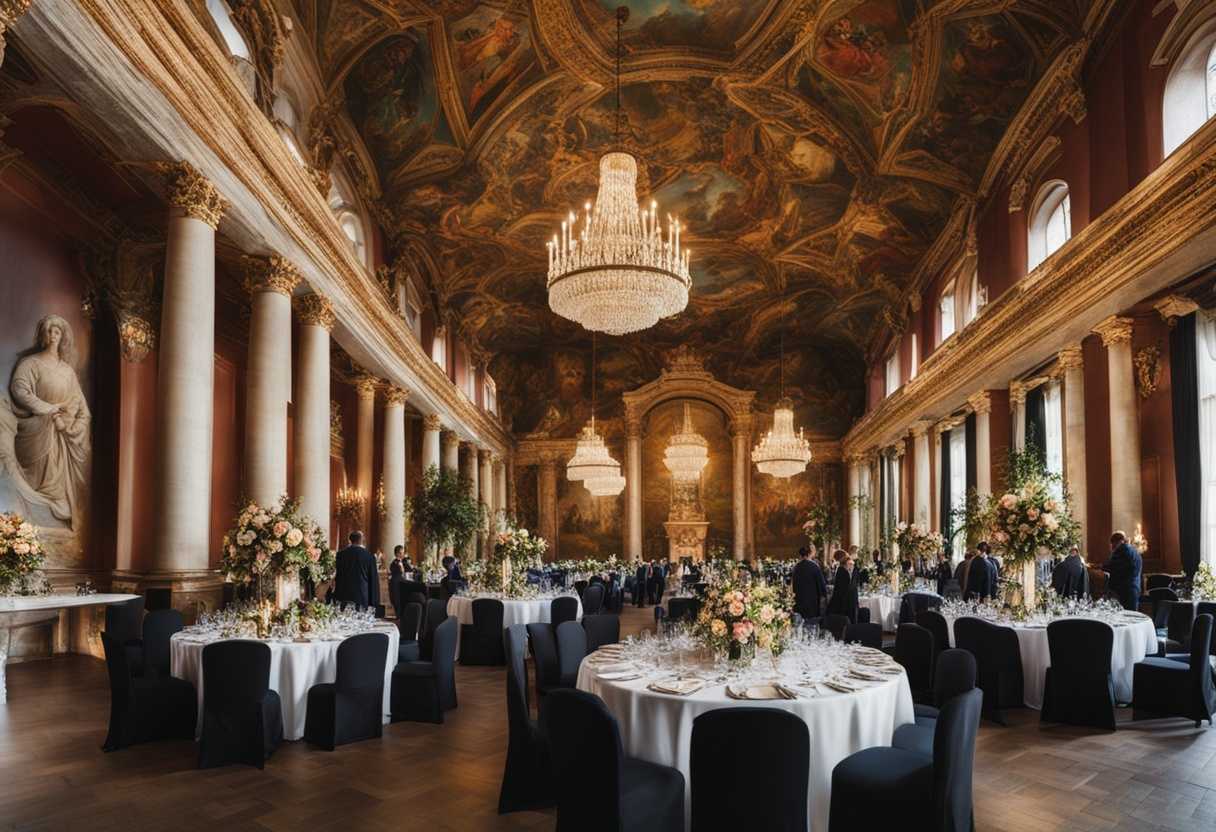
Setting the Scene for Matthew 22:10
In Matthew chapter 22, Jesus tells a parable about a king who prepared a wedding feast for his son. The king sent out his servants to invite guests to the wedding banquet, but they refused to come. In response, the king sent out more servants to invite anyone they could find, both good and bad, to fill the banquet hall. As a result, the wedding hall was filled with guests.
The scene is set in a grand banquet hall adorned with luxurious decorations and filled with tables laden with sumptuous food and drink. The king, representing God, is seated at the head of the table, overseeing the festivities. The guests, a diverse group of people from all walks of life, are joyfully celebrating the union of the king’s son.
The servants who were initially sent out to invite the guests are standing by, witnessing the success of their mission. The atmosphere is one of celebration and joy as the guests partake in the feast and revel in the king’s generosity. This parable serves as a reminder of God’s invitation to all people to partake in the kingdom of heaven, regardless of their background or status.
What is Matthew 22:10 about?
This verse from the Bible, specifically from the book of Matthew, chapter 22, verse 10, conveys a powerful message about the inclusivity and openness of God’s invitation to all people. It teaches us that God’s love and grace are extended to everyone, regardless of their background, status, or past actions. Jesus emphasizes the universal nature of God’s love and the importance of welcoming all into His kingdom by instructing the servants to invite both the good and the bad to the wedding feast. God’s limitless and unconditional love for each and every one of us is reminded to us as we reflect on this verse. It challenges us to examine our own hearts and actions, prompting us to show the same kindness and inclusion to others that God shows to us. This message encourages us to reach out to those who may be marginalized or overlooked, extending a hand of welcome and acceptance to all, just as God does for us. So, as we ponder this verse, let us consider how we can emulate God’s all-encompassing love in our own lives, inviting everyone to experience the joy and abundance of His kingdom.
Understanding what Matthew 22:10 really means
In the Parable of the Wedding Banquet found in Matthew 22:10, Jesus illustrates a powerful message of inclusivity and grace. The king in the parable invites guests to his son’s wedding feast, but when the initial invitees refuse, the invitation is extended to everyone, both good and bad, filling the banquet hall with guests. This narrative highlights the open invitation of God’s kingdom to all, emphasizing that no one is excluded from His love and grace.
A similar sentiment is echoed in Luke 14:21-23, where the master instructs his servant to bring in the marginalized and overlooked to the banquet. This inclusivity is further emphasized in Revelation 19:9, which speaks of the blessedness of those invited to the heavenly banquet. Romans 10:12-13 reinforces this idea by stating that all who call upon the Lord will be saved, regardless of their background or status.
In today’s world, marked by divisions and exclusions, the message of Matthew 22:10 remains relevant. It serves as a poignant reminder of God’s all-encompassing love, which transcends societal norms and welcomes everyone into His kingdom. This verse underscores the concept of grace, emphasizing that our invitation to God’s banquet is not based on our merit but on His mercy and love.
Just as the guests in the parable had to respond to the king’s invitation, we are called to respond to God’s invitation in our lives. The urgency of this response is highlighted, urging us to accept His grace and become part of His kingdom. Imagine a scenario where a diverse group of individuals, including the marginalized and forgotten, are welcomed to a feast. This mirrors the inclusivity and grace depicted in the parable, showcasing the value God places on every individual.
The phrase “both good and bad” in Matthew 22:10 signifies the all-encompassing nature of God’s invitation. It reminds us that His grace extends to all, regardless of their past or present circumstances. When the wedding hall is filled with guests, it symbolizes the abundance and joy found in God’s kingdom, where there is room for everyone who accepts His invitation. This imagery conveys the richness of God’s love and the celebration that comes with being part of His family.
By reflecting on the themes of inclusivity, grace, and urgency present in Matthew 22:10, we are called to embrace God’s love wholeheartedly and extend that same love to others. This verse challenges us to break down barriers, welcome all into the community of faith, and embody the inclusive nature of God’s kingdom. Let us respond to His invitation with gratitude and humility, knowing that in His presence, there is room for everyone who seeks Him.
How can we discern who is worthy of God’s invitation?
Many people are extended the invitation to the feast in the parable of the wedding feast in Matthew 22, but not all are deemed worthy to attend. Those who are considered worthy are the ones who respond to the invitation with humility, gratitude, and a willingness to participate in the celebration. They show respect for the host by accepting the invitation, preparing themselves appropriately, and being eager to partake in the joyous occasion.
Similarly, in our own lives, we can discern who is worthy of God’s invitation by observing how individuals respond to the opportunity to partake in a relationship with Him. Those who are deemed worthy are those who approach God with humility, a grateful heart, and a willingness to follow His teachings. They demonstrate their worthiness by seeking to cultivate a deep relationship with God, honoring His commandments, and actively participating in ways that glorify Him. The condition of one’s heart and their willingness to respond to God’s call with sincerity and devotion ultimately determine their worthiness of God’s invitation, not their status or outward appearances. God invites all to come to Him, but it is up to each individual to choose whether they will accept the invitation and demonstrate their worthiness through their actions and attitudes.
Application
Imagine your life as a vast, bustling city, filled with people rushing about their daily routines. You have the power to invite them into a sanctuary of hope, peace, and joy. Don’t keep this to yourself—share the incredible news of God’s love and grace. Be a beacon in the chaos. Will you step up and extend this life-changing invitation to those around you?

Reverend Michael Johnson is an experienced Church Minister with a profound expertise in spirituality and guidance. With a serene presence and a compassionate heart, he has faithfully served his congregation for over 20 years, leading them on a spiritual journey towards inner peace and enlightenment. Reverend Johnson’s extensive knowledge of religious philosophies and profound understanding of human nature have made him a trusted confidant and mentor to many, as he seamlessly weaves his profound wisdom into life teachings. Reverend Johnson’s calming demeanor and empathetic nature continue to uplift and heal souls, nurturing a sense of unity and tranquility within his community.