
Matthew 22:17-22 is about Jesus’ response to a question regarding paying taxes to Caesar, teaching the importance of giving to both earthly authorities and God what rightfully belongs to them.
17 Tell us, then, what you think. Is it lawful to pay taxes to Caesar, or not?”
18 But Jesus, aware of their malice, said, “Why put me to the test, you hypocrites?
19 Show me the coin for the tax.” And they brought him a denarius.
20 And he said to them, “Whose likeness and inscription is this?”
21 They said to him, “Caesar’s.” Then he said to them, “Therefore render to Caesar the things that are Caesar’s, and to God the things that are God’s.”
22 When they heard it, they marveled. And they left him and went away.
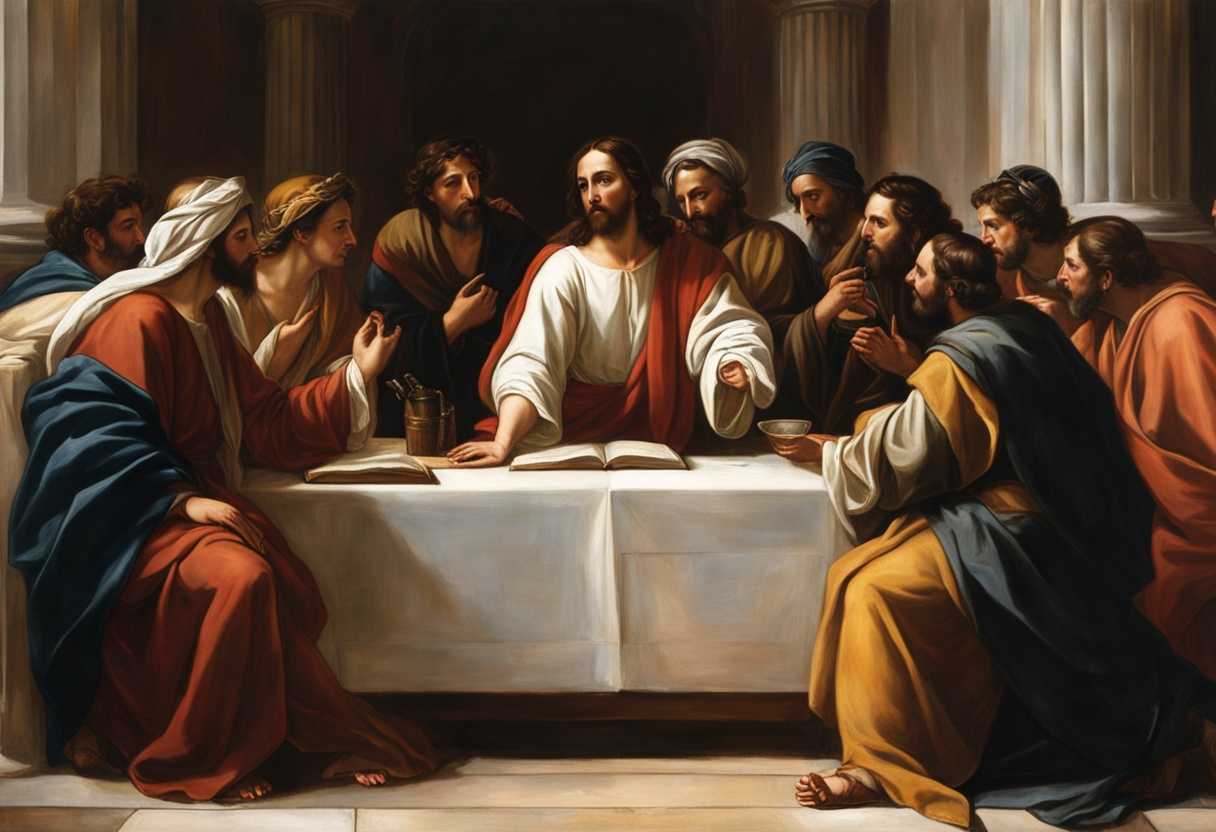
Setting the Scene for Matthew 22:17-22
In Matthew chapter 22, we find Jesus being confronted by the Pharisees and Herodians who were trying to trap him with a question about paying taxes to Caesar. The scene takes place in the temple in Jerusalem, a bustling and sacred place filled with people from all walks of life. The Pharisees, known for their strict adherence to Jewish law, and the Herodians, supporters of King Herod and the Roman occupation, come together with the intention of discrediting Jesus.
As Jesus stands in the midst of the crowd, the Pharisees and Herodians approach him, their faces filled with cunning and deceit. They pose the question, “Is it lawful to pay taxes to Caesar or not?” Their voices echo through the temple courtyard, creating a tense atmosphere as onlookers await Jesus’ response. The Pharisees and Herodians, usually at odds with each other, have set aside their differences momentarily to challenge Jesus, hoping to catch him in a dilemma. Jesus, aware of their malice, responds with wisdom and insight, leaving them amazed at his answer. The scene captures a pivotal moment in Jesus’ ministry, showcasing his ability to navigate complex situations with grace and truth.
What is Matthew 22:17-22 about?
This powerful verse from Jesus holds a timeless message about the importance of fulfilling our obligations both to earthly authorities and to God. Jesus is teaching his followers about the balance between our duties as citizens of the world and our responsibilities as children of God. He stresses the importance of obeying the laws of the land and fulfilling our civic duties by telling us to give to Caesar what is Caesar’s. At the same time, by urging us to give to God what is God’s, Jesus emphasizes the significance of our spiritual life and devotion to God.
Through this verse, Jesus prompts us to reflect on how we navigate our dual roles as citizens of society and as spiritual beings. He challenges us to consider how we prioritize and allocate our resources – both tangible and intangible – between secular and spiritual matters. Jesus invites us to live a balanced and conscientious life that honors both earthly and divine duties by advocating for a harmonious coexistence between our civic responsibilities and our spiritual commitments. So, as you ponder on this verse, think about how you can integrate this wisdom into your own life, ensuring that you contribute meaningfully to both the world around you and your spiritual growth.
Understanding what Matthew 22:17-22 really means
In the encounter between Jesus and the Pharisees and Herodians regarding paying taxes to Caesar, we witness a profound lesson in navigating the complexities of earthly duties and spiritual allegiance. The question posed to Jesus about the legality of paying taxes was a deliberate attempt to trap Him, highlighting the political tension of Roman occupation in Judea. Jesus’ response, “Render to Caesar the things that are Caesar’s, and to God the things that are God’s,” encapsulates a timeless truth about the dual nature of our obligations.
This statement by Jesus underscores the importance of distinguishing between our civic responsibilities and our spiritual commitments. While we are called to honor earthly authorities and fulfill our duties as citizens, our ultimate loyalty belongs to God. This principle resonates throughout the Bible, with passages like Romans 13:1-7 and 1 Peter 2:13-17 emphasizing the need to respect human institutions while prioritizing our allegiance to God, who created us in His image (Genesis 1:27).
In today’s world, where ethical dilemmas and moral quandaries often intersect with political and social issues, the wisdom of Jesus’ words remains relevant. We are challenged to navigate the complexities of our roles as citizens and believers, striving to fulfill our civic obligations without compromising our spiritual values. This balance is essential for maintaining integrity and upholding our faith in a world where conflicting demands can test our convictions.
Consider a scenario where a Christian business owner grapples with the dilemma of paying taxes that support causes contrary to their beliefs. The guidance from Matthew 22:17-22 can offer clarity, reminding them to meet their legal obligations while seeking ways to support causes aligned with their faith. This practical application of Jesus’ teaching illustrates the enduring relevance of His words in guiding our actions and decisions in contemporary contexts.
In conclusion, the lesson from Jesus’ response to the question about paying taxes transcends its historical context, offering timeless wisdom for believers today. It calls us to navigate the tension between our earthly responsibilities and heavenly commitments with discernment and integrity. By honoring both our civic duties and spiritual values, we strive to live a life that reflects our devotion to God’s kingdom while engaging responsibly in the world around us.
In what way do we prioritize God in our lives?
We prioritize God in our lives by acknowledging His supreme authority and sovereignty. We recognize that God holds a higher position than any human authority or power. When faced with decisions or conflicts, we seek guidance from God through prayer and through studying His Word. We demonstrate our trust in God to lead and direct our paths by putting Him first in our lives.
Prioritizing God also involves aligning our actions and choices with His will. This means living according to His commandments and striving to follow the example of Jesus Christ in our daily lives. We seek to honor God with our thoughts, words, and actions, seeking to bring glory and praise to His name in all we do. We demonstrate our love and devotion to God above all else by prioritizing Him in this way.
Additionally, prioritizing God can involve dedicating time and resources to serving Him and His kingdom. This can include participating in acts of service, sharing the Gospel with others, and supporting ministries and organizations that further God’s work on earth. We prioritize God in our lives and fulfill the call to be His ambassadors in this world by actively engaging in God’s mission and spreading His love and grace to others.
Application
In the hustle of our busy lives, think about Matthew 22:17-22. Just like balancing work and family, we’re called to honor God with what’s truly His. Are you giving God your best effort, reflecting His values in everything you do? Take a moment to align your actions with your faith. How will you make today a testament to His presence in your life?

Reverend Michael Johnson is an experienced Church Minister with a profound expertise in spirituality and guidance. With a serene presence and a compassionate heart, he has faithfully served his congregation for over 20 years, leading them on a spiritual journey towards inner peace and enlightenment. Reverend Johnson’s extensive knowledge of religious philosophies and profound understanding of human nature have made him a trusted confidant and mentor to many, as he seamlessly weaves his profound wisdom into life teachings. Reverend Johnson’s calming demeanor and empathetic nature continue to uplift and heal souls, nurturing a sense of unity and tranquility within his community.