
Matthew 23:2 is about Jesus teaching the crowds and his disciples to respect and follow the teachings of the religious leaders (Pharisees and teachers of the law) while also cautioning them against hypocrisy and a lack of genuine righteousness.
2 “The scribes and the Pharisees sit on Moses’ seat,
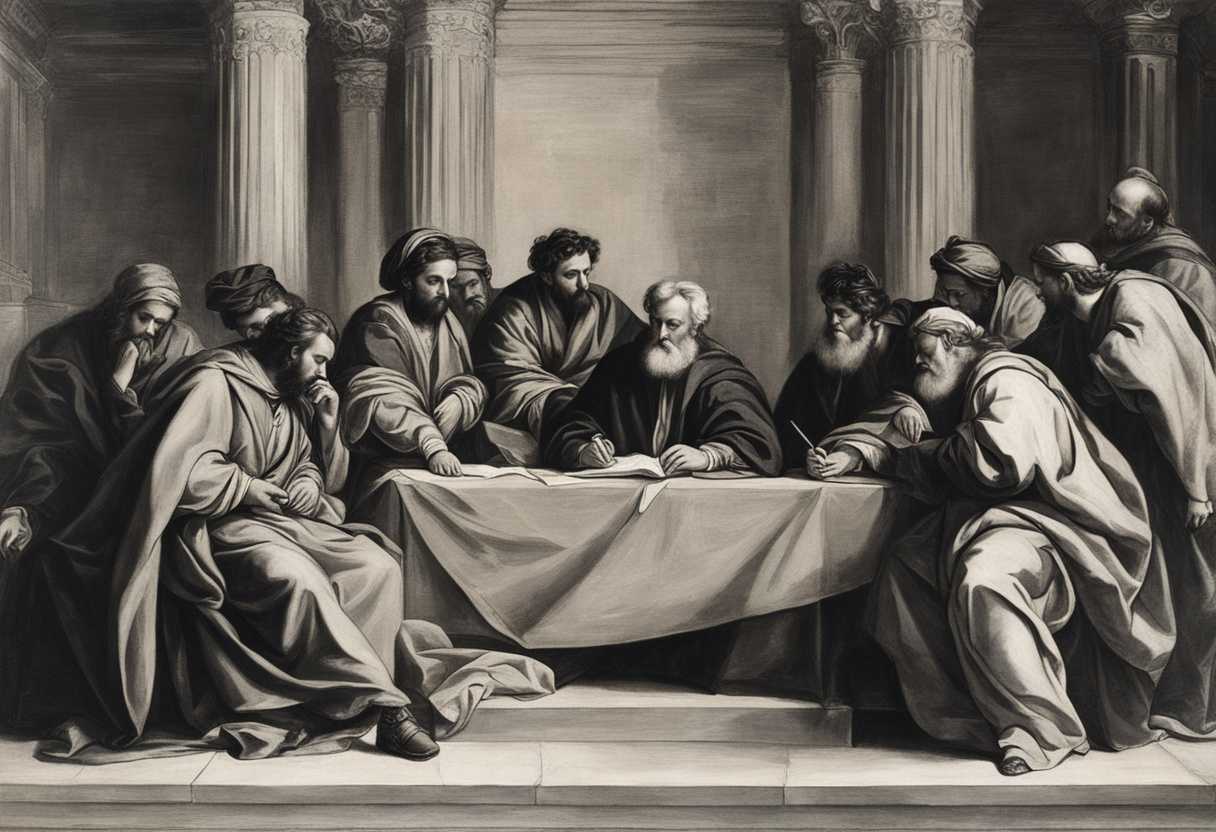
Setting the Scene for Matthew 23:2
In Matthew chapter 23, we find Jesus teaching a large crowd in the temple in Jerusalem. The scene is bustling with people from all walks of life – Pharisees, scribes, disciples, and ordinary citizens. The temple courtyard is filled with the sounds of discussion and debate as Jesus addresses the crowd with authority and wisdom.
The Pharisees and scribes, known for their strict adherence to religious laws, are present in the scene, listening intently to Jesus’ words. They have come to challenge Jesus and test his knowledge of the scriptures. The disciples, on the other hand, are gathered around Jesus, eager to learn from him and understand the deeper meanings behind his teachings.
As Jesus speaks, the sun casts a warm glow over the temple, creating a serene atmosphere despite the tension in the air. The scene is set for a powerful exchange of ideas and beliefs, as Jesus challenges the religious leaders to practice what they preach and live out the true meaning of faith and righteousness.
What is Matthew 23:2 about?
Jesus is urging us in this verse to pay attention to the teachings and wisdom of the Pharisees but also to be discerning and cautious about their actions. Jesus is highlighting the importance of wisdom and knowledge that can be gained from others, even if they may not always live up to the standards they preach. Jesus is encouraging us to focus on the message rather than the messenger by emphasizing the value of the teachings themselves.
Think about it this way: Have you ever learned something valuable from someone who may not have been a perfect role model? Jesus is reminding us that wisdom can be found in unexpected places and from unexpected sources. We should be open to learning from others while also critically analyzing their actions and ensuring that they align with the principles they are teaching. This verse challenges us to be discerning, thoughtful, and open-minded in our pursuit of knowledge and wisdom.
Understanding what Matthew 23:2 really means
In Matthew 23:2, Jesus addresses the crowds and His disciples, shedding light on the scribes and Pharisees of His time. To grasp the significance of this verse, it’s crucial to delve into the historical and cultural backdrop of the religious leaders during Jesus’ era. These leaders held positions of authority and influence, guiding the people in matters of faith and practice.
Continuing from Matthew 23:2, verses 3-4 emphasize the hypocrisy prevalent among the scribes and Pharisees. Jesus contrasts their outward displays of piety with their inward motivations, highlighting the importance of genuine faith over mere outward appearances. In Matthew 5:20, Jesus sets a higher standard of righteousness, surpassing that of the religious elite, challenging His followers to embody true righteousness in their lives.
In Luke 11:46, Jesus extends His critique to the lawyers, condemning them for burdening the people with heavy loads of legalistic requirements. This condemnation underscores the need for leaders to uplift and support those under their care, rather than adding unnecessary burdens. The relevance of these passages extends to contemporary society, where integrity and authenticity in leadership are often questioned.
Consider a scenario where a manager preaches teamwork but fails to engage in collaborative efforts. Over time, employees may lose respect for the manager due to the disparity between words and actions. Similarly, Jesus emphasizes the importance of leaders practicing what they preach, aligning their teachings with their conduct to foster trust and respect.
“The scribes and the Pharisees sit in Moses’ seat” signifies a position of authority in interpreting and teaching the Law of Moses. This phrase underscores the reverence accorded to those responsible for imparting God’s law, highlighting the weight of their role in guiding the community. By sitting in Moses’ seat, these leaders bear a significant responsibility in upholding the teachings and principles of the faith.
Reflect on your spheres of influence and authority. Are you leading by example, aligning your actions with your words to cultivate trust and integrity? This verse serves as a call to examine the authenticity of your faith and practice, urging a harmonious integration of belief and behavior. By internalizing the message of Matthew 23:2 and its surrounding context, we are prompted to embody genuine and responsible leadership, both within religious contexts and in our daily interactions.
What does it mean to practice what we preach?
To practice what we preach means to align our actions with our words. It involves living out the values, beliefs, and teachings that we teach or advocate for. Jesus condemns the religious leaders for not practicing what they preached in the context of Matthew 23:2. He criticized them for instructing others on how to live righteously but failing to do so themselves. This verse emphasizes the importance of being authentic in our beliefs and actions, rather than being hypocritical. We demonstrate integrity and credibility in our words and actions by practicing what we preach. It involves being consistent and genuine in all areas of our lives. When we live out the values and principles we advocate for, we inspire others to follow our example and build trust and respect in our relationships. It is a way of showing a true commitment to our beliefs and being a positive influence on those around us.
Application
Imagine your life as a journey through a bustling city. In this city, the signposts—humility and compassion—guide your path. Don’t just wear a uniform of faith; embody it in every action. Live with real integrity, showing sincere love and kindness. Will you choose to make your everyday interactions a testament to your true beliefs?

Reverend Michael Johnson is an experienced Church Minister with a profound expertise in spirituality and guidance. With a serene presence and a compassionate heart, he has faithfully served his congregation for over 20 years, leading them on a spiritual journey towards inner peace and enlightenment. Reverend Johnson’s extensive knowledge of religious philosophies and profound understanding of human nature have made him a trusted confidant and mentor to many, as he seamlessly weaves his profound wisdom into life teachings. Reverend Johnson’s calming demeanor and empathetic nature continue to uplift and heal souls, nurturing a sense of unity and tranquility within his community.