
I am sorry, what would you like to know about Matthew 3:4?
4 Now John wore a garment of camel’s hair and a leather belt around his waist, and his food was locusts and wild honey.
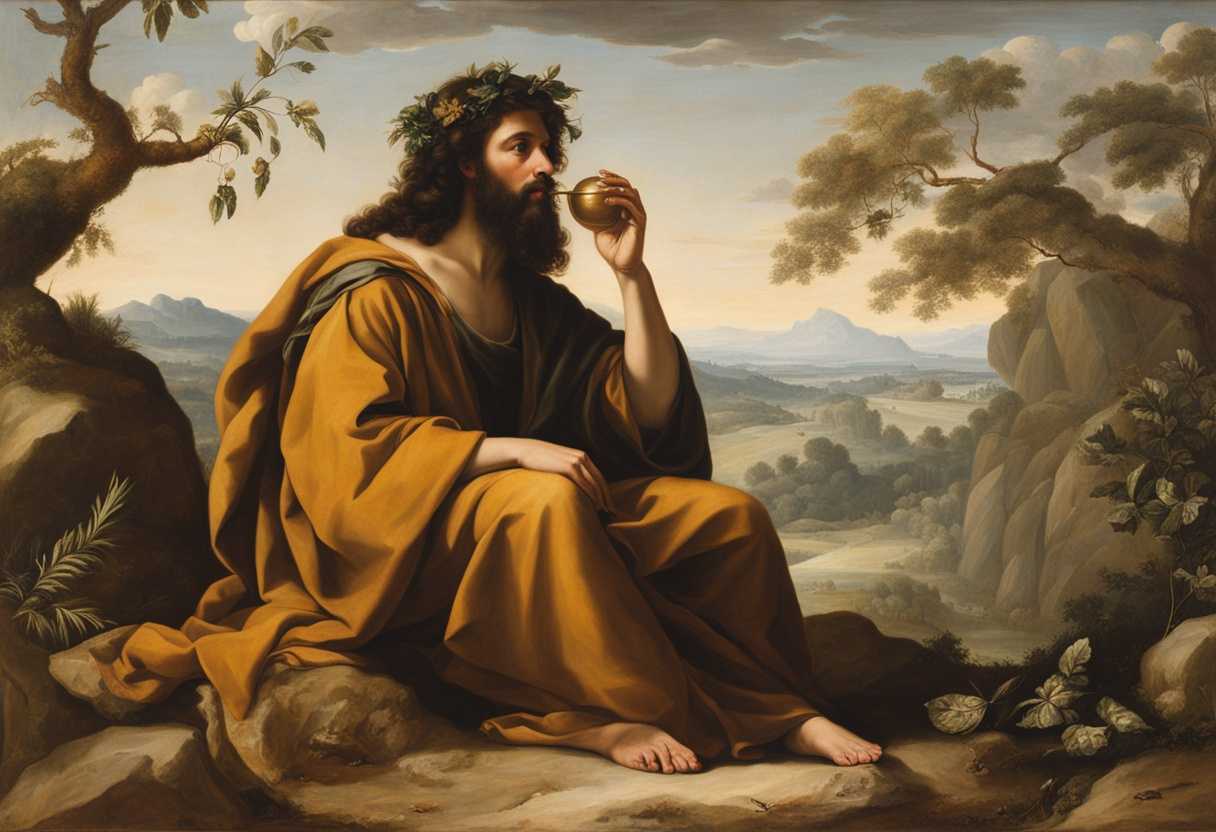
Setting the Scene for Matthew 3:4
In Matthew chapter 3, we find John the Baptist preaching in the wilderness of Judea. The scene is set along the banks of the Jordan River, a rugged and barren landscape with sparse vegetation. John, dressed in camel’s hair with a leather belt around his waist, stands tall and commanding as he proclaims a message of repentance and the coming of the Messiah.
Crowds of people from Jerusalem, Judea, and the surrounding regions have gathered to hear John speak. They are captivated by his powerful words and his call to turn away from sin and be baptized in the river as a symbol of cleansing and preparation for the arrival of the long-awaited Savior. Among the crowd are tax collectors, soldiers, Pharisees, and ordinary people, all drawn to John’s message of hope and redemption.
As John preaches with fervor and conviction, his words echoing off the rocky cliffs and reverberating through the valley, the atmosphere is charged with anticipation and expectation. The people are stirred in their hearts, feeling a sense of urgency to heed John’s call to repentance and to prepare their hearts for the coming of the Messiah. The scene is one of spiritual awakening and transformation, as the people are confronted with the reality of their need for forgiveness and the promise of a new beginning.
What is Matthew 3:4 about?
When we hear about John the Baptist’s unique choice of clothing, it may strike us as odd at first. Why would someone wear clothes made of camel’s hair with a leather belt? It is important to understand the significance behind it. John the Baptist was known for his simplicity and humility. His clothing choice reflected his lifestyle of detachment from material possessions and focus on a higher spiritual calling. He demonstrated his commitment to his mission of preparing the way for Jesus by wearing such simple garments.
John the Baptist’s attire also symbolized his role as a prophet in the wilderness. Camel’s hair was a coarse and rough material, mirroring the harsh and rugged environment in which John lived and preached. The leather belt was a practical tool for survival in the wilderness, emphasizing John’s reliance on basic necessities rather than luxuries. John the Baptist’s clothing visually represented his dedication to his faith, his willingness to live a humble life, and his unwavering commitment to his divine purpose. It serves as a reminder for us to reflect on our own values and priorities in life.
Understanding what Matthew 3:4 really means
In Matthew 3:4, we encounter a vivid description of John the Baptist, a significant figure in the New Testament who played a crucial role in preparing the way for Jesus Christ. John’s distinctive lifestyle and appearance serve as symbols of his prophetic calling and his message of repentance. The mention of John wearing clothes made of camel’s hair highlights his simplicity and humility, showcasing his rejection of worldly comforts in favor of spiritual pursuits. This choice of attire underscores John’s focus on the inner life rather than external appearances, challenging us to reflect on our own priorities in a materialistic world.
Additionally, the detail about John wearing a leather belt around his waist draws a parallel to the prophet Elijah, emphasizing John’s role as a prophet continuing the legacy of those who came before him. This connection to Elijah, as seen in 2 Kings 1:8, further solidifies John’s prophetic identity and mission. Furthermore, John’s unconventional diet of locusts and wild honey serves as a testament to his ascetic lifestyle and his trust in God’s provision. By relying on such simple sustenance, John demonstrates his detachment from worldly pleasures and his dependence on divine care.
The relevance of John the Baptist’s example extends to contemporary society in various ways. His emphasis on simplicity and spiritual focus challenges us to reevaluate our own priorities in a culture that often values material wealth and possessions above all else. John’s prophetic voice calls us to listen to the messages of modern-day prophets and spiritual leaders who advocate for repentance and renewal, urging us to heed their calls for personal and societal transformation. Just as John prepared the way for Jesus, we are reminded to prepare our hearts and lives for Christ’s presence and eventual return, prompting us to cultivate a deeper relationship with God and align our lives with His will.
To illustrate the impact of John’s lifestyle in a modern context, consider a minimalist individual who chooses to live simply and generously, donating a significant portion of their income to charitable causes. This person’s intentional rejection of excess and focus on serving others mirrors John’s commitment to humility and spiritual devotion. Their life serves as a powerful example that challenges societal norms and encourages others to reconsider their own values and priorities, inspiring a deeper connection with God and community.
In conclusion, John the Baptist’s life and message continue to resonate with us today, urging us to live authentically and purposefully, prioritizing spiritual growth and preparing our hearts for Christ’s transformative work. His legacy serves as a timeless reminder to seek what truly matters in life and to align our actions with the values of humility, generosity, and spiritual focus. May we heed the call to follow in John’s footsteps, embracing a life of faith, simplicity, and readiness for the presence of Christ in our midst.
Are we living in humility and repentance?
The verse talks about John the Baptist wearing humble clothing made of camel’s hair and eating locusts and wild honey. This demonstrates a life of humility and repentance. John shows his detachment from worldly comforts and desires by wearing simple and uncomfortable clothing and consuming basic foods. This serves as an example for us to live in humility, recognizing our own weaknesses and sins while turning towards God in repentance.
Living in humility involves acknowledging our own imperfections and limitations. It requires us to put aside our pride and ego, recognizing that we are in need of God’s grace and forgiveness. Repentance goes hand in hand with humility, as we are called to turn away from sin and towards God, seeking His mercy and guidance in our lives. We can open ourselves up to the transformative power of God’s love and deepen our relationship with Him by living in humility and repentance.
Application
Think of your life as a desk cluttered with papers. It’s time to clear away what’s unnecessary. Just like John the Baptist’s simple life, we too must remove distractions to strengthen our connection with God. Take a moment to assess your actions and choices. Are they aligned with what truly matters? Will you join in stripping away the noise and focus on a life lived for God’s will?

Reverend Michael Johnson is an experienced Church Minister with a profound expertise in spirituality and guidance. With a serene presence and a compassionate heart, he has faithfully served his congregation for over 20 years, leading them on a spiritual journey towards inner peace and enlightenment. Reverend Johnson’s extensive knowledge of religious philosophies and profound understanding of human nature have made him a trusted confidant and mentor to many, as he seamlessly weaves his profound wisdom into life teachings. Reverend Johnson’s calming demeanor and empathetic nature continue to uplift and heal souls, nurturing a sense of unity and tranquility within his community.