
Micah 3:10 is about the leaders and rulers of Judah being condemned for their corrupt behavior and unjust practices, emphasizing that true righteousness comes from following God’s will and seeking justice and integrity.
10 They build Zion with blood and Jerusalem with iniquity.
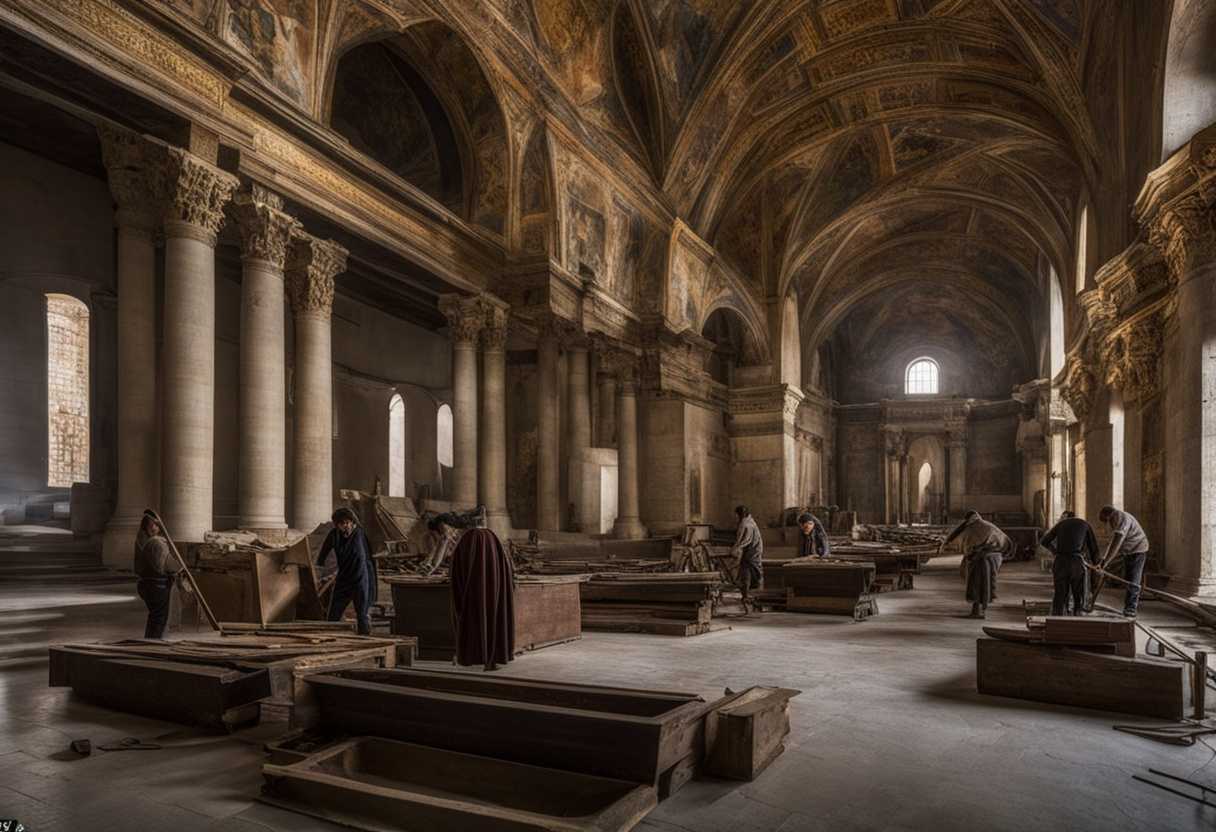
Setting the Scene for Micah 3:10
In Micah chapter 3, the prophet Micah is addressing the leaders and rulers of Israel, condemning them for their corruption and injustice. The scene is set in the royal court of Jerusalem, where the rulers have gathered to hear Micah’s words. The room is adorned with opulent decorations, reflecting the wealth and power of those in attendance.
Among those present are King Ahaz, his advisors, and other officials of the court. They have summoned Micah to hear his prophecies, perhaps out of curiosity or a desire to maintain appearances of religious observance. However, Micah does not hold back in his rebuke, calling out the leaders for their exploitation of the poor and their disregard for justice.
As Micah speaks, tension fills the room as his words challenge the authority and actions of those in power. The atmosphere is heavy with the weight of impending judgment, as Micah warns of the consequences of their actions and the impending destruction that will come upon the nation if they do not repent and change their ways.
What is Micah 3:10 about?
This verse is a powerful call to action towards righteousness and standing up against injustice. It emphasizes the importance of actively pursuing goodness and fairness in all aspects of our lives. We are aligning ourselves with the teachings of God and working towards a world that reflects His values by doing good deeds, seeking justice, and confronting evil.
Think about it, how can we expect to receive blessings if we do not actively strive to do what is right? This verse challenges us to not only be passive bystanders in the face of wrongdoing but to be courageous advocates for justice. It reminds us of the profound impact our actions can have in bringing about positive change and the importance of standing up for what is morally right, even when it may be difficult.
Let this verse serve as a reminder that our choices and actions matter. We honor God and create a more compassionate and just world for ourselves and others by choosing to do good, seek justice, and rebuke evil. Trust that God sees our efforts towards righteousness and will bless those who strive to walk in His ways.
Understanding what Micah 3:10 really means
Micah 3:10, nestled within a larger passage of condemnation by the prophet Micah, shines a spotlight on the corrupt leaders of Israel. These leaders are accused of constructing Zion with bloodshed and Jerusalem with iniquity, painting a grim picture of a society steeped in moral decay and exploitation. The verse serves as a poignant reminder of the consequences of corruption and injustice that continue to plague modern society. It beckons us to reflect on the integrity and righteousness required in leadership, emphasizing that true prosperity cannot be built on the suffering and exploitation of others.
Drawing parallels from other biblical passages, such as Isaiah 1:23, Jeremiah 22:13, and Proverbs 29:4, we see a consistent theme of condemning leaders who amass wealth and power through unjust means. These passages underscore the destructive nature of greed and corruption while extolling the stabilizing influence of justice. The timeless relevance of Micah’s warning is palpable, resonating with the societal injustices and moral failings we witness today.
Consider a scenario where a local leader misappropriates funds meant for public welfare projects. The repercussions are stark: unpaved roads, under-resourced schools, and inadequate healthcare. This cycle of poverty and suffering mirrors the actions of the leaders in Micah’s time, who built their power on bloodshed and iniquity. Such modern-day examples vividly illustrate the enduring relevance of Micah’s admonition, urging us to confront and rectify the injustices in our midst.
Delving into the meaningful phrases of Micah 3:10, we encounter evocative imagery that vividly portrays the depths of societal corruption. “Building up Zion with bloodshed” signifies the ruthless exploitation of the vulnerable by the powerful, resulting in widespread suffering and injustice. Similarly, “Jerusalem with iniquity” underscores the pervasive moral decay that permeates the very foundations of society, leading to a breakdown of justice and righteousness.
In conclusion, Micah 3:10 stands as a timeless cautionary tale against the perils of corruption and injustice. It beckons leaders and individuals alike to pursue righteousness and integrity, advocating for a society founded on principles of justice and compassion rather than exploitation and greed. As we reflect on Micah’s words, may we heed the call to uphold justice, foster compassion, and strive for a world where righteousness reigns supreme.
How do we ensure justice and righteousness prevail?
Justice and righteousness can prevail by individuals actively upholding and practicing these principles in their lives and communities. This involves treating others with fairness and honesty, seeking to right wrongs and injustices, and living according to moral and ethical standards. Individuals contribute to a more just and righteous society as a whole by consistently choosing to do what is right and just.
Furthermore, it is important for leaders and those in positions of power to prioritize justice and righteousness in their decision-making processes. Leaders have the responsibility to enact and uphold just laws, policies, and practices that promote equality, fairness, and the well-being of all members of society. Individuals can create a more just and equitable society for everyone by holding leaders accountable and demanding justice and righteousness in governance. Ultimately, we all share the responsibility of pursuing justice and righteousness, which demands collective action and commitment. Individuals can ensure that justice and righteousness prevail in their communities and beyond by working together to address systemic injustices, promote equality, and foster a culture of integrity and moral conduct.
Application
Let Micah 3:10 ignite a fire within you to uphold justice and walk the path of righteousness. It’s time to step up and be the change our communities need. Stand firm, show compassion, and strive to make a difference in the lives of those around you. Will you rise to the occasion and be a beacon of hope in a world that craves justice and righteousness?

Reverend Michael Johnson is an experienced Church Minister with a profound expertise in spirituality and guidance. With a serene presence and a compassionate heart, he has faithfully served his congregation for over 20 years, leading them on a spiritual journey towards inner peace and enlightenment. Reverend Johnson’s extensive knowledge of religious philosophies and profound understanding of human nature have made him a trusted confidant and mentor to many, as he seamlessly weaves his profound wisdom into life teachings. Reverend Johnson’s calming demeanor and empathetic nature continue to uplift and heal souls, nurturing a sense of unity and tranquility within his community.