
6 Hear what the Lord says: Arise, plead your case before the mountains, and let the hills hear your voice.
2 “Hear, you mountains, the indictment of the Lord,
and you enduring foundations of the earth,
for the Lord has an indictment against his people,
and he will contend with Israel.
3 “O my people, what have I done to you?
How have I wearied you? Answer me!
4 For I brought you up from the land of Egypt
and redeemed you from the house of slavery,
and I sent before you Moses,
Aaron, and Miriam.
5 “O my people, remember what Balak king of Moab devised, and what Balaam the son of Beor answered him, and what happened from Shittim to Gilgal, that you may know the righteous acts of the Lord.”
6 “With what shall I come before the Lord, and bow myself before God on high? Shall I come before him with burnt offerings, with calves a year old?”
7 Will the Lord be pleased with thousands of rams,
with ten thousands of rivers of oil?
Shall I give my firstborn for my transgression,
the fruit of my body for the sin of my soul?
8 He has told you, O man, what is good; and what does the Lord require of you but to do justice, and to love kindness, and to walk humbly with your God?
9 The voice of the Lord cries to the city—
and it is sound wisdom to fear your name:
“Hear of the rod and of him who appointed it!
10 Can I forget any longer the treasures of wickedness in the house of the wicked, and the scant measure that is accursed?
11 Shall I acquit the man with wicked scales and with a bag of deceitful weights?
12 Your rich men are full of violence;
your inhabitants speak lies,
and their tongue is deceitful in their mouth.
13 Therefore I strike you with a grievous blow, making you desolate because of your sins.
14 You shall eat, but not be satisfied,
and there shall be hunger within you;
you shall put away, but not preserve,
and what you preserve I will give to the sword.
15 You shall sow, but not reap;
you shall tread olives, but not anoint yourselves with oil;
you shall tread grapes, but not drink wine.
16 For you have kept the statutes of Omri,
and all the works of the house of Ahab;
and you have walked in their counsels,
that I may make you a desolation, and your inhabitants a hissing;
so you shall bear the scorn of my people.”
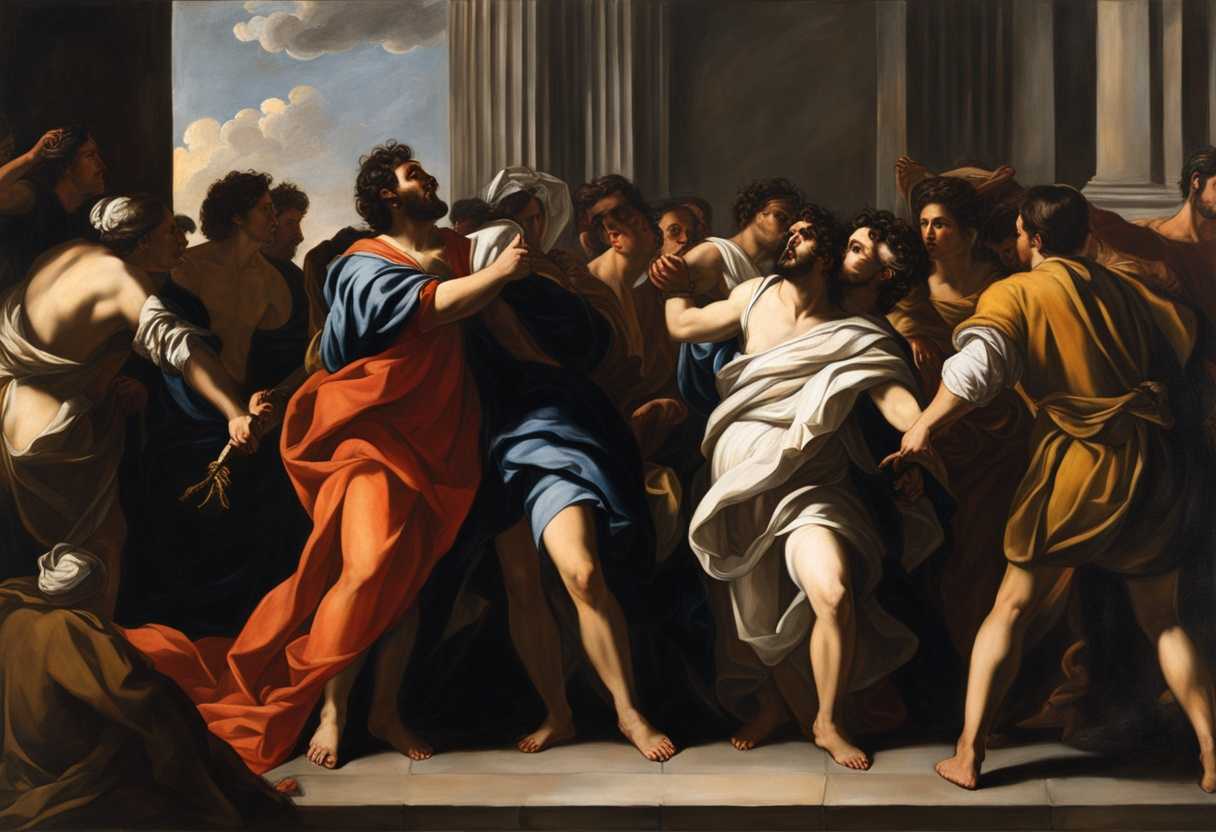
The True Meaning of Micah 6
The book of Micah was written by the prophet Micah, who lived during the reigns of Jotham, Ahaz, and Hezekiah, kings of Judah. Micah was a contemporary of the prophets Isaiah and Hosea, and his message was directed towards both the northern kingdom of Israel and the southern kingdom of Judah. Micah presents a courtroom scene in this chapter, where the Lord is bringing a case against his people. He reminds them of his past faithfulness and the blessings he has bestowed upon them, and then challenges them to consider how they have responded to his love and grace. The chapter foreshadows the coming judgment that will fall upon the people if they continue in their unfaithfulness and injustice, but also offers a glimmer of hope for those who will turn back to the Lord.
Throughout the passage, Micah draws upon the wisdom and teachings of other biblical prophets, such as when he echoes the words of Deuteronomy 10:12-13 in verse 8. This interconnectedness of the prophetic writings underscores the unity of God’s message and the importance of heeding the warnings and instructions given by his messengers.
Micah 6:1-5
The passage in Micah 6:1-5 can be broken down into several important sections that highlight the conversation between God and Israel.
Firstly, in verse 1, the prophet Micah calls upon the people of Israel to listen to what the Lord is saying. The term “arise” can be seen as a call to attention, urging them to prepare themselves for the words that will be spoken. This sets the tone for the dialogue that follows, emphasizing the importance of what is to be discussed. This call to attention is a common literary device used in the Bible to signify a shift in focus or an important message to follow, encouraging the readers to pay close attention.
Moving on to verse 2, God is depicted as a plaintiff who is summoning Israel to court. The mountains and hills are personified as witnesses to this trial, underscoring the solemnity and significance of the occasion. This courtroom imagery is a powerful metaphor used throughout the Bible to convey God’s judgment and righteousness. It serves as a reminder that God is just and that His people are being held accountable for their actions. This theme of judgment and accountability is recurrent in the Bible, emphasizing the importance of living a righteous life according to God’s commandments. God presents his case against Israel in verses 3-5, reminding them of His faithfulness and the deliverance He has provided throughout their history. The references to specific events, such as their liberation from Egypt and the leadership of Moses, invoke the collective memory of the Israelites and their covenant relationship with God. God highlights His continuous love and care for His people by recalling these pivotal moments in their history, despite their disobedience and unfaithfulness. This serves as a cautionary tale, warning Israel of the consequences of straying from God’s ways and the importance of remembering His past deeds.
This passage in Micah carries a timeless message about the covenant relationship between God and His people. It underscores the need for obedience, gratitude, and humility in the face of God’s faithfulness and justice. The use of historical references to events such as the Exodus from Egypt and the leadership of Moses also aligns with the broader biblical narrative of God’s redemptive plan for His people. This serves as a reminder of the importance of remembering God’s past actions and staying true to His commandments. The dialogue between God and Israel in Micah 6 serves as a call to reflection and repentance, urging the readers to reevaluate their own relationship with God and strive for righteousness in all aspects of their lives. This passage encapsulates the profound message of God’s enduring love, justice, and expectation of faithfulness from His people. It serves as a poignant reminder of the consequences of straying from God’s path and the importance of maintaining a steadfast commitment to His laws and teachings, echoing throughout the entire Bible from Genesis to Revelation.
Micah 6:6-8
Micah 6:6-8 says, “With what shall I come before the Lord and bow down before the exalted God? Shall I come before him with burnt offerings, with calves a year old? Will the Lord be pleased with thousands of rams, with ten thousand rivers of olive oil? Shall I offer my firstborn for my transgression, the fruit of my body for the sin of my soul? He has shown you, O mortal, what is good. And what does the Lord require of you? To act justly and to love mercy and to walk humbly with your God. The prophet Micah addresses the people of Israel in these verses, questioning what offerings they can bring before the Lord to atone for their sins. He presents various scenarios – burnt offerings, sacrificial animals, even the extreme sacrifice of offering one’s firstborn – to emphasize that external offerings alone cannot appease God. This reflects a common theme throughout the Bible that God values a sincere heart over ritualistic sacrifices. The people had veered off course, focusing on material offerings rather than genuinely seeking a relationship with God. Micah is highlighting the futility of external displays of worship without internal transformation by posing these questions. The prophet’s words echo sentiments shared by other biblical figures, such as Samuel telling Saul, “To obey is better than sacrifice, and to heed is better than the fat of rams” (1 Samuel 15:22). It is not the grandeur or quantity of offerings that matter most to God, but the condition of one’s heart and their obedience to His commands.
Micah then goes on to deliver a profound message about the true requirements of the Lord. He simplifies the complex rituals and sacrifices by stating that what God truly desires from His people is threefold: to act justly, to love mercy, and to walk humbly with Him. These instructions encapsulate the essence of living a righteous life before God and others.
To “act justly” is to uphold fairness, righteousness, and equity in our dealings with others. This mirrors the call throughout the Bible for justice and compassion, such as in the words of Isaiah 1:17, “Learn to do right; seek justice. Defend the oppressed. Take up the cause of the fatherless; plead the case of the widow.”
The command to “love mercy” emphasizes the importance of extending grace and compassion to those around us. God values mercy and forgiveness, as shown in countless passages like Micah 7:18, “Who is a God like you, who pardons sin and forgives the transgression of the remnant of his inheritance? You do not stay angry forever but delight to show mercy.”
Lastly, to “walk humbly with your God” is a call to a life of humility, submission, and dependence on the Almighty. This echoes the sentiment shared in James 4:10, “Humble yourselves before the Lord, and he will lift you up.” Walking humbly involves acknowledging our reliance on God’s guidance and recognizing our need for His presence in our lives. Micah 6:6-8 presents a powerful message about the heart of true worship and service to God. It underscores the importance of authentic faith, righteous living, compassion towards others, and humility before the Creator. These principles remain relevant today, reminding believers that God desires not just outward rituals but inward transformation and a life lived in alignment with His will.
Micah 6:9-12
Micah is delivering a message from the Lord in Micah 6:9-12, addressing the sin and corruption prevalent among the people of Israel. Let’s break this verse down into sections for a detailed commentary:
-
“The voice of the Lord will call out to the city— and it is sound wisdom to fear your name— “Hear, O tribe and assembly of the city! Micah conveys in this section that the Lord’s voice is calling out to the city, urging the people to heed His words and fear His name. The reference to the city can be seen as a metaphor for the collective community of Israel. The importance of fearing God’s name signifies reverence and respect for His authority and holiness. This call to attention highlights the necessity of obedience and recognition of God’s sovereignty, emphasizing the essential relationship between the Creator and His creation.
-
“Will I forget any of the wicked deeds it has done? Should I ignore your wicked house, you with your ill-gotten treasures and deceitful scales, and the short weight in your bag? Micah questions the people of Israel about their sinful actions in this section. The mention of wicked deeds, ill-gotten treasures, deceitful scales, and unjust practices all point to the rampant corruption and dishonesty that had seeped into the society. The use of deceitful scales symbolizes the unrighteousness in their dealings, indicating a lack of integrity and fairness. The imagery of “short weight in your bag” signifies fraudulent measures and the dishonest accumulation of wealth. These practices were a direct violation of God’s commandments regarding honesty and justice, revealing the depths of the people’s transgressions.
-
“Shall I acquit someone with dishonest scales, with a bag of false weights? Your rich people are violent; your inhabitants are liars and their tongues speak deceitfully.”
Here, God continues to address the sins of the people, particularly focusing on the unjust practices and moral decay within the society. The condemnation of those using dishonest scales and false weights reflects God’s abhorrence towards deceit and exploitation. The mention of the rich being violent and the inhabitants being liars emphasizes the widespread nature of corruption and immorality. The pervasiveness of dishonesty and violence among the people had eroded the fabric of their community, leading to a breakdown of trust and unity. Micah 6:9-12 serves as a powerful admonition against sin, injustice, and dishonesty. The passage underscores the timeless message of God’s holiness, justice, and the requirement for His people to live in righteousness and truth. The consequences of disobedience and moral decay depicted in these verses echo throughout the Bible, resonating with themes of repentance, judgment, and the need for genuine transformation. Readers reflecting on Micah’s words are prompted to examine their own lives and societies, striving to align themselves with God’s will and upholding justice, integrity, and compassion as integral values in their walk with the Lord.
Micah 6:13-16
Micah addresses the people of Israel in Micah 6:13-16, relaying the message from the Lord about their injustices and disobedience. Let us break down these verses and delve into their significance. Micah highlights the prevalent corruption in society in verse 13 by speaking of deceptive weights and dishonest measures, where people were cheating one another in commerce. This verse shows how the people were engaged in unethical business practices, taking advantage of each other for personal gain. This dishonesty and lack of integrity were not only harming individuals but also tarnishing the community’s moral fabric. This scenario is a stark reminder that injustices and unethical behaviors have long-lasting implications, not only on a personal level but also on a societal level. The use of unjust weights and measures is condemned throughout the Bible, demonstrating the importance of honesty and fairness in all dealings (Leviticus 19:36, Proverbs 11:1).
Moving to verses 14 and 15, Micah portrays a vivid picture of the impending consequences of such sins. The threat of punishment looms as the people had forsaken the Lord and embraced idols, provoking His righteous anger. The Israelites not only broke the first commandment but also betrayed the covenant they had with the Lord by turning away from God and worshiping false idols. This act of idolatry was a recurring theme in the history of Israel, where they often strayed from God and sought after other gods (Deuteronomy 31:16, Judges 2:12). The consequences of forsaking the true God for idols are severe, as seen throughout the Bible when the Israelites faced hardships and calamities due to their unfaithfulness. Micah delivers a solemn warning of the devastation that would befall the people of Israel due to their sins in the final verse, verse 16. The impending desolation is likened to mourning and lamentation, symbolizing the sorrow and distress that will come upon the disobedient nation. This verse serves as a poignant reminder of the judgment that awaits those who persist in rebellion against God. It underscores the principle of reaping what is sown, as the Israelites’ disregard for God’s laws and their mistreatment of others would ultimately lead to their downfall (Galatians 6:7). Micah 6:13-16 serves as a powerful admonition against dishonesty, idolatry, and disobedience. It conveys the timeless message of the importance of integrity, faithfulness, and obedience to God’s commands. Through the prophet Micah’s words, we are reminded of the consequences of sin and the mercy of God, who calls His people to repentance and righteousness.
After Micah 6
The prophet Micah had delivered a stern message from the Lord. He had called out the people’s unfaithfulness and their failure to uphold justice and mercy. The chapter ended with a powerful question from the Lord, “What have I done to you? The reverend knew that the next chapter would bring an even more challenging call to repentance as the people stood in silence, convicted by their own actions. The Lord had not given up on His people. He longed for them to return to Him with their whole hearts. The reverend could feel the weight of this message, knowing that it was not just for the people of Micah’s time, but for all who would hear it, including the congregation before him. The time had come to heed the Lord’s voice and make the necessary changes in their lives.

Reverend Michael Johnson is an experienced Church Minister with a profound expertise in spirituality and guidance. With a serene presence and a compassionate heart, he has faithfully served his congregation for over 20 years, leading them on a spiritual journey towards inner peace and enlightenment. Reverend Johnson’s extensive knowledge of religious philosophies and profound understanding of human nature have made him a trusted confidant and mentor to many, as he seamlessly weaves his profound wisdom into life teachings. Reverend Johnson’s calming demeanor and empathetic nature continue to uplift and heal souls, nurturing a sense of unity and tranquility within his community.