
6 “With what shall I come before the Lord, and bow myself before God on high? Shall I come before him with burnt offerings, with calves a year old?”
7 Will the Lord be pleased with thousands of rams,
with ten thousands of rivers of oil?
Shall I give my firstborn for my transgression,
the fruit of my body for the sin of my soul?
8 He has told you, O man, what is good; and what does the Lord require of you but to do justice, and to love kindness, and to walk humbly with your God?
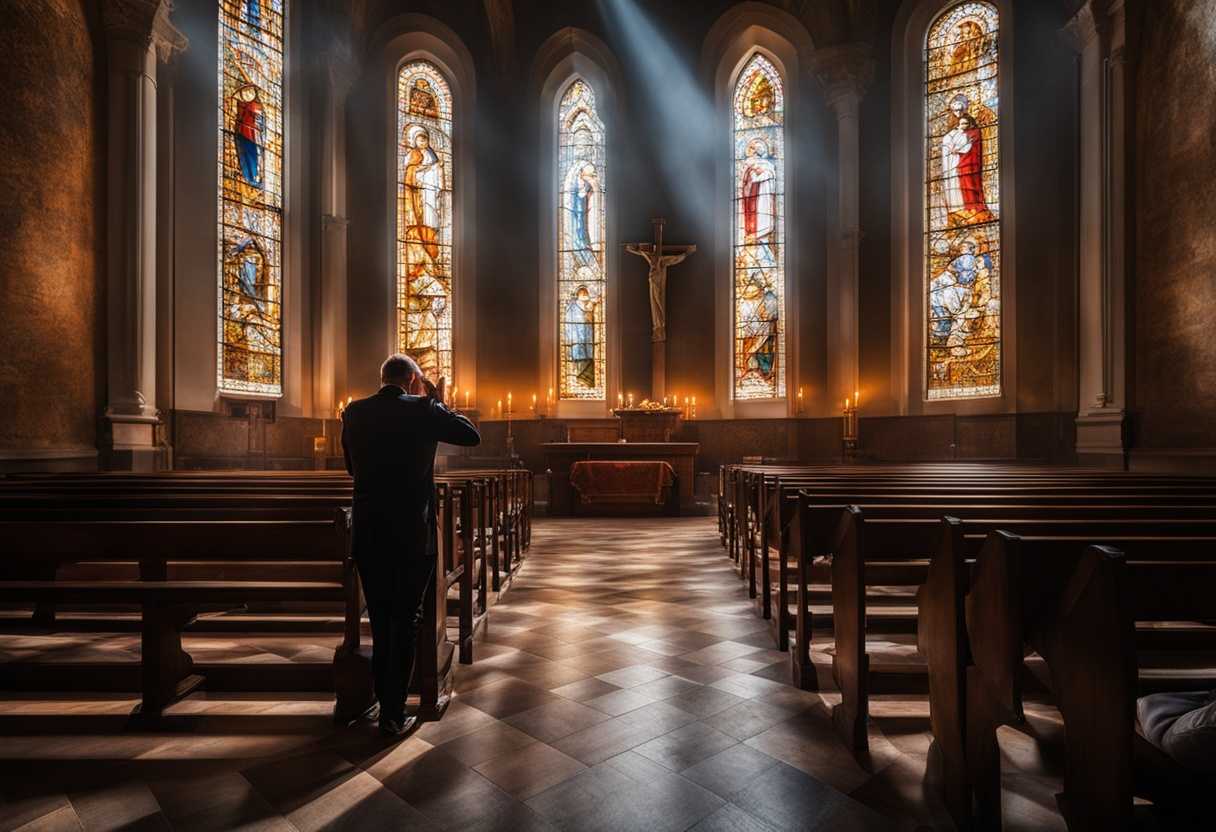
Setting the Scene for Micah 6:6-8
In the scene from Micah chapter 6, we find a gathering of people in the ancient city of Jerusalem. The setting is a bustling marketplace, with merchants selling their wares and the aroma of spices and incense filling the air. The sun beats down on the cobblestone streets as a diverse group of individuals congregates near the temple.
Among the crowd are the prophet Micah, a humble man with a fiery passion for justice, and the leaders of the city, including priests and officials. They have come together to discuss matters of great importance, seeking guidance on how to please God and live in accordance with His will. The tension is palpable as Micah challenges the people to remember their covenant with God and to act justly, love mercy, and walk humbly with their God.
As the conversation unfolds, the crowd grows still, hanging on Micah’s every word. His message is clear and powerful, a call to action for all who are present. The scene is charged with emotion and conviction, as the people grapple with the weight of their responsibilities and the challenge of living a life that honors God.
What is Micah 6:6-8 about?
This verse from the book of Micah is a powerful call to action for all believers. It emphasizes the importance of living a life that is marked by justice, mercy, and humility. We are called to treat others fairly and with respect by acting justly, ensuring that all people are treated with dignity and equality. Loving mercy reminds us to show compassion and kindness to those around us, even when it may not be deserved. Walking humbly with God encourages us to approach our relationship with Him with a sense of humility and reverence, recognizing our own limitations and weaknesses in comparison to His greatness.
Just imagine a world where everyone acted with justice, loved mercy, and walked humbly with God. It would be a world filled with understanding, kindness, and compassion. Each of us has a part to play in creating this kind of world by embodying these values in our daily lives. Let this verse be a reminder to us all to strive for justice, show mercy to others, and maintain a humble posture in our walk with God. We honor God and contribute to building a better and more harmonious society by living out these principles.
Understanding what Micah 6:6-8 really means
Structure for Commentary:
- Introduction and Context
- Explanation of Key Phrases
- Connection to Other Biblical Passages
- Relevance to Contemporary Life
- Anecdotal Illustration
- Reflection and Application
Commentary:
Introduction and Context:
Micah 6:6-8 is a powerful passage where the prophet Micah addresses the people of Israel, challenging their assumptions about what God truly desires from them. The context is a dialogue between the people and God, where the people inquire about the proper way to approach God and what offerings would be acceptable. This passage is crucial because it shifts the focus from external rituals to internal virtues.
Explanation of Key Phrases:
“With what shall I come before the Lord?” This question reflects a common concern among believers: What can we do to please God? It underscores the human tendency to seek validation through actions and offerings.
“To act justly, to love mercy, and to walk humbly with your God.” These are the core requirements that God lays out. Acting justly involves fairness and righteousness in our dealings with others. Loving mercy means showing compassion and kindness. Walking humbly with God emphasizes a relationship marked by reverence and modesty.
Connection to Other Biblical Passages:
This call to justice and mercy is echoed in other parts of the Bible. We are urged in Isaiah 1:17 to “learn to do right; seek justice, correct the oppressor; defend the fatherless, plead for the widow.”” Similarly, Jesus reiterates the importance of these virtues in Matthew 23:23, where He criticizes the Pharisees for neglecting “the weightier matters of the law: justice, mercy, and faithfulness. People in today’s fast-paced world often equate success and righteousness with material wealth and public recognition. This passage challenges that notion, reminding us that what pleases God is not our wealth or status, but our commitment to justice, mercy, and humility. These virtues are timeless and crucial in addressing modern issues like inequality, prejudice, and arrogance. A successful businessman who attended church regularly and donated large sums of money serves as an anecdotal illustration. Despite his generosity, he was often harsh and unjust in his dealings with employees. One day, he heard a sermon on Micah 6:8 and realized that his actions were not aligned with God’s expectations. He decided to change his ways, treating his employees with fairness and compassion. This transformation not only improved his relationships but also brought him a deeper sense of fulfillment and spiritual peace.
Reflection and Application:
Micah 6:6-8 invites us to introspect. Are we more focused on external displays of piety than on embodying the values of justice, mercy, and humility? How can we integrate these virtues into our daily lives? Reflect on your actions and attitudes. Seek opportunities to act justly in your community, show mercy to those in need, and walk humbly with God. By aligning ourselves with God’s will, we not only contribute to a more just and compassionate world. This passage urges us to live out our faith in tangible, meaningful ways, not just as a call to action but as a call to transformation.
How can we walk humbly with our God?
To walk humbly with our God means to adopt an attitude of humility in our relationship with Him. It requires acknowledging our dependence on God and recognizing His greatness and supremacy. We demonstrate our reverence for God’s authority and submit ourselves to His will by approaching Him with a humble heart. It involves having a modest opinion of oneself in comparison to God’s majesty and power, understanding that we are finite beings in need of His guidance and grace.
Walking humbly with our God also entails a willingness to follow His commandments and live according to His teachings. It involves seeking His guidance in all aspects of our lives and aligning our actions with His values and principles. We demonstrate our trust in His plan for us and our commitment to living a life that reflects His love and righteousness by humbly accepting His wisdom and direction. Walking humbly with God is not about self-promotion or seeking recognition, but rather about seeking to honor and glorify Him in all that we do.
Application
Think about your daily grind. Imagine your work and family life as a balance sheet, where justice, kindness, and humility are the assets. Micah 6:6-8 pushes us to tip the scales towards these virtues. Will you take just actions, show mercy in your relationships, and stay humble in your pursuits? Your choices today shape the world around you. Are you ready to make a difference?

Reverend Michael Johnson is an experienced Church Minister with a profound expertise in spirituality and guidance. With a serene presence and a compassionate heart, he has faithfully served his congregation for over 20 years, leading them on a spiritual journey towards inner peace and enlightenment. Reverend Johnson’s extensive knowledge of religious philosophies and profound understanding of human nature have made him a trusted confidant and mentor to many, as he seamlessly weaves his profound wisdom into life teachings. Reverend Johnson’s calming demeanor and empathetic nature continue to uplift and heal souls, nurturing a sense of unity and tranquility within his community.