
1 The scatterer has come up against you. Man the ramparts; watch the road; dress for battle; collect all your strength.
2 For the Lord is restoring the majesty of Jacob as the majesty of Israel, for plunderers have plundered them and ruined their branches.
3 The shield of his mighty men is red; his soldiers are clothed in scarlet. The chariots come with flashing metal on the day he musters them; the cypress spears are brandished.
4 The chariots race madly through the streets; they rush to and fro through the squares; they gleam like torches; they dart like lightning.
5 He remembers his officers; they stumble as they go, they hasten to the wall; the siege tower is set up.
6 The river gates are opened;
the palace melts;
7 The LORD is good, a stronghold in the day of trouble; he knows those who take refuge in him.
2 The chariots race madly through the streets; they rush to and fro through the squares; they gleam like torches; they dart like lightning.
9 Plunder the silver, plunder the gold! There is no end of the treasure or wealth of all precious things.
10 She is empty, void, and waste; the heart melts, and the knees tremble; anguish is in all loins; all faces grow pale!
11 The queen is stripped; she is carried off, her slave girls lamenting, moaning like doves and beating their breasts.
12 The lion tore enough for his cubs
and strangled prey for his lionesses;
he filled his caves with prey
and his dens with torn flesh.
13 Behold, I am against you, declares the Lord of hosts, and I will burn your chariots in smoke, and the sword shall devour your young lions. I will cut off your prey from the earth, and the voice of your messengers shall no longer be heard.
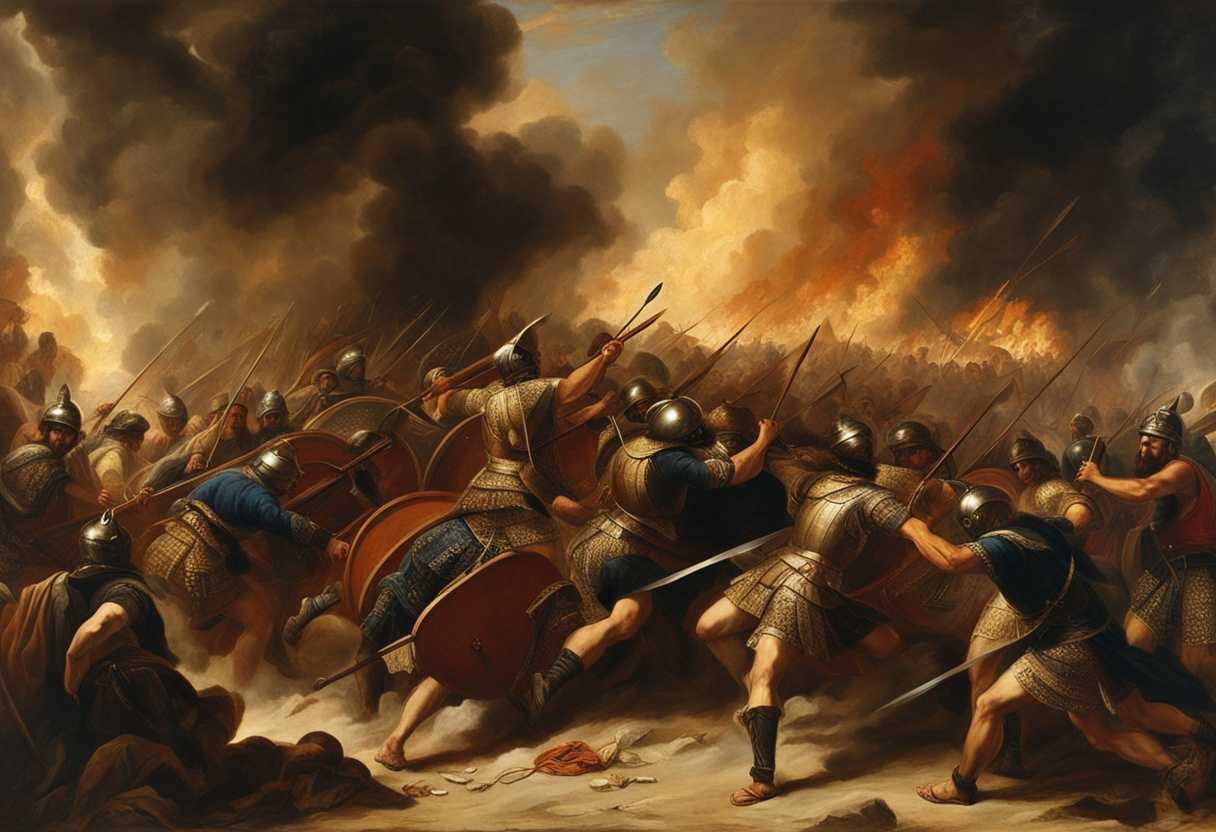
The True Meaning of Nahum 2
The book of Nahum was written by the prophet Nahum, who lived during the reign of King Hezekiah in Judah. Nahum’s message focuses on the impending destruction of the Assyrian capital city of Nineveh, which had long oppressed the people of Israel and Judah. Nahum vividly describes the coming judgment and downfall of Nineveh in this chapter. He paints a vivid picture of the city’s demise, using powerful imagery to convey the terror and devastation that will befall the once-mighty Assyrian empire. The chapter foreshadows the fulfillment of God’s promise to punish Nineveh for its cruelty and wickedness, as foretold in earlier prophetic writings such as the book of Jonah. We will witness the unfolding of God’s righteous judgment against Nineveh as we delve into this chapter. The prophet’s words serve as a stark reminder that the Lord will not tolerate the oppression and injustice perpetrated by the wicked, and that He will ultimately bring about their downfall in His perfect timing.
Nahum 2:1-4
The scatterer has come up against you in Nahum 2:1-4. Man the ramparts; watch the road; dress for battle; collect all your strength. For the Lord is restoring the majesty of Jacob as the majesty of Israel, for plunderers have plundered them and ruined their branches.”
Breaking down this verse, we see a call to action against the impending threat of the scatterer, who is coming up against the people of Nineveh. The people of Nineveh are instructed to man the ramparts, watch the road, and prepare themselves for battle. This imagery of battle and preparation for war is common in the Bible, symbolizing the spiritual battles believers face in their lives. Christians are encouraged to rely on the strength of the Lord in times of spiritual warfare, just as people are urged to collect all their strength in the face of physical enemies. This verse conveys the idea that believers should be vigilant and ready to defend their faith against the attacks of the enemy.
The mention of the Lord restoring the majesty of Jacob and Israel after they were plundered is significant. Throughout the Bible, we see a pattern of God’s restoration and redemption for His people. Despite their sins and the consequences they face, God promises restoration for those who repent and turn back to Him. The restoration of Israel and Jacob’s majesty is a testament to God’s faithfulness to His promises and His ability to bring beauty out of ashes. This theme of restoration and renewal is echoed throughout the Bible, culminating in the ultimate restoration found in the saving work of Jesus Christ.
The reference to plunderers having ruined their branches can be seen as a metaphor for the devastation brought upon the people of Nineveh by their enemies. Sin can act as a plunderer in our lives, ruining the fruitfulness and growth of our spiritual branches in the same way. This verse serves as a reminder of the destructive nature of sin and its consequences. However, it also points to the hope of restoration and renewal that comes from turning back to God and seeking His forgiveness. Nahum 2:1-4 conveys a message of preparation for spiritual battle, the promise of restoration, and the consequences of sin. It is a call to be vigilant, rely on the strength of the Lord, and trust in His ability to restore and renew His people. This message is timeless and relevant for believers today, reminding us to remain steadfast in our faith, seek restoration through repentance, and trust in God’s redemptive power.
Nahum 2:5-10
The text in Nahum 2:5-10 reads: “His nobles are remembered; they stumble as they go, they haste to the wall; and the siege tower is set up.” The river gates are opened, the palace melts away; its mistress is stripped; she is carried off, her slave girls lamenting, moaning like doves and beating their breasts. Nineveh is like a pool whose waters run away. ‘Halt! Halt!’ they cry, but none turns back. Plunder the silver, plunder the gold! There is no end of the treasure or wealth of every precious thing. Desolate! Desolation and ruin! Hearts melt and knees tremble; anguish is in all loins; all faces grow pale!”
The passage vividly describes the downfall of Nineveh, the capital of the Assyrian Empire. The imagery used here is powerful and evocative, painting a picture of chaos and destruction. The nobles, who were once proud and powerful, are now stumbling and hastening to protect themselves as the city is under siege. The river gates are opened, allowing the enemy to breach the city defenses. The palace, a symbol of wealth and power, is described as melting away, symbolizing the swift and complete destruction that is taking place. The queen, once adorned in riches, is now stripped of her finery and taken captive, along with her slave girls who mourn in despair.
This passage serves as a stark reminder of the consequences of pride, arrogance, and sin. Throughout the Bible, there are multiple instances where nations or individuals who turned away from God and embraced wickedness faced similar fates. The story of Nineveh is a lesson in the impermanence of earthly power and the inevitable judgment that comes to those who stray from God’s path. The fall of Nineveh also serves as a testament to God’s justice and ultimate authority over the affairs of mankind. All who reject God and His ways will face desolation and ruin, just as Nineveh did.
The themes of destruction and desolation in these verses also point to the broader biblical message of repentance and redemption. While Nineveh faced God’s judgment for its sins, there are numerous examples in the Bible where individuals or nations turned from their wicked ways and found forgiveness and restoration. The story of Jonah and the Ninevites is a prime example of this, where the people of Nineveh, upon hearing God’s warning through Jonah, repented of their sins, leading to God’s mercy and compassion being shown towards them (Jonah 3:10). Nahum 2:5-10 serves as a powerful reminder of the consequences of disobedience and the ultimate judgment that awaits those who defy God. It also highlights the importance of humility, repentance, and turning back to God in order to receive His mercy and forgiveness. God’s justice will prevail, ultimately underscoring the timeless message of the Bible that those who trust in Him will find redemption and salvation.
Nahum 2:11-13
The verses in Nahum 2:11-13 describe the impending judgment that Nineveh will face as a consequence of its sins. Let’s break down these verses into key sections for a detailed commentary.
Verse 11 begins with the warning that “The lion tore enough for his cubs”. This imagery symbolizes the predatory nature of the Assyrians, who were known for their fierce and aggressive tactics in war. The Assyrians had ruthlessly conquered many nations, bringing destruction and suffering in their wake. This is reminiscent of how the prophet Habakkuk describes the Babylonians in Habakkuk 1:8, likening them to “wolves who are impetuous and plundered nations.”
The verse continues with “and strangled prey for his lionesses.” Here, the prophet Nahum paints a vivid picture of the Assyrians mercilessly attacking and subduing their enemies, leaving devastation and ruin in their path. This imagery serves as a powerful warning to Nineveh, reminding them of the violence and cruelty they have inflicted on others, which will soon be turned back upon them. Nahum describes the impending judgment on Nineveh in the aftermath of the Assyrians’ conquering spree in Verse 12. The prophet declares, “The lion tore enough for his cubs and strangled prey for his lionesses; He filled his caves with prey and his dens with torn flesh.” This verse emphasizes the abundance of destruction and the spoils of war that the Assyrians had amassed through their conquests. However, despite their power and riches, they will not be able to escape the consequences of their actions.
Finally, Verse 13 serves as a conclusion to the prophecy against Nineveh. It states, “Behold, I am against you,” declares the Lord of hosts. This declaration signifies that God is actively opposed to the wickedness and evil deeds of Nineveh and the Assyrians. The Lord, in His righteousness and justice, will bring about judgment and punishment upon them for their sins. These verses from Nahum 2 serve as a poignant reminder of God’s sovereignty and justice overall. They underscore the principle that God will not let sin and wickedness go unpunished, and that ultimately, He will hold all individuals and nations accountable for their actions. The prophecy against Nineveh also highlights the theme of divine retribution, a recurring motif throughout the Bible, demonstrating the consequences of disobedience and unrepentant sin.
After Nahum 2
The once-mighty city of Nineveh lay in ruins, its grandeur and power reduced to ashes. The prophet Nahum had spoken the Lord’s judgment, and it had come to pass. Yet, even in the midst of this devastation, a glimmer of hope remained. For the Lord, in His infinite wisdom, had not abandoned His people. A new chapter was about to unfold as the smoke cleared and the dust settled, one that would test the faith of the faithful and challenge the hearts of the wayward. The road ahead was uncertain, but the Lord’s promise of redemption shone brighter than ever before.

Reverend Michael Johnson is an experienced Church Minister with a profound expertise in spirituality and guidance. With a serene presence and a compassionate heart, he has faithfully served his congregation for over 20 years, leading them on a spiritual journey towards inner peace and enlightenment. Reverend Johnson’s extensive knowledge of religious philosophies and profound understanding of human nature have made him a trusted confidant and mentor to many, as he seamlessly weaves his profound wisdom into life teachings. Reverend Johnson’s calming demeanor and empathetic nature continue to uplift and heal souls, nurturing a sense of unity and tranquility within his community.