
Nehemiah 11:7-9 is about the dedication and commitment of the people of Israel to repopulate and rebuild Jerusalem, as they volunteered to dwell in the city and fulfill their responsibilities in serving God and maintaining the sacred space.
7 And these are the sons of Benjamin: Sallu the son of Meshullam, son of Joed, son of Pedaiah, son of Kolaiah, son of Maaseiah, son of Ithiel, son of Jeshaiah.
8 And after him Gabbai, Sallai, nine hundred twenty-eight.
9 And Joel the son of Zichri was their overseer; and Judah the son of Hassenuah was second over the city.
Setting the Scene for Nehemiah 11:7-9
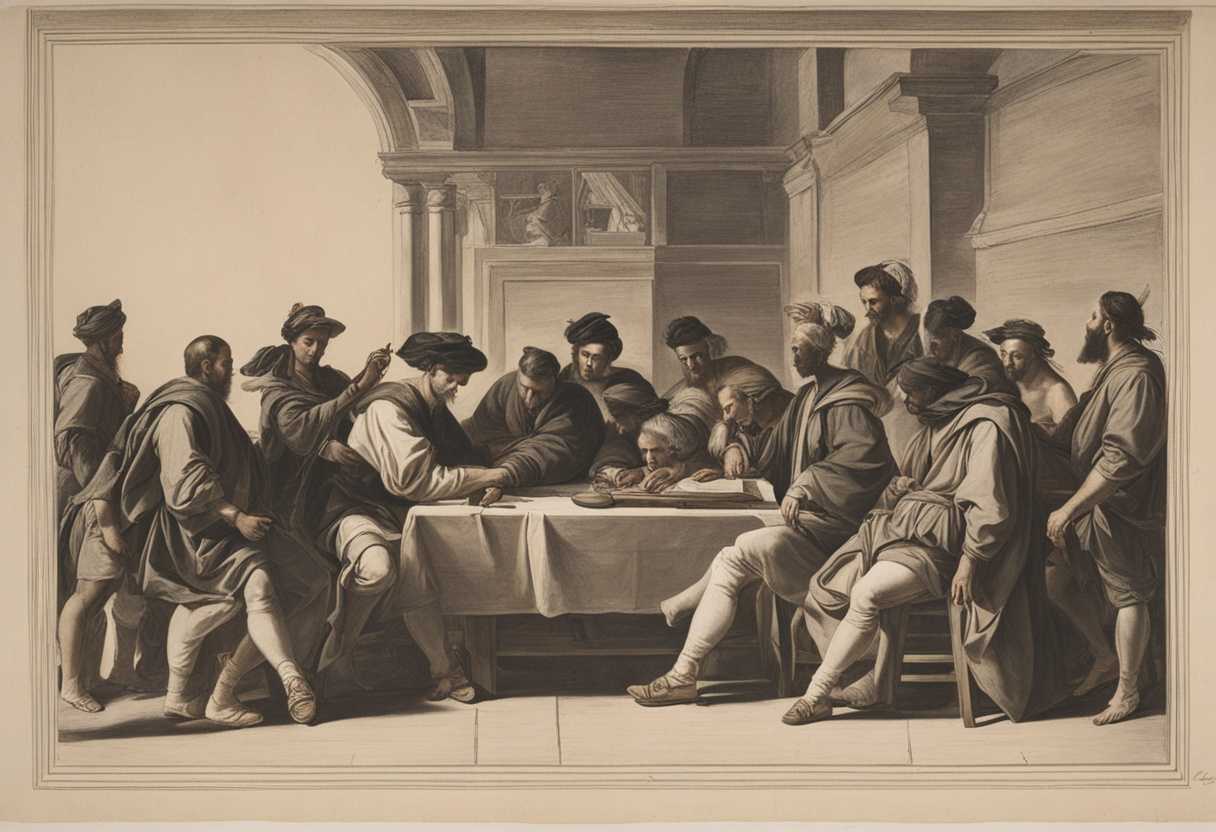
In Nehemiah 11:7-9, we find a scene set in Jerusalem after the city had been rebuilt following the Babylonian exile. The focus is on the leaders and inhabitants who were chosen to dwell in the city. Nehemiah, the governor appointed by the Persian king, had led the efforts to rebuild the walls of Jerusalem, and now the city was being repopulated.
The scene unfolds in the newly restored city, with Nehemiah overseeing the selection process for those who would reside within its walls. The names of the leaders mentioned in these verses, including Sallu, Judah, and Benjamin, were among those who volunteered to live in Jerusalem. These individuals were committed to the restoration and protection of the city, recognizing its significance as the spiritual and political center of the Jewish people.
Surrounded by the newly reconstructed walls and gates, Nehemiah and the chosen leaders gathered to allocate living spaces and establish order in the repopulated city. The atmosphere was one of determination and dedication, as they sought to fulfill their roles in maintaining the city and upholding its religious and cultural heritage. This scene captures a pivotal moment in the history of Jerusalem, as its inhabitants rallied together to ensure its revival and continued significance in the life of the Jewish community.
What is Nehemiah 11:7-9 about?
This verse signifies the importance of leadership and unity in times of rebuilding and restoration. It highlights how various individuals came together, with their unique skills and positions, to contribute towards the reconstruction of Jerusalem. Listing the names of these leaders recognizes their roles and responsibilities and signifies the significance of each person’s contribution.
Through this verse, we can reflect on the power of collective effort and collaboration in achieving a common goal. It prompts us to appreciate the diverse talents and roles that different individuals bring to the table when working towards a shared vision. The verse also serves as a reminder of the importance of strong leadership in guiding communities through times of transformation and renewal. It challenges us to consider how we can also play a role in leadership and unity within our own communities, especially during times of rebuilding and restoration. Think about the leaders in your own life and community who have guided you through challenges and contributed to positive change as you ponder upon these verses. Consider stepping up as a leader, using your unique talents and skills to help rebuild and strengthen the community around you. Reflect on the power of unity and collaboration in achieving common goals, and the role that each individual plays in building a better future together.
Understanding what Nehemiah 11:7-9 really means
Nehemiah 11:7-9, nestled within the Book of Nehemiah, unveils a poignant narrative of the descendants of Benjamin who resettled in Jerusalem post the Babylonian exile. This passage serves as a testament to the enduring significance of community and heritage in shaping the identity of a people. The mention of individuals like “Sallu son of Meshullam” underscores the profound value placed on lineage and tradition within the Jewish community, illustrating the unbroken thread of faith passed down through generations.
Moreover, the designation of “Joel son of Zikri as their chief officer” sheds light on the crucial aspect of leadership and accountability within a community. Joel’s role as a chief officer signifies not only his authority but also the vital role of governance and order in maintaining the cohesion of the society. Similarly, the appointment of “Judah son of Hassenuah over the Second District of the city” highlights the structured administrative divisions within Jerusalem, showcasing the meticulous organization that underpinned the community’s functioning.
Drawing parallels with related biblical passages such as Ezra 2:1-2 and 1 Chronicles 9:3-9, we witness a recurring theme of restoration, rebuilding, and the enumeration of the inhabitants of Jerusalem. These passages collectively emphasize the intrinsic connection between community, heritage, and the enduring legacy of a people. In Nehemiah 7:6-73, the groundwork is laid for the detailed account in Nehemiah 11, setting the stage for a comprehensive depiction of the repopulation of Jerusalem post-exile.
In a contemporary context, the themes encapsulated in Nehemiah 11:7-9 resonate deeply with modern-day aspirations and challenges. The innate human desire for community and belonging mirrors the Israelites’ quest for identity and purpose within their communal setting. The roles of leaders like Joel and Judah serve as a poignant reminder of the significance of leadership and the imperative of shouldering responsibility within our respective communities. Furthermore, the emphasis on heritage and continuity underscores the profound impact of understanding our roots in shaping our sense of self and fostering a continuum of tradition.
To elucidate the enduring relevance of Nehemiah 11:7-9, envision a scenario where a town ravaged by a calamity rallies together for its restoration. Each family contributes its expertise and resources, while emerging leaders orchestrate the collective efforts, culminating in the town’s revival. This narrative mirrors the Israelites’ journey back to Jerusalem, underscoring the transformative power of community solidarity and collaborative endeavor in overcoming adversity and rebuilding anew.
In essence, Nehemiah 11:7-9, though seemingly a mere catalog of names, encapsulates profound truths about the essence of community, the essence of leadership, and the essence of heritage. It beckons us to reflect on the timeless principles of unity, responsibility, and reverence for our origins, resonating as strongly today as it did in the ancient annals of Jerusalem.
In what ways can we recommit to serving God?
We can recommit to serving God by offering ourselves wholeheartedly in service to Him. This means surrendering our will and desires to God, allowing Him to use us for His purposes and glory. It involves a willingness to act with obedience, faithfulness, and diligence in carrying out His will and following His teachings. We acknowledge His sovereignty in our lives and demonstrate our love and dedication to Him by committing to serving God wholeheartedly.
Another way we can recommit to serving God is by being actively involved in carrying out His work and spreading His message. This can include participating in ministries, serving in our communities, sharing the Gospel with others, and being a light in the world. We can make a meaningful impact and bring glory to His name by using our gifts, talents, and resources for God’s kingdom. Through our actions and words, we can demonstrate our commitment to serving God and fulfilling His purposes on earth.
Additionally, we can recommit to serving God by seeking Him daily through prayer, reading His Word, and cultivating a personal relationship with Him. We can grow in our faith, knowledge, and understanding of God by prioritizing our relationship with Him and spending time in His presence. This intimate connection with God will deepen our commitment to serving Him and empower us to live a life that is pleasing to Him. God will equip and strengthen us to serve Him faithfully and effectively in all that we do as we draw near to Him.
Application
Let’s be like the dedicated citizens of Jerusalem, ready to play our part in our communities and bring positive change. We are called to be active participants in the life of our neighborhoods, contributing our skills, time, and support. Are you prepared to step forward and make an impact where you are needed most?

Reverend Michael Johnson is an experienced Church Minister with a profound expertise in spirituality and guidance. With a serene presence and a compassionate heart, he has faithfully served his congregation for over 20 years, leading them on a spiritual journey towards inner peace and enlightenment. Reverend Johnson’s extensive knowledge of religious philosophies and profound understanding of human nature have made him a trusted confidant and mentor to many, as he seamlessly weaves his profound wisdom into life teachings. Reverend Johnson’s calming demeanor and empathetic nature continue to uplift and heal souls, nurturing a sense of unity and tranquility within his community.