
Nehemiah 1:1-7 is about Nehemiah expressing deep sorrow and prayer to God for the plight of his people in exile and seeking forgiveness for their sins.
1 The words of Nehemiah the son of Hacaliah. Now it happened in the month of Chislev, in the twentieth year, as I was in Susa the citadel,
1 that Hanani, one of my brothers, came with certain men from Judah. And I asked them concerning the Jews who escaped, who had survived the exile, and concerning Jerusalem.
3 And they said to me, “The remnant there in the province who had survived the exile is in great trouble and shame. The wall of Jerusalem is broken down, and its gates are destroyed by fire.”
4 As soon as I heard these words I sat down and wept and mourned for days, and I continued fasting and praying before the God of heaven.
5 And I said, “O Lord God of heaven, the great and awesome God who keeps covenant and steadfast love with those who love him and keep his commandments,
6 let your ear be attentive and your eyes open, to hear the prayer of your servant that I now pray before you day and night for the people of Israel your servants, confessing the sins of the people of Israel, which we have sinned against you. Even I and my father’s house have sinned.
7 We have acted very corruptly against you and have not kept the commandments, the statutes, and the rules that you commanded your servant Moses.
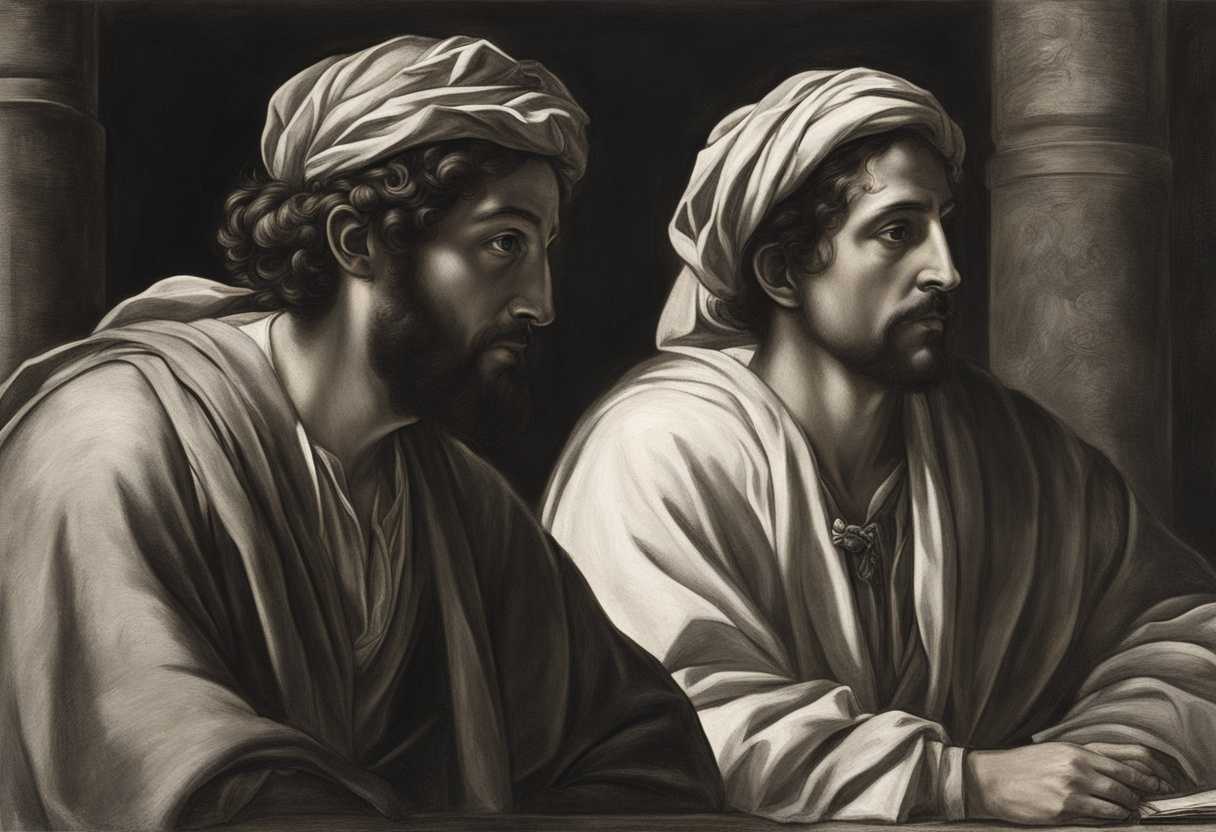
Setting the Scene for Nehemiah 1:1-7
The scene in Nehemiah chapter 1 opens with Nehemiah, a Jewish cupbearer to the Persian king Artaxerxes, in the citadel of Susa. Nehemiah had received a visit from some men who had just arrived from Judah. These men brought news of the dire situation in Jerusalem, the city of Nehemiah’s ancestors. The walls of Jerusalem were broken down, and its gates had been burned with fire. This news deeply troubled Nehemiah, and he was moved to pray and seek God’s guidance on how he could help his people.
Surrounded by the opulence of the Persian court, Nehemiah’s heart was heavy with concern for the state of his homeland. The citadel of Susa was a grand palace complex, filled with luxurious gardens, ornate buildings, and bustling with court officials and servants. Despite the comfort and security of his position as the king’s cupbearer, Nehemiah’s thoughts were consumed with the plight of his people in Jerusalem. As he prayed and fasted, Nehemiah poured out his heart to God, confessing the sins of the Israelites and seeking God’s favor in helping to restore Jerusalem.
In this poignant moment, Nehemiah’s faith and devotion to his people shine through as he intercedes on behalf of the nation of Israel. The scene sets the stage for Nehemiah’s eventual journey to Jerusalem, where he would lead the efforts to rebuild the walls and restore the city to its former glory.
What is Nehemiah 1:1-7 about?
Nehemiah demonstrates humility, repentance, and a deep trust in God’s power to bring about restoration in this verse. Through his prayer, Nehemiah acknowledges the sins of his people and takes responsibility for them. He not only seeks forgiveness but also shows a sincere desire for renewal and transformation by confessing these sins. This act of confessing sins and seeking God’s favor highlights the importance of humility in prayer and reminds us of our constant need for God’s guidance and grace. We reflect on Nehemiah’s prayer, encouraging us to examine our own lives and consider if there are areas where we need to confess our sins and seek God’s forgiveness. Are there ways in which we have strayed from God’s path and need to realign our hearts with His will? Nehemiah’s example challenges us to approach God with humility, honesty, and a fervent desire for restoration. Through prayer, we can seek God’s favor and guidance, trusting in His power to transform our lives and bring about renewal in our communities. Nehemiah’s prayer ultimately serves as a powerful reminder of the importance of seeking God’s forgiveness and guidance in times of need. It invites us to reflect on our own relationship with God, repent of any sins that may be hindering our spiritual growth, and place our trust in His ability to bring about restoration and renewal. May we learn from Nehemiah’s example and approach God with humble hearts, seeking His favor and guidance in all aspects of our lives.
Understanding what Nehemiah 1:1-7 really means
Nehemiah 1:1-7 introduces us to Nehemiah, a Jewish exile serving as a cupbearer to the Persian king Artaxerxes. This passage lays the foundation for Nehemiah’s mission to rebuild Jerusalem’s walls, showcasing his deep concern for his homeland and people. It is a pivotal chapter that delves into themes of leadership, repentance, and divine intervention.
“The words of Nehemiah son of Hacaliah” establishes Nehemiah’s identity and lineage, grounding the narrative in historical context. His inquiry about the Jewish remnant and Jerusalem reveals his proactive concern and sense of responsibility for his people. When Nehemiah hears of the distressing state of Jerusalem, he responds with deep emotion, mourning, fasting, and prayer before the God of heaven. This highlights the importance of empathy and seeking divine guidance in times of crisis.
Nehemiah’s fervent prayer, pleading for God’s attention day and night, exemplifies the value of persistent supplication. His confession of sins, including those of his family and the Israelites, demonstrates humility and collective responsibility. This underscores the significance of repentance in seeking reconciliation with God.
Related biblical passages such as Daniel 9:3-19, Ezra 9:5-15, and Psalm 51 echo Nehemiah’s themes of confession, intercessory prayer, and repentance. These parallels emphasize the power of seeking God’s mercy and forgiveness both individually and as a community.
In today’s context, Nehemiah’s example offers valuable lessons for leaders. His proactive approach, empathy towards his people, and dedication to prayer and repentance serve as a model for modern leadership. By embodying these qualities, leaders can address societal issues with compassion, integrity, and a reliance on spiritual guidance.
Imagine a contemporary community leader faced with a crisis in their hometown. By following Nehemiah’s example of deep understanding, empathy, and a blend of practical and spiritual solutions, they can inspire positive change and unity within their community.
In conclusion, Nehemiah 1:1-7 imparts timeless wisdom on leadership, empathy, and the power of prayer. By reflecting on Nehemiah’s response to adversity, we can learn to approach challenges with compassion, repentance, and a steadfast commitment to seeking God’s guidance in all endeavors.
What can we learn from Nehemiah’s prayer life?
From Nehemiah’s prayer life, we can learn the importance of seeking God in times of distress and need. Nehemiah did not hesitate to turn to God for help and guidance when he was faced with a difficult situation. His immediate reaction was to enter into prayer, seeking the wisdom and favor of the Lord. This shows us the value of approaching God first in times of trouble, acknowledging our reliance on Him for help.
Additionally, Nehemiah’s prayer demonstrates a posture of humility and repentance. He not only prayed for the situation at hand but also confessed his own sins and the sins of his people. This reveals a heart that is contrite and willing to seek forgiveness and restoration with God. It teaches us the importance of acknowledging our own shortcomings and seeking reconciliation with God through prayer and repentance. Nehemiah’s prayer reflects a deep faith and trust in God’s power and faithfulness. He approached God with confidence, knowing that God is able to intervene and bring about change in his circumstances. This encourages us to approach God with boldness and faith, believing that He is able to answer our prayers and work in ways that are beyond our understanding.
Application
Let’s be like Nehemiah, passionately praying for our work and family. Let us shed tears, fast, and acknowledge the challenges facing our communities, just as he did. Let’s not ignore the struggles but humbly seek God’s help, believing in His ability to bring change. Will you stand with me in prayer, trusting in God’s transformative power to make a difference in our world?

Reverend Michael Johnson is an experienced Church Minister with a profound expertise in spirituality and guidance. With a serene presence and a compassionate heart, he has faithfully served his congregation for over 20 years, leading them on a spiritual journey towards inner peace and enlightenment. Reverend Johnson’s extensive knowledge of religious philosophies and profound understanding of human nature have made him a trusted confidant and mentor to many, as he seamlessly weaves his profound wisdom into life teachings. Reverend Johnson’s calming demeanor and empathetic nature continue to uplift and heal souls, nurturing a sense of unity and tranquility within his community.