
1 And all the people gathered as one man into the square before the Water Gate. And they told Ezra the scribe to bring the Book of the Law of Moses that the Lord had commanded Israel.
2 And Ezra the priest brought the Law before the assembly, both men and women and all who could understand what they heard, on the first day of the seventh month.
3 And he read from it facing the square before the Water Gate from early morning until midday, in the presence of the men and the women and those who could understand. And the ears of all the people were attentive to the Book of the Law.
4 And Ezra the scribe stood on a wooden platform that they had made for the purpose.
5 And Ezra opened the book in the sight of all the people, for he was above all the people, and as he opened it all the people stood.
6 And Ezra blessed the Lord, the great God, and all the people answered, “Amen, Amen,” lifting up their hands. And they bowed their heads and worshiped the Lord with their faces to the ground.
7 Also Jeshua, Bani, Sherebiah, Jamin, Akkub, Shabbethai, Hodiah, Maaseiah, Kelita, Azariah, Jozabad, Hanan, Pelaiah, the Levites, helped the people to understand the Law, while the people remained in their places.
8 They read from the book, from the Law of God, clearly, and they gave the sense, so that the people understood the reading.
9 And Nehemiah, who was the governor, and Ezra the priest and scribe, and the Levites who taught the people said to all the people, “This day is holy to the Lord your God; do not mourn or weep.” For all the people wept as they heard the words of the Law.
10 Then he said to them, “Go your way. Eat the fat and drink sweet wine and send portions to anyone who has nothing ready, for this day is holy to our Lord. And do not be grieved, for the joy of the Lord is your strength.”
11 So the Levites calmed all the people, saying, “Be quiet, for this day is holy; do not be grieved.”
12 And all the people went their way to eat and drink and to send portions and to make great rejoicing, because they had understood the words that were declared to them.
13 On the second day the heads of fathers’ houses of all the people, with the priests and the Levites, came together to Ezra the scribe in order to study the words of the Law.
14 And they found it written in the Law that the Lord had commanded by Moses that the people of Israel should dwell in booths during the feast of the seventh month,
15 And that they should proclaim it and publish it in all their towns and in Jerusalem, “Go out to the hills and bring branches of olive, wild olive, myrtle, palm, and other leafy trees to make booths, as it is written.”
16 So the people went out and brought them and made booths for themselves, each on his roof, and in their courts and in the courts of the house of God, and in the square at the Water Gate and in the square at the Gate of Ephraim.
17 And all the assembly of those who had returned from the captivity made booths and lived in the booths, for from the days of Jeshua the son of Nun to that day the people of Israel had not done so. And there was very great rejoicing.
18 And day by day, from the first day to the last day, he read from the Book of the Law of God. They kept the feast seven days, and on the eighth day there was a solemn assembly, according to the rule.
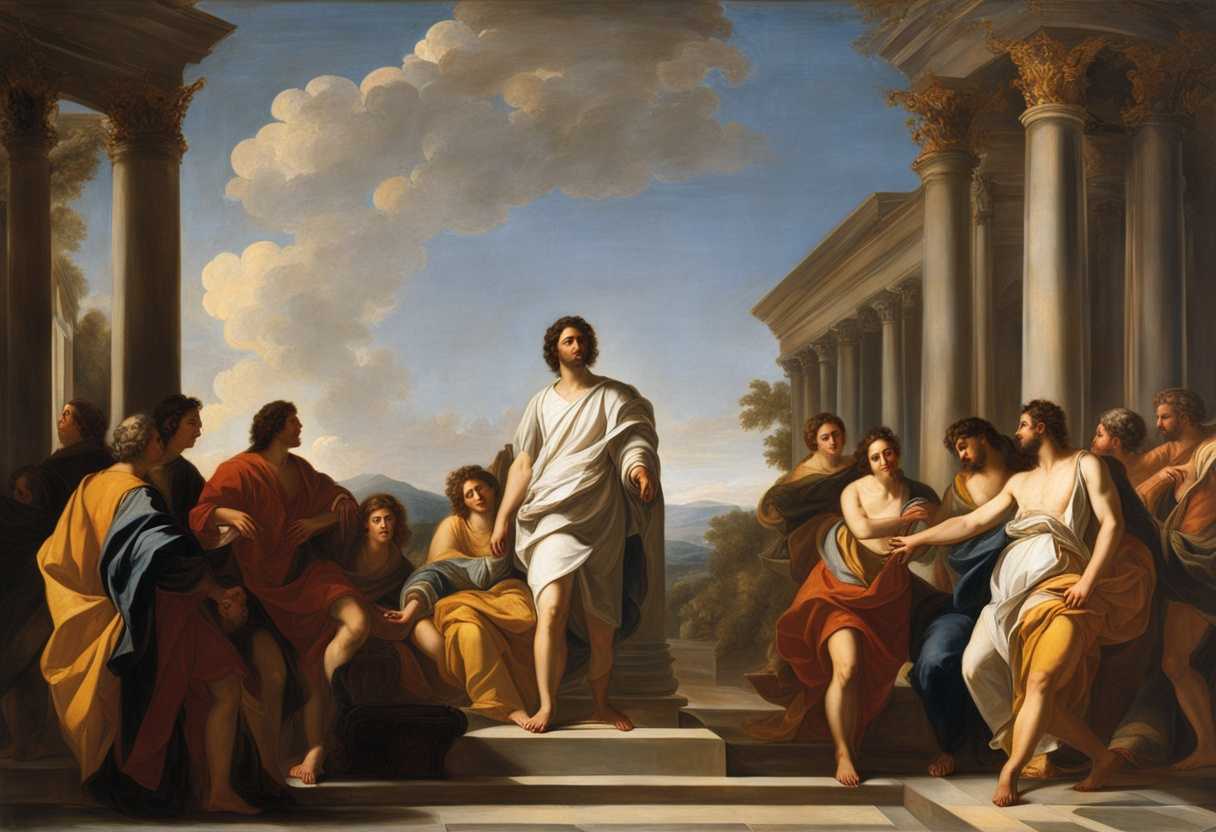
The True Meaning of Nehemiah 8
The book of Nehemiah was written by the prophet Nehemiah, who served as a cupbearer to the Persian king Artaxerxes. Nehemiah was a dedicated servant of God, tasked with rebuilding the walls of Jerusalem and restoring the spiritual life of the people. The Israelites gather to hear the reading of the Law of Moses, marking a pivotal moment in their history. After years of exile and hardship, the people have returned to their homeland and are eager to reconnect with their faith. The events that unfold in this passage will set the stage for a profound spiritual revival, as the people rediscover the importance of obedience to God’s commands and the need for repentance. As we delve into this chapter, the people reflect their deep desire to understand and follow God’s will through their response to the reading of the Law. This passage also highlights the crucial role of the Levites, who serve as teachers and interpreters, helping the people to grasp the significance of the Scriptures. Additionally, we’ll witness the people’s joyful celebration of the Feast of Tabernacles, a reminder of God’s faithfulness and provision throughout their history.
Nehemiah 8:1-3
The first section in Nehemiah 8:1-3 describes the assembly of the people in Jerusalem on the first day of the seventh month. This gathering was significant as it brought together both men and women, showing that the message being delivered was intended for everyone, highlighting the inclusivity of the community. The presence of men, women, and all who could understand as Ezra the priest read from the Law was a testament to the importance of the word of God being accessible to all, regardless of gender or status.
Ezra the scribe stood on a wooden platform that had been constructed for the occasion, signifying the elevation of the Word of God above all else. This act of physically lifting up the Scriptures demonstrates reverence and respect for the Word of God in the eyes of the people. It symbolizes the exaltation of God’s teachings above worldly matters, emphasizing the centrality of Scripture in the lives of the believers. The congregation stood up as Ezra opened the book in the sight of all the people. This act of standing in reverence is significant as it reflects the honor and esteem accorded to the Word of God. It shows a posture of respect, humility, and submission before the Scriptures, acknowledging the authority and sacredness of God’s word. The act of standing also denotes readiness and attentiveness to receive the teachings and instructions found in the Scriptures.
This passage in Nehemiah 8 underscores the importance of the Word of God in the lives of believers. It highlights the significance of gathering together as a community to hear, understand, and apply the Scriptures. The reverence shown towards the reading of the Law sets an example for believers today, reminding them to approach God’s word with respect, humility, and attentiveness. This event lays the foundation for the renewal of the covenant between God and His people, emphasizing the vital role of Scripture in guiding and instructing believers in their faith journey.
The scene depicted in Nehemiah 8:1-3 resonates with other passages in the Bible that emphasize the centrality of the Word of God in the lives of believers. Scripture highlights the guiding and illuminating role of God’s word in our lives, as written in Psalm 119:105, “Your word is a lamp to my feet and a light to my path.” Likewise, in 2 Timothy 3:16-17, it is stated that “all Scripture is breathed out by God and profitable for teaching, for reproof, for correction, and for training in righteousness, that the man of God may be complete, equipped for every good work”, underlining the transformative power of God’s word in shaping and molding believers for His purposes.
Nehemiah 8:4-6
A significant moment in the restoration of the people of Israel after their return from exile is seen in Nehemiah 8:4-6. Let’s break down this verse into important sections and provide commentary on each section.
First, in verse 4, we read, “Ezra the teacher of the Law stood on a high wooden platform built for the occasion.” Here, we are introduced to Ezra, who was a scribe and priest well-versed in the Law of Moses. Ezra’s role as a teacher of the Law was crucial in this context as the people had returned to Jerusalem and needed guidance and instruction in God’s laws to rebuild their lives and establish their identity as the people of God. Ezra’s position on a high wooden platform symbolizes his authority and his role as a teacher communicating God’s word to the people.
Moving on to verse 5, it states, “Ezra opened the book. All the people could see him because he was standing above them; and as he opened it, the people all stood up.” This action of Ezra opening the book of the Law signifies the importance of God’s word in the life of the community. The people stand as a sign of reverence for the Word of God, acknowledging its authority in their lives. This gesture also reflects a sense of humility and submission before the Lord.
Lastly, in verse 6, we read, “Ezra praised the Lord, the great God, and all the people lifted their hands and responded, ‘Amen! Amen!’ Then they bowed down and worshiped the Lord with their faces to the ground.” This moment of worship and praise demonstrates the people’s recognition of God’s greatness and their commitment to Him. The response of “Amen! Amen!” signifies their agreement with Ezra’s words and their desire to align themselves with God’s will. The act of bowing down and worshiping with faces to the ground symbolizes their humility and reverence before the Lord.
This passage from Nehemiah 8:4-6 highlights the importance of God’s Word, the role of spiritual leaders in teaching and guiding the community, and the significance of worship and praise in the life of believers. It emphasizes the need for studying God’s Word, responding to it with reverence and obedience, and worshiping Him with sincerity and humility. Psalm 119:105 states, “Your word is a lamp for my feet, a light on my path,” showing parallels in the importance of God’s Word and worship with other verses in the Bible.” Just as Ezra opened the book of the Law to guide the people, the Word of God serves as a light that illuminates our path and gives us direction in life. Additionally, in John 4:24, Jesus says, “God is spirit, and his worshipers must worship in the Spirit and in truth.” This verse underscores the essence of sincere worship and reverence towards God, which we see reflected in the actions of the people in Nehemiah 8:6.
Nehemiah 8:7-8
Ezra, a scribe and priest, along with other Levites, read from the Book of the Law of Moses to the assembly, helping the people understand the law in Nehemiah 8:7-8. Let’s break down this verse into important sections and discuss their deeper meanings in the context of Nehemiah 8.
Section 1: “The Levites helped the people to understand the Law, while the people remained in their places. Ezra and the Levites in this section play a crucial role in facilitating the understanding of the Law for the people. The Levites acted as teachers, explaining the meaning of the text to ensure the people comprehended its teachings clearly. This emphasis on comprehension underscores the importance of not only hearing the Word but also grasping its significance. The commitment of the Levites to help the people understand the Law reflects the value of teaching and making the Word accessible to all. This act of teaching and studying the Scripture in a communal setting highlights the importance of education and shared learning within the community of believers.
Section 2: “They read from the Book of the Law of God, making it clear and giving the meaning so that the people understood what was being read.”
This section emphasizes the importance of clarity and understanding when it comes to the Word of God. The reading of the Scripture was not merely a ritualistic act but was done with the intention of ensuring that the listeners grasped the meaning behind the text. This practice of explaining the Scriptures ties back to the Levites’ role in guiding the people in comprehending the Law. It reinforces the idea that the Word of God is meant to be understood and applied in everyday life. This passage highlights the transformative power of God’s Word when it is not only heard but also comprehended and internalized by the believers. Believers are encouraged in verses like 2 Timothy 2:15 to “Do your best to present yourself to God as one approved, a worker who does not need to be ashamed and who correctly handles the word of truth,” aligning with the moment in Nehemiah 8 in the broader context of the Bible.” Just as Ezra and the Levites diligently aimed to present the Law clearly to the people, believers are called to study and understand the Word of God to live according to its teachings. Nehemiah 8:7-8 showcases the significance of teaching, understanding, and applying the Word of God within the community of believers. It underscores the transformative power of the Scriptures when they are read, explained, and comprehended. This passage serves as a reminder for believers to engage with the Word of God not only through hearing it but also through seeking a deeper understanding of its teachings, ultimately leading to a life that reflects God’s truth and wisdom.
Nehemiah 8:9-12
Ezra the scribe reads the Law to the gathered people of Israel in Jerusalem in Nehemiah 8:9-12. Let’s break down this passage into important sections and examine their significance:
-
“Then Nehemiah the governor, Ezra the priest and teacher of the Law, and the Levites who were instructing the people said to them all, ‘This day is holy to the Lord your God. Do not mourn or weep.’ For all the people had been weeping as they listened to the words of the Law.” – This section highlights the emotional response of the Israelites upon hearing the words of the Law. It shows their deep remorse for their past sins and their realization of how far they had strayed from God’s commands. Nehemiah, Ezra, and the Levites recognized the people’s distress but reminded them that this was a day of celebration and repentance, a time to turn back to God and seek His forgiveness.
-
“Then he said to them, ‘Go your way, eat the fat, drink the sweet, and send portions to those for whom nothing is prepared; for this day is holy to our Lord. Do not sorrow, for the joy of the Lord is your strength.” – Here, Ezra encourages the people to rejoice and find strength in the joy of the Lord. Despite their past failings, this was a day to celebrate the goodness and mercy of God. The Israelites were practicing the principles of generosity and compassion, foundational to their faith, by sharing their blessings with those less fortunate.
-
“And all the people went their way to eat and drink, to send portions and rejoice greatly because they understood the words that were declared to them.” – This final section reveals the transformation that took place among the people after hearing the words of the Law. Their initial sorrow and weeping were replaced by joy and understanding. They found true happiness and unity as a community by embracing the teachings of the Law, strengthened by their shared commitment to following God’s commands.
The passage in Nehemiah 8:9-12 underscores the importance of repentance, celebration, and community in the life of faith. It teaches us that while recognizing our sins and failures is crucial, we should not dwell in sorrow but instead find strength in the joy that comes from the Lord. Through the act of sharing with others and rejoicing together in the truth of God’s Word, we cultivate a spirit of unity and love that honors Him.
This scene in Nehemiah is reminiscent of the importance of the Word of God in the lives of believers. The verse in Psalm 119:105 states, “Your word is a lamp to my feet and a light to my path.”” Just as the Israelites found clarity and understanding in the words of the Law, we too can find guidance and wisdom in Scripture as we navigate through life’s challenges and joys. The joy of the Lord truly is our strength, and it is in Him that we find purpose, hope, and salvation.
Nehemiah 8:13-15
Ezra the teacher gathered around him the heads of all the families, along with the priests and the Levites, to give attention to the words of the Law on the second day of the month in Nehemiah 8:13-15. They found written in the Law, which the Lord had commanded through Moses, that the Israelites were to live in temporary shelters during the festival of the seventh month and that they should proclaim this word and spread it throughout their towns and in Jerusalem: ‘Go out into the hill country and bring back branches from olive and wild olive trees, and from myrtles, palms and shade trees, to make temporary shelters’—as it is written.” This passage depicts an important moment in the spiritual renewal of the Israelites under the leadership of Ezra and Nehemiah.
Upon hearing the words of the Law, the people gathered together, signifying a sense of unity and reverence for God’s commands. The fact that the heads of all the families, priests, and Levites came together emphasizes the inclusivity and the collective responsibility that the community had towards obeying and understanding the Law. This act of gathering around Ezra, who was a scribe and skilled in the Law of Moses, highlights the importance of teaching, leadership, and the transmission of knowledge within the community of believers. The role of teachers and leaders in guiding others towards a deeper understanding of God’s word is crucial in nurturing spiritual growth among believers.
The instruction found in the Law about living in temporary shelters during the festival of the seventh month was a reminder to the Israelites of their journey through the wilderness after the exodus from Egypt. This practice was intended to help them remember God’s provision, protection, and faithfulness during that time. The Israelites were able to experience a tangible connection to their history and foster a sense of gratitude and dependence on God by following this commandment. This act of living in temporary shelters was not merely a ritual but a way to cultivate a deeper spiritual awareness and appreciation for God’s blessings in their lives.
The mention of gathering branches from various trees to construct these temporary shelters symbolizes the diversity and richness of God’s creation. Each tree mentioned carries its own symbolic significance, representing various aspects of life and growth. The use of different types of branches to build the shelters reinforces the idea of unity in diversity within the community of believers. This practice served as a communal and tangible expression of faith, obedience, and thanksgiving towards God for His provision and guidance.
Nehemiah 8:16-18
The verse in Nehemiah 8:16-18 describes the people of Israel obeying the command to celebrate the Feast of Tabernacles. This feast was a significant event in the Jewish calendar, commemorating the Israelites’ time in the wilderness after their exodus from Egypt. It was a time of thanksgiving for the harvest and a reminder of God’s provision and protection during their journey.
The Feast of Tabernacles was a joyful and celebratory occasion, lasting for seven days, where the Israelites lived in temporary shelters or booths made from branches. It was a time of unity and remembrance, as the Israelites reflected on their history and God’s faithfulness to them throughout the generations.
The obedience of the Israelites in observing this feast is significant because it showed their commitment to following God’s commands as outlined in the Law. Even after facing challenges and opposition during the rebuilding of the walls of Jerusalem, they still prioritized honoring God through obedience and celebration.
This act of obedience emphasizes the importance of remembering God’s faithfulness and provision in our lives, even during difficult times. It serves as a reminder to us today to continue to trust in God and celebrate His goodness, regardless of our circumstances. Leviticus 23:33-43 details the Feast of Tabernacles, including instructions on how to celebrate it. This feast is a recurring theme throughout the Bible, highlighting the significance of remembering God’s provision and faithfulness. The Israelites’ observance of this feast in Nehemiah 8 reflects their commitment to honoring God’s commands and traditions.
After Nehemiah 8
The words of the Law stirred their hearts as the people listened intently. They wept with joy, for they had rediscovered the truth that had been lost. Nehemiah, the governor, and Ezra, the priest, encouraged the people to celebrate and rejoice, for this was a day of great significance. The people’s newfound understanding of God’s commands would guide them in the days to come, as they sought to rebuild not only the walls of Jerusalem, but also their relationship with the Almighty.
The chapter had come to a close, but the journey was far from over. The people now stood at a crossroads, facing the challenge of putting their newfound knowledge into practice. Would they heed the call to obedience and faithfulness, or would they once again stray from the path? The next chapter would reveal the choices they made and the consequences that followed.

Reverend Michael Johnson is an experienced Church Minister with a profound expertise in spirituality and guidance. With a serene presence and a compassionate heart, he has faithfully served his congregation for over 20 years, leading them on a spiritual journey towards inner peace and enlightenment. Reverend Johnson’s extensive knowledge of religious philosophies and profound understanding of human nature have made him a trusted confidant and mentor to many, as he seamlessly weaves his profound wisdom into life teachings. Reverend Johnson’s calming demeanor and empathetic nature continue to uplift and heal souls, nurturing a sense of unity and tranquility within his community.