
Nehemiah 8:16-18 is about the Israelites obeying the command to celebrate the Feast of Tabernacles by dwelling in booths to remember God’s faithfulness in delivering them from Egypt and providing for them in the wilderness.
16 So the people went out and brought them and made booths for themselves, each on his roof, and in their courts and in the courts of the house of God, and in the square at the Water Gate and in the square at the Gate of Ephraim.
17 And all the assembly of those who had returned from the captivity made booths and lived in the booths, for from the days of Jeshua the son of Nun to that day the people of Israel had not done so. And there was very great rejoicing.
18 And day by day, from the first day to the last day, he read from the Book of the Law of God. They kept the feast seven days, and on the eighth day there was a solemn assembly, according to the rule.
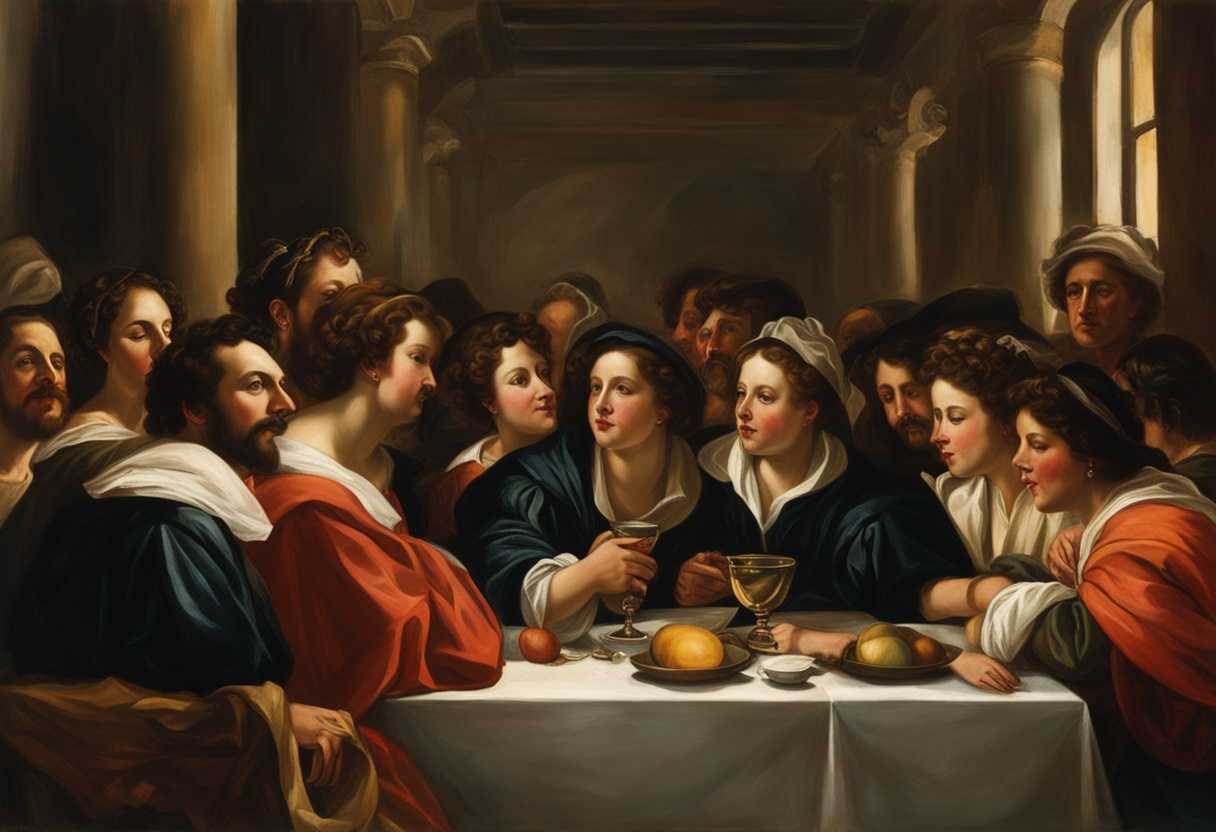
Setting the Scene for Nehemiah 8:16-18
In Nehemiah 8:16-18, the scene is set in Jerusalem during the time of the Israelites’ return from exile in Babylon. The people have gathered in the city square before the Water Gate, a significant location in Jerusalem, to hear Ezra the scribe read from the Book of the Law of Moses. The square is bustling with activity as men, women, and children have come together to listen to the words of the Lord.
The Israelites have been in exile for many years, and this moment is a significant one as they are reunited with their sacred scriptures and are able to hear the word of God once again. The atmosphere is one of reverence and anticipation as Ezra reads from the scroll, with the Levites standing among the people to help them understand the words being proclaimed. The scene is filled with a sense of unity and devotion as the Israelites stand together, listening intently to the teachings of their faith.
As the people listen to the words of the Law, they are moved to tears by the realization of how far they have strayed from God’s commandments. Yet, Nehemiah, the governor, Ezra, the priest and scribe, and the Levites encourage them to rejoice instead, for this day is holy to the Lord. They are instructed to go and celebrate with food and drink, sharing what they have with those who have nothing prepared. The scene captures a moment of spiritual renewal and communal celebration as the Israelites come together to recommit themselves to following the teachings of their faith.
What is Nehemiah 8:16-18 about?
The Israelites come together to celebrate the Feast of Tabernacles with genuine joy and obedience in Nehemiah 8:16-18. The Feast of Tabernacles, also known as Sukkot, was a time for the Israelites to remember God’s faithfulness during their time in the wilderness and to give thanks for the harvest. This celebration was marked by the building of temporary shelters or booths to dwell in for the duration of the festival. As we delve into this verse, a united community emerges in their worship of God and commitment to following His commandments. The Israelites’ obedience in observing this feast underscores their desire to honor God and to keep His statutes. The joy that permeates this celebration reflects the gratitude and reverence the people have for God’s provision and presence in their lives. It serves as a reminder for us to appreciate God’s faithfulness and blessings in our own lives and to approach our worship with sincerity and joy. The Israelites demonstrated obedience and joy during the Feast of Tabernacles. How can we emulate their dedication to honoring God in our own lives? How can we cultivate a spirit of gratitude and joy in our worship and celebrations? May we learn from the example set by the Israelites and seek to deepen our relationship with God through obedience and joyful worship.
Understanding what Nehemiah 8:16-18 really means
Nehemiah 8:16-18 recounts the Israelites’ observance of the Feast of Tabernacles, a time of remembrance and thanksgiving for God’s provision during their wilderness journey. The people constructed temporary shelters, following the Law of Moses, symbolizing their obedience and active participation in the celebration. This event was significant, as it had not been done since the days of Joshua, highlighting a renewed commitment to God’s commands. The great rejoicing among the people showcased the unity and joy experienced when following God’s instructions and coming together in celebration.
In Leviticus 23:33-43, the original instructions for the Feast of Tabernacles are detailed, emphasizing its importance as a time of remembrance and gratitude. Deuteronomy 16:13-15 further elaborates on the celebration, emphasizing the joy and thankfulness that should accompany it. Even in the New Testament, in John 7:2-10, Jesus participates in the Feast of Tabernacles, demonstrating its continued relevance and significance in the spiritual journey.
This passage serves as a reminder for us today to reflect on and celebrate God’s faithfulness and provision in our lives. It encourages active participation in our faith and traditions, fostering a sense of community and shared joy. By translating this into modern contexts, we can celebrate milestones, holidays, and significant events with a focus on gratitude and unity, mirroring the spirit of the Israelites in Nehemiah’s time.
Consider a family that has overcome significant challenges and decides to hold an annual celebration to commemorate their journey and God’s provision. Through sharing stories, expressing gratitude, and inviting others to join, they strengthen their faith and bond as a community, akin to the unity experienced by the Israelites. This anecdote illustrates the power of remembrance, celebration, and community in fostering a deeper connection to our faith and to one another.
In conclusion, Nehemiah 8:16-18 underscores the importance of obedience, remembrance, and community in our spiritual walk. By celebrating God’s faithfulness and provision, we can experience profound joy and unity, echoing the sentiments of the Israelites. Let us draw inspiration from this passage to actively engage in our faith, celebrate God’s goodness, and cultivate a spirit of community and gratitude in our lives.
How can we more fully celebrate God’s blessings?
To more fully celebrate God’s blessings, we can take inspiration from the verse’s example of the Israelites rejoicing over the Feast of Booths. They built and dwelt in booths made of various natural materials to commemorate God’s protection and provision during their journey. We can use physical symbols and rituals to deepen our appreciation for God’s blessings in our lives in a similar spirit. For instance, we may create a setting that represents a specific blessing or milestone, such as a family gathering, a reminder of answered prayers, or a space for quiet reflection on God’s faithfulness amidst challenges. The verse encourages communal celebration and unity among believers. We multiply the reasons for celebration and honor God’s goodness together by sharing our blessings with others and inviting them to partake in our joy. Whether through acts of service, hospitality, or simply spending quality time with loved ones, we can cultivate a culture of gratitude that magnifies the impact of God’s blessings in our lives and the wider community. We can embody the message of the verse and honor God through our actions of thanksgiving and sharing by fostering a spirit of inclusivity and generosity.
Application
Reflect on the wisdom of Nehemiah 8:16-18, let it ignite a spark in you to appreciate and celebrate the blessings in your life, just as the Israelites did. Embrace the spirit of gratitude and joy, acknowledging the faithfulness and goodness of the Lord in every facet of your existence. Take a page from their book, marking moments of abundance and grace with your own version of a jubilant feast. Stand in awe of God’s provision and show your appreciation through acts of adoration and generosity. Will you choose to honor the divine goodness that surrounds you with a heart overflowing with thankfulness today?

Reverend Michael Johnson is an experienced Church Minister with a profound expertise in spirituality and guidance. With a serene presence and a compassionate heart, he has faithfully served his congregation for over 20 years, leading them on a spiritual journey towards inner peace and enlightenment. Reverend Johnson’s extensive knowledge of religious philosophies and profound understanding of human nature have made him a trusted confidant and mentor to many, as he seamlessly weaves his profound wisdom into life teachings. Reverend Johnson’s calming demeanor and empathetic nature continue to uplift and heal souls, nurturing a sense of unity and tranquility within his community.