
Numbers 11:1 is about the consequences of complaining and the severity of God’s judgment when His people grumble against Him.
1 And the people complained in the hearing of the Lord about their misfortunes, and when the Lord heard it, his anger was kindled, and the fire of the Lord burned among them and consumed some outlying parts of the camp.
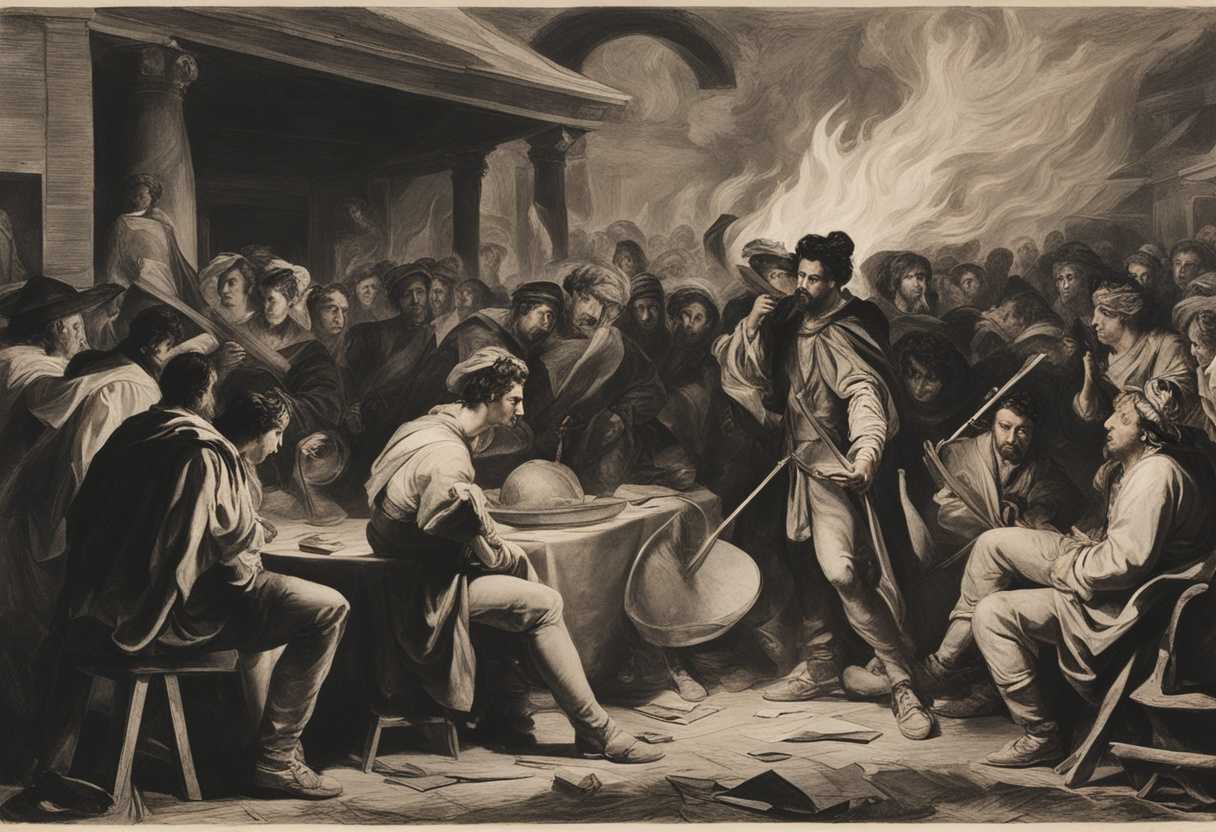
Setting the Scene for Numbers 11:1
In Numbers chapter 11, the scene is set in the wilderness as the Israelites journey towards the Promised Land after their exodus from Egypt. The Israelites have been wandering for some time now, and they are growing weary and discontent with their situation. They have been relying on manna provided by God for sustenance, but they are craving meat and other foods they enjoyed in Egypt.
Moses, the leader of the Israelites, is feeling overwhelmed by the complaints and demands of the people. He is struggling to maintain order and keep the people focused on their journey to the Promised Land. The people are grumbling and expressing their dissatisfaction with their current circumstances, which is testing Moses’ patience and faith in God.
As the scene unfolds, we see Moses becoming frustrated with the people’s complaints and turning to God for help and guidance. The atmosphere is tense as the Israelites express their longing for the comforts of Egypt, and Moses grapples with the responsibility of leading them through the wilderness. The scene sets the stage for God’s response to the people’s complaints and Moses’ plea for assistance in leading the Israelites.
What is Numbers 11:1 about?
This verse serves as a stark reminder of the consequences of disobedience and ingratitude. The Israelites, despite being recipients of divine protection and countless blessings, allowed their complaints to overshadow their gratitude. God’s wrath, manifested in the form of a consuming fire, was incurred by them. This incident underscores the importance of recognizing and appreciating the abundance of blessings in our lives, rather than focusing on what we lack or perceive as shortcomings. It also highlights the need for humility and obedience in our relationship with the divine.
Reflecting on this verse prompts us to consider the power of our words and attitudes. Do our words and thoughts reflect gratitude and trust in the divine plan, or are we prone to complaints and dissatisfaction? How do we respond when faced with challenges or perceived shortcomings in our lives? Are we quick to blame others or question the goodness of God, like the Israelites did, or do we maintain faith and humility in the face of adversity? Let this verse serve as a cautionary tale to guard our hearts against negativity and cultivate a spirit of gratitude and trust in all circumstances.
Understanding what Numbers 11:1 really means
The Book of Numbers, nestled within the Torah, recounts the Israelites’ journey from Egypt to the Promised Land. In Numbers 11:1, we find the Israelites in a state of discontent, grumbling despite God’s continuous care and provision. The phrase “The people complained” underscores a prevalent theme of ingratitude and wavering faith among the Israelites, despite witnessing divine miracles. This lack of trust and gratitude displeased the Lord, highlighting His attentiveness to His people’s attitudes and actions.
“The Lord heard it,” emphasizing God’s omnipresence and responsiveness to human behavior. When “His anger was kindled,” we see a glimpse of God’s righteous indignation at persistent disobedience and ingratitude. The ensuing “fire of the Lord” burning among them symbolizes divine judgment, serving as a stark warning of the consequences of their actions. This passage echoes a pattern seen in Exodus 16:2-3, where the Israelites grumbled about food, showcasing a recurring theme of dissatisfaction.
In Philippians 2:14-15 and 1 Corinthians 10:10, we find further exhortations against grumbling, emphasizing the importance of maintaining a spirit of gratitude and trust. Today, like the Israelites, we often find ourselves complaining about our circumstances, forgetting the blessings we have received. This verse serves as a poignant reminder to cultivate a heart of gratitude and trust in God’s provision, even amidst challenges.
The relevance of Numbers 11:1 extends to our understanding of human nature, highlighting the tendency to grumble and the need for gratitude. It reassures us of God’s awareness of our struggles and complaints, urging us to approach Him with faith and trust rather than dissatisfaction. Consider a family facing financial difficulties who, despite having enough, constantly complain about their situation. When a crisis hits, they realize the importance of gratitude. This anecdote mirrors the Israelites’ experience, emphasizing the modern-day significance of gratitude and trust in God’s provision.
In conclusion, Numbers 11:1 serves as a poignant reminder of the consequences of persistent complaining and the importance of cultivating gratitude. It prompts us to reflect on our attitudes, encouraging us to trust in God’s provision and acknowledge His constant awareness of our needs. Let us heed this lesson, striving to approach life with hearts full of gratitude and faith in God’s unwavering care.
How do we respond to hardship with faith?
We should hold onto our faith and trust in God’s plan in times of adversity and hardship. Even when faced with challenges and difficulties, we can find strength in knowing that God is with us and will guide us through the storms of life.
It is during these trying times that our faith is truly tested. We can find comfort and solace in the knowledge that God is present and that our struggles have purpose and meaning in His plan by staying connected to our faith. Through prayer, seeking His guidance, and trusting in His wisdom, we can navigate through life’s obstacles with courage and resilience.
Instead of letting hardship shake our faith, we can use it as an opportunity to grow stronger in our relationship with God. We can find peace in the midst of chaos by turning to Him in times of trouble and trusting that He will ultimately bring us through to the other side, stronger and more steadfast in our faith.
Application
Let’s take a moment to think about how our words can shape our reality, just like in the online world where our posts can influence how others perceive us. Use this verse as a guide to speak positivity and trust into your life. Let’s choose to embrace challenges with a grateful heart and faith in a bigger plan. How will you shape your voice and mindset today in the face of adversities?

Reverend Michael Johnson is an experienced Church Minister with a profound expertise in spirituality and guidance. With a serene presence and a compassionate heart, he has faithfully served his congregation for over 20 years, leading them on a spiritual journey towards inner peace and enlightenment. Reverend Johnson’s extensive knowledge of religious philosophies and profound understanding of human nature have made him a trusted confidant and mentor to many, as he seamlessly weaves his profound wisdom into life teachings. Reverend Johnson’s calming demeanor and empathetic nature continue to uplift and heal souls, nurturing a sense of unity and tranquility within his community.