
Numbers 12:3 is about Moses being described as the most humble man on earth, highlighting the importance of humility as a virtue in the eyes of God.
3 Now the man Moses was very meek, more than all people who were on the face of the earth.
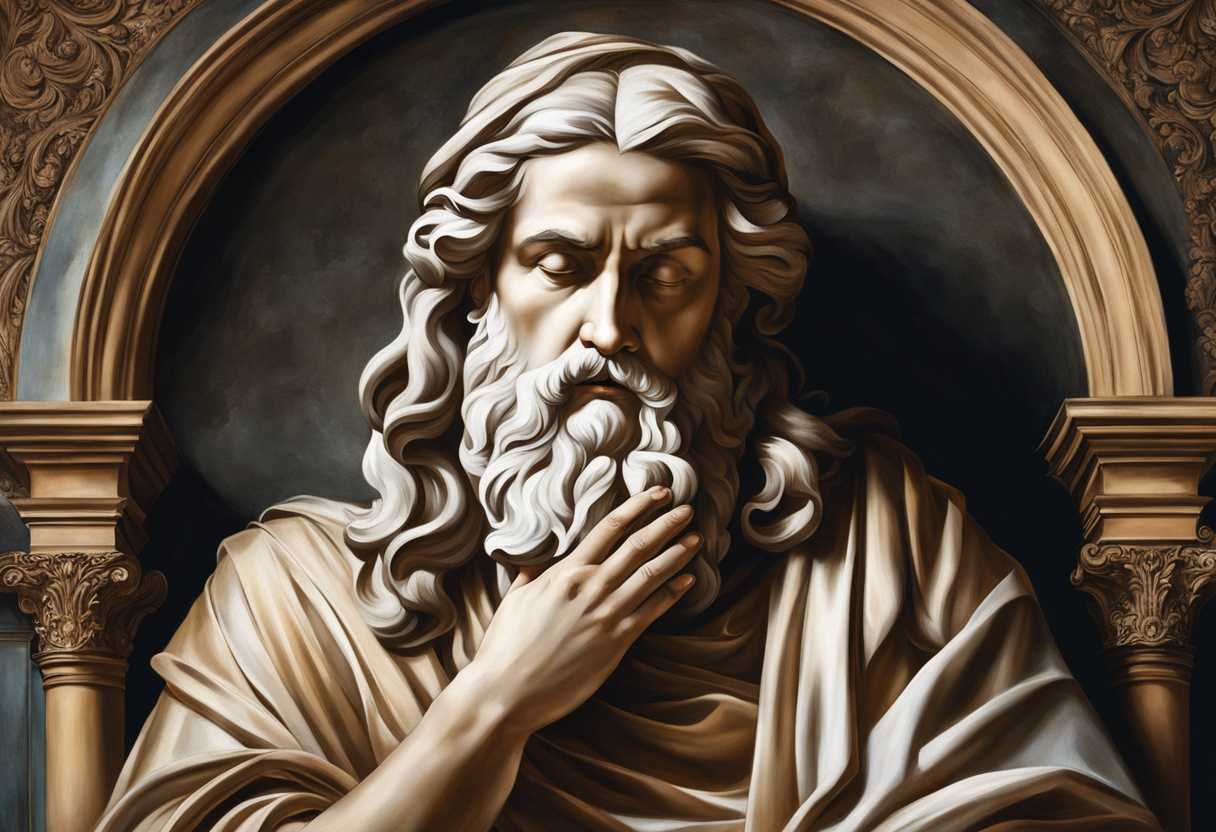
Setting the Scene for Numbers 12:3
In Numbers chapter 12, we find Moses, Aaron, and Miriam gathered together in the camp of the Israelites in the wilderness. The scene is set amidst the backdrop of the vast desert, with the tabernacle of the Lord standing prominently in the center of the camp. The hot sun beats down on the sandy terrain, and the people of Israel go about their daily tasks, tending to their tents and livestock.
Moses, Aaron, and Miriam have come together to discuss a matter of great importance. Miriam and Aaron have begun to question Moses’ leadership, particularly his marriage to a Cushite woman. As they converse, tensions rise, and soon their conversation turns into a confrontation. The siblings find themselves at odds with each other, with Miriam and Aaron expressing their discontent with Moses’ decisions.
As the discussion unfolds, the Lord intervenes, affirming Moses’ position as His chosen leader. The scene is charged with emotion as the siblings grapple with their feelings of jealousy and resentment. Ultimately, this moment serves as a test of faith and loyalty among the leaders of the Israelites, highlighting the challenges they face as they journey through the wilderness towards the Promised Land.
What is Numbers 12:3 about?
This verse speaks to the exceptional humility of Moses, a key figure in the Bible known for leading the Israelites out of Egypt. Humility, in this context, refers to a deep sense of modesty, selflessness, and respect for others. Despite his remarkable achievements and close relationship with God, Moses remained humble, recognizing that his power and abilities were ultimately from God.
Have you ever considered what it means to be truly humble? Moses serves as a powerful example of how humility can coexist with great strength and leadership. His humility allowed him to put the needs of his people and his faith in God above his own desires and ego. Moses accomplished incredible feats and led the Israelites through challenging times by recognizing his own limitations and relying on God’s guidance. We can ask ourselves: How can we cultivate humility in our own lives as we reflect on this verse? How can we learn from Moses’ example and strive to be humble in our relationships and endeavors? Moses’ humility not only set him apart as a leader but also enabled him to connect with others on a deeper level and fulfill his purpose. May we also seek to embody humility in our actions and interactions, recognizing the significance of putting others before ourselves.
Understanding what Numbers 12:3 really means
Numbers 12:3 provides a glimpse into the character of Moses amidst a familial conflict where Miriam and Aaron speak against him due to his Cushite wife. The verse portrays Moses as “very humble, more than anyone else on the face of the earth,” showcasing his exceptional humility in the face of criticism. This description sets the stage for God’s subsequent defense of Moses, highlighting the importance of humility in the eyes of God.
Drawing parallels to other biblical passages, such as Matthew 11:29 where Jesus describes Himself as “gentle and humble in heart,” we see a consistent emphasis on humility as a virtue. Paul’s exhortation in Philippians 2:3-4 to value others above oneself echoes the humility displayed by Moses. James 4:6 further reinforces this idea by stating that God favors the humble, aligning with God’s defense of Moses in Numbers 12.
In today’s world, where pride often takes center stage, the humility exemplified by Moses stands as a stark contrast. The narrative of Moses encourages individuals to embrace humility, recognizing its significance in leadership and relationships. Humility is not just a desirable trait; it is a quality highly esteemed by God, as evidenced by His defense of Moses.
Imagine a workplace scenario where a leader, despite holding a high position, listens attentively to their team, values their contributions, and refrains from boasting about their achievements. This leader’s humility fosters a positive and collaborative environment, mirroring the impact of Moses’ humility on leading the Israelites effectively. This anecdote illustrates how humility can transform relationships and leadership dynamics, making it a timeless and relevant virtue.
The phrase “very humble” in Numbers 12:3 emphasizes the depth of Moses’ humility, portraying it as a defining characteristic rather than just a passing trait. Describing Moses as more humble than anyone else on earth highlights the exceptional nature of his humility, making him a unique servant of God. This emphasis on humility underscores why God chose to defend Moses against criticism, showcasing humility as a key attribute for those seeking closeness with God.
By reflecting on Moses’ humility, readers are prompted to cultivate this virtue in their own lives, recognizing its profound impact on their relationship with God and others. Just as Moses’ humility set him apart and garnered God’s favor, embracing humility can lead individuals towards a deeper connection with God and a more harmonious existence with those around them.
How can we cultivate humility in our lives?
One way to cultivate humility in our lives is by recognizing our own limitations and acknowledging the greatness of God. When we understand that God is infinitely more powerful, wise, and loving than we are, it naturally leads us to approach Him with reverence and humility. Reflecting on our own weaknesses and imperfections can also help us remain humble, knowing that we are dependent on God for everything.
Furthermore, practicing gratitude can be a powerful way to cultivate humility. We are reminded of our dependence on God and the generosity of His grace by acknowledging and appreciating the blessings and opportunities we have been given. This mindset of gratitude helps us stay humble and encourages us to use our blessings for the greater good, rather than becoming prideful or self-centered.
Finally, seeking wisdom and guidance from God through prayer and studying His Word can help us cultivate humility. Continuous learning and growth in our faith remind us of our need for God’s wisdom and guidance in our lives. This ongoing pursuit of God’s truth keeps us humble, as we are reminded that we are not meant to rely on our own understanding but on God’s infinite wisdom and guidance.
Application
Imagine your life as a canvas, with humility as the brush that paints your character. Let us embrace humility like Moses did, as a guiding light in our journey as leaders in the modern world. Take a moment to ponder how you can infuse your work and family life with the grace of humility. Will you choose to humbly walk the path illuminated by Moses, paving the way for true leadership and connection in our communities?

Reverend Michael Johnson is an experienced Church Minister with a profound expertise in spirituality and guidance. With a serene presence and a compassionate heart, he has faithfully served his congregation for over 20 years, leading them on a spiritual journey towards inner peace and enlightenment. Reverend Johnson’s extensive knowledge of religious philosophies and profound understanding of human nature have made him a trusted confidant and mentor to many, as he seamlessly weaves his profound wisdom into life teachings. Reverend Johnson’s calming demeanor and empathetic nature continue to uplift and heal souls, nurturing a sense of unity and tranquility within his community.