
Numbers 14:12 is about God’s response to Moses’ intercession, expressing His anger towards the Israelites’ lack of faith and rebellion, and it underscores the consequences of disobedience and the importance of steadfast belief in His promises.
12 I will strike them with the pestilence and disinherit them, and I will make of you a nation greater and mightier than they.”
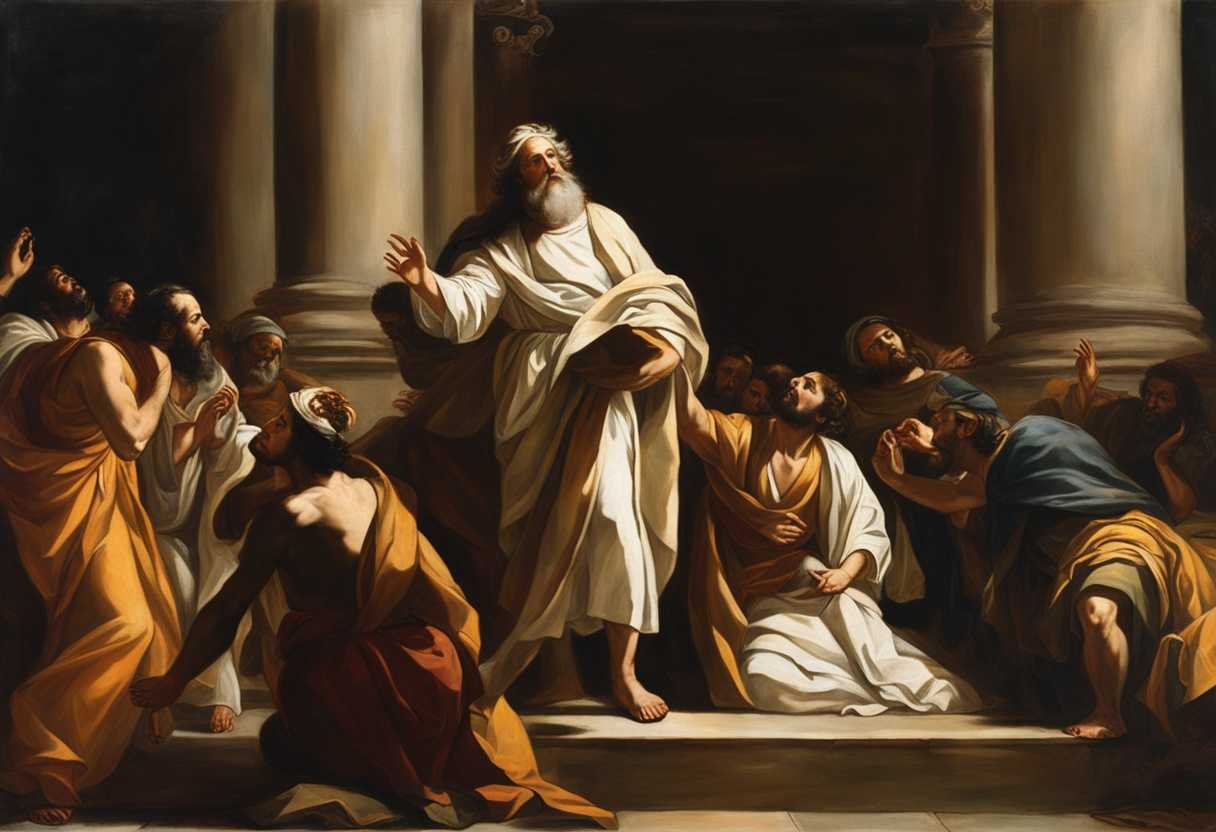
Setting the Scene for Numbers 14:12
In the arid wilderness of the Sinai Peninsula, the air is thick with tension and uncertainty. The Israelites, a vast multitude of men, women, and children, have been wandering for nearly two years since their exodus from Egypt. They stand at the edge of the Promised Land, a land flowing with milk and honey, yet fear grips their hearts. The sun hangs high in the sky, casting long shadows over the camp, where tents are pitched in haphazard clusters. Dust swirls around their feet as they gather, their faces etched with worry and doubt. Among them are Moses, their steadfast leader, and Aaron, his devoted brother, who have tirelessly guided the people through trials and tribulations.
The scene is charged with emotion as the twelve spies, sent to scout the land, return with their reports. Ten of the spies, filled with trepidation, recount tales of giants and fortified cities, painting a picture of insurmountable obstacles. Their words echo through the crowd, igniting fear and despair. Only Caleb and Joshua, the two faithful spies, stand against the tide of negativity, urging the people to trust in God’s promise. Moses, sensing the growing unrest, steps forward, his voice firm yet compassionate, calling the people to remember the miracles they have witnessed—the parting of the Red Sea, the provision of manna, and the water from the rock. He implores them to have faith, to believe that they are capable of conquering the land that God has promised them.
As the murmurs of dissent rise, the atmosphere becomes electric with rebellion. The people, swayed by fear, contemplate returning to Egypt, longing for the familiarity of their former bondage rather than facing the unknown. The camp is filled with cries of despair, and the weight of their collective doubt hangs heavy in the air. Moses, feeling the burden of leadership, turns to God in desperation, seeking guidance and intervention. In this pivotal moment, the fate of the Israelites hangs in the balance, as they stand on the brink of either embracing their destiny or retreating into the shadows of their past. The wilderness, once a place of refuge, now feels like a prison, and the Promised Land, a distant dream, as the people wrestle with their fears and the call to faith.
What is Numbers 14:12 about?
We encounter a powerful message about the relationship between God and the Israelites in this verse—one marked by both deep love and righteous anger. The anger of God serves as a response not just to the actions of the Israelites, but to their persistent rebellion and lack of faith in Him. Here we have to ask ourselves: What does it mean to be unfaithful? When trust erodes in a relationship, be it human or divine, can it be restored? The weight of these questions draws us into a deeper understanding of the Israelites’ situation and their broken bond with God.
This moment reflects the gravity of consequences when one strays from a committed path. God’s intention to strike down the Israelites is not mere punishment; it’s a reflection of His desire for a realignment—a return to faithfulness. Isn’t it intriguing how, in our own lives, we also experience moments when we veer off course, and we feel a sense of disconnection, perhaps even a moral reckoning? God’s response emerges from His equity and righteousness; it’s an invitation to reflect on the seriousness of our actions and choices. God’s anger, in fact, pairs with His longing for restoration, urging us to consider how rebellion can fracture our relationships not only with the divine but with those around us. Are we aware of the gravity of our own commitments and the ripple effects of our choices?
This passage serves as a potent reminder of the inherent connection between faith and accountability. God is not just a distant figure waiting to punish; rather, He embodies the ideals of justice and love, seeking the well-being of His people. Reflecting on this relationship can help us gain insights into how our faith shapes our actions. How often do we acknowledge our moments of rebellion, and what steps do we take to return to that initial path of faith? Through this exploration, we are reminded that though we may falter, the call to restore and strengthen our connection with God is always present. Isn’t the promise of grace a beautiful counterpoint to rebellion? It invites a deeper, more reflective journey into faith and commitment.
Understanding what Numbers 14:12 really means
In Numbers 14:12, we encounter a pivotal moment in the narrative of the Israelites’ journey through the wilderness. This verse captures God’s response to the people’s rebellion and fear as they stand on the brink of entering the Promised Land. The Israelites, overwhelmed by doubt, express a desire to return to Egypt, showcasing a profound lack of faith in God’s promises. This moment is not just a historical account; it serves as a mirror reflecting our own struggles with trust and obedience.
One of the key themes in this verse is divine judgment. God’s declaration, “I will strike them with a plague,” underscores the seriousness of the Israelites’ rebellion. It is a stark reminder that our choices have consequences, particularly when we turn away from God’s guidance. This theme resonates deeply today, as many of us grapple with moments of fear and uncertainty. How often do we find ourselves hesitating to step into the unknown, preferring the comfort of our current situations over the challenges of faith?
Leadership and responsibility also emerge prominently in this narrative. Moses, as the leader, intercedes for the people, demonstrating the weight of his role. His plea for mercy highlights the power of prayer and the importance of standing in the gap for others. This raises an important question for us: How do we respond to the fears and doubts of those around us? Are we willing to advocate for others, encouraging them to trust in God’s promises even when the path seems daunting?
The relevance of this verse extends beyond its historical context. In our modern world, filled with uncertainty, many face moments where doubt creeps in. The story of a young woman in our congregation illustrates this well. Faced with a significant career decision, she wrestled with fear of failure and the allure of her stable job. Ultimately, she chose to trust in God’s calling, stepping out in faith. Her journey serves as a testament to the blessings that await when we confront our fears and embrace God’s plan.
The phrases “I will strike them with a plague” and “I will disinherit them” carry profound implications. The former signifies that God is not indifferent to our choices; it emphasizes the reality of consequences when we choose fear over faith. The latter speaks to the loss of inheritance, a sobering reminder that our decisions can lead us away from the blessings God has prepared for us. This dynamic relationship with God challenges us to reflect on how our responses to His call shape our spiritual journey.
In conclusion, Numbers 14:12 serves as a powerful reminder of the importance of faith and obedience. It challenges us to confront our fears and trust in God’s promises, knowing that the path of faith leads to the fulfillment of His plans for our lives. As we navigate our own wilderness experiences, may we remember the lessons of the Israelites and choose to step forward in faith, embracing the blessings that await us on the other side.
How do I respond to doubts in my faith?
When facing doubts in your faith, it’s important to recognize that God is aware of our struggles and uncertainties. The message in this context highlights the idea that God responds to the challenges and fears we face. It serves as a reminder that we are not alone in our doubts; they are part of a broader human experience. Embracing this understanding can provide comfort and perspective as you navigate your faith journey. The passage underscores the importance of trust and obedience. It encourages you to reflect on the past and consider instances where your faith has been tested but ultimately strengthened. Acknowledging the ways in which you’ve seen God’s influence in your life can help lay a foundation for overcoming doubt. It invites you to take steps to seek guidance through prayer, scripture, and community, reinforcing your relationship with the Divine.
Lastly, remember that faith is often a journey filled with peaks and valleys. It’s acceptable to question and seek understanding. You might uncover deeper insights that can enhance your spiritual resilience by doing so. Rely on the truth that even in moments of uncertainty, God remains steadfast, waiting to guide you through your doubts and into a stronger faith. Embrace this opportunity for growth, trusting that your journey will lead to a deeper and more profound understanding of your beliefs.
Application
Just like a worker needs confidence in their tools to build something great, you too need faith to build a meaningful life. Are you letting fear and doubt hold you back, or are you ready to take that leap of faith and trust in something greater? Think of your family—do you believe in their strength and potential? This week, challenge yourself to take one brave step forward in your trust. What will you do to show that you believe in the promises that lie ahead?

Reverend Michael Johnson is an experienced Church Minister with a profound expertise in spirituality and guidance. With a serene presence and a compassionate heart, he has faithfully served his congregation for over 20 years, leading them on a spiritual journey towards inner peace and enlightenment. Reverend Johnson’s extensive knowledge of religious philosophies and profound understanding of human nature have made him a trusted confidant and mentor to many, as he seamlessly weaves his profound wisdom into life teachings. Reverend Johnson’s calming demeanor and empathetic nature continue to uplift and heal souls, nurturing a sense of unity and tranquility within his community.