
Numbers 16:12-15 is about Moses pleading with God to not be angry with him and saying that he did not take a single donkey from the people of Israel, showing his innocence in response to the accusations made against him.
12 And Moses sent to call Dathan and Abiram, the sons of Eliab, and they said, “We will not come up.
13 Is it a small thing that you have brought us up out of a land flowing with milk and honey, to kill us in the wilderness, that you must also make yourself a prince over us?
14 Moreover, you have not brought us into a land flowing with milk and honey, nor given us inheritance of fields and vineyards. Will you put out the eyes of these men? We will not come up.”
15 Then Moses was very angry and said to the Lord, “Do not respect their offering. I have not taken one donkey from them, and I have not harmed one of them.”
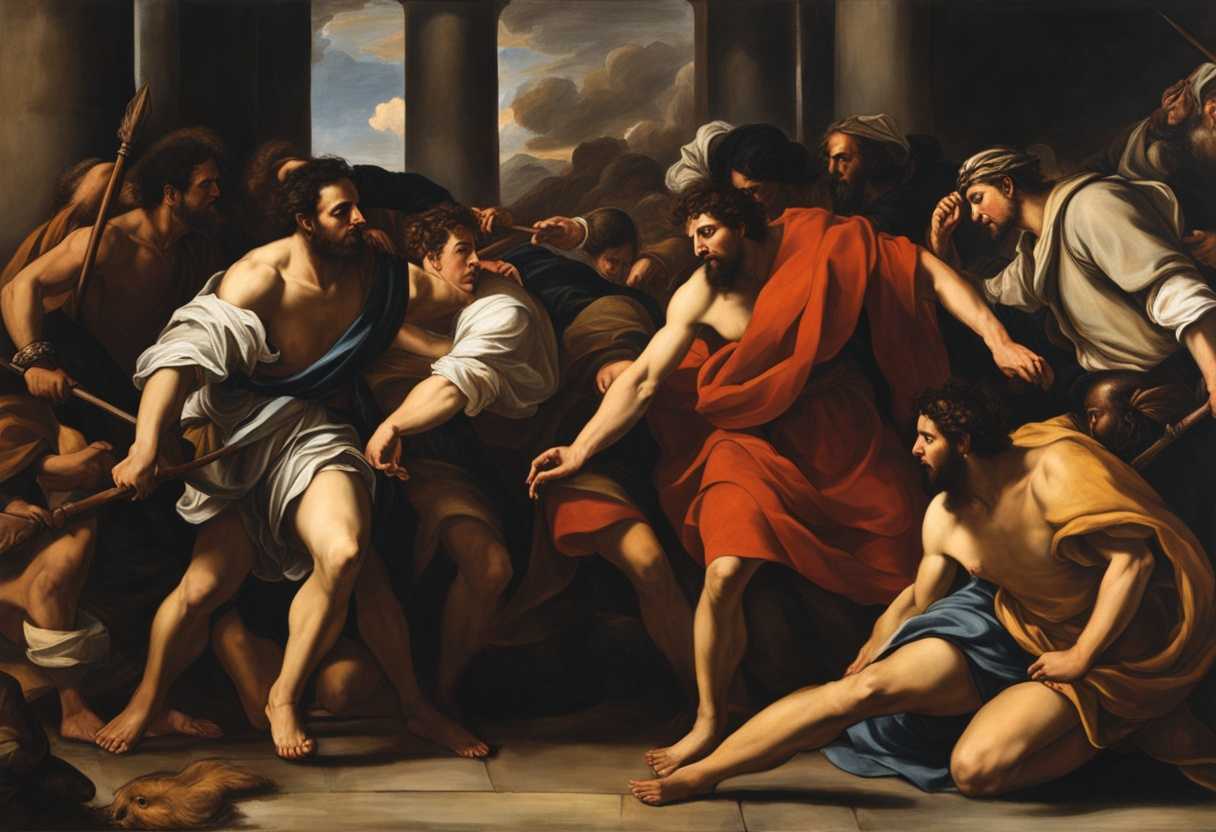
Setting the Scene for Numbers 16:12-15
In Numbers chapter 16, we find a dramatic scene unfolding in the wilderness as Korah, Dathan, Abiram, and 250 other Israelite leaders rebel against Moses and Aaron’s leadership. The atmosphere is tense as the disgruntled group confronts Moses and Aaron, accusing them of exalting themselves above the rest of the congregation. The rebels claim that all the people are holy, and therefore Moses and Aaron should not be elevated as leaders.
Moses, taken aback by the rebellion, falls on his face before the Lord, seeking guidance and wisdom in handling the situation. The surroundings are the vast desert wilderness, with the Israelite camp in disarray as the people witness this confrontation between their leaders. The tension is palpable as the fate of the rebels hangs in the balance, and the rest of the Israelites wait to see how God will respond to this challenge to His appointed leaders.
As the scene unfolds, Moses calls upon God to judge between him and the rebels, declaring that if these men die a natural death, then God has not sent him. However, if the earth opens up and swallows them alive, then it will be a sign that God has chosen Moses as His servant. The stage is set for a divine intervention that will decisively settle the dispute and reaffirm Moses and Aaron’s authority among the Israelites.
What is Numbers 16:12-15 about?
Moses, a powerful intercessor, begs God to show mercy on the people of Israel who were facing the consequences of their rebellion against Him in this verse. This act of intercession highlights Moses’ deep care and concern for his people, even when they have strayed from God’s path. It is a powerful reminder of the strength of prayer and the importance of standing up for others in times of need.
Imagine the courage it took for Moses to approach God on behalf of a disobedient people, risking his own safety to plead for their forgiveness. This verse showcases the depth of Moses’ relationship with God and his unwavering commitment to his role as a leader and mediator. It prompts us to reflect on our own actions and relationships: Are we willing to stand in the gap for others when they are in trouble? Do we have the compassion and boldness to advocate for those who have fallen short? Moses’ intercession serves as a powerful example for us to emulate in our own lives, showing us the profound impact of prayer and advocacy in times of crisis.
Understanding what Numbers 16:12-15 really means
In Numbers 16:12-15, we witness a pivotal moment in the narrative of Korah’s rebellion against Moses and Aaron. This act of defiance by Korah, Dathan, and Abiram challenges not only the authority of Moses and Aaron but also God’s divine appointment of leadership. The phrase “We will not come up” encapsulates their blatant refusal to submit to Moses’ authority, revealing the rebellious spirit that permeated their actions. It is a stark reminder of the consequences of defying God’s chosen leaders and the chaos that can ensue when individuals prioritize their own desires over God’s ordained order.
Moreover, the sarcastic remark made by Dathan and Abiram, questioning Moses’ intentions in leading them out of Egypt, highlights their ingratitude and lack of faith. By distorting the reality of their past enslavement in Egypt as a land of prosperity, they showcase a skewed perspective that fails to acknowledge God’s deliverance and provision. This distortion of truth serves as a cautionary tale, reminding us of the dangers of allowing bitterness and discontent to cloud our perception of God’s faithfulness in our lives.
In Exodus 16:3, we see a parallel theme of ingratitude among the Israelites, as they long for the comforts of Egypt despite God’s miraculous interventions on their behalf. This recurring pattern underscores the human tendency to forget God’s faithfulness and provision in times of trial, choosing instead to focus on temporary comforts and desires. Similarly, Hebrews 13:17 emphasizes the importance of obeying and respecting our leaders, recognizing the role they play in guiding and shepherding us in our spiritual journey.
The relevance of this passage to contemporary society is profound. It serves as a poignant reminder of the significance of respecting and supporting our leaders, both in the religious and secular realms. By cultivating a spirit of gratitude and faith, we can navigate challenges with a perspective that aligns with God’s will, fostering unity and harmony within our communities. Just as a toxic work environment can result from constant undermining of leadership, so too can spiritual discord arise from a lack of trust and support for those appointed to lead us.
In conclusion, the narrative in Numbers 16:12-15 prompts us to reflect on our attitudes towards authority, gratitude, and faith. By honoring and upholding our leaders, trusting in God’s plan even in difficult circumstances, and maintaining a heart of gratitude for His blessings, we position ourselves to contribute positively to our communities and align with God’s purposes. Let us heed the lessons from this passage, striving to cultivate a spirit of respect, trust, and thankfulness in all aspects of our lives.
How do we respond when feeling unfairly judged?
When we feel unfairly judged, it’s important to remember that ultimately, our worth and identity come from God alone. We can find solace in the fact that God sees our hearts and intentions, even when others may misunderstand or misjudge us. Instead of becoming defensive or lashing out, we can turn to God for strength and seek His guidance in how to handle the situation with grace and humility.
It is also helpful to remember that God is a just and righteous judge. If we believe that we have been wrongfully judged by others, we can trust in God’s ultimate justice and surrender the need to defend ourselves. We can find peace in knowing that His approval is what truly matters and that His judgment is fair and just by focusing on living a life of integrity and obedience to God. Instead of dwelling on the unfair judgments of others, we can choose to seek God’s perspective and trust in His unfailing love for us.
Application
Let’s embrace humility and obedience by honoring those entrusted with leadership in our modern lives. Just as we respect our superiors at work and support our loved ones, we should also show reverence to our spiritual leaders. Let’s reflect on our attitudes and ensure we are aligned with God’s plan for authority. Will we submit to His wisdom with respect and humility?

Reverend Michael Johnson is an experienced Church Minister with a profound expertise in spirituality and guidance. With a serene presence and a compassionate heart, he has faithfully served his congregation for over 20 years, leading them on a spiritual journey towards inner peace and enlightenment. Reverend Johnson’s extensive knowledge of religious philosophies and profound understanding of human nature have made him a trusted confidant and mentor to many, as he seamlessly weaves his profound wisdom into life teachings. Reverend Johnson’s calming demeanor and empathetic nature continue to uplift and heal souls, nurturing a sense of unity and tranquility within his community.