
Numbers 19:2 is about the purification ritual involving the red heifer, signifying the need for cleansing from sin and impurity before approaching God.
2 “This is the statute of the law that the Lord has commanded: Tell the people of Israel to bring you a red heifer without defect, in which there is no blemish, and on which a yoke has never come.
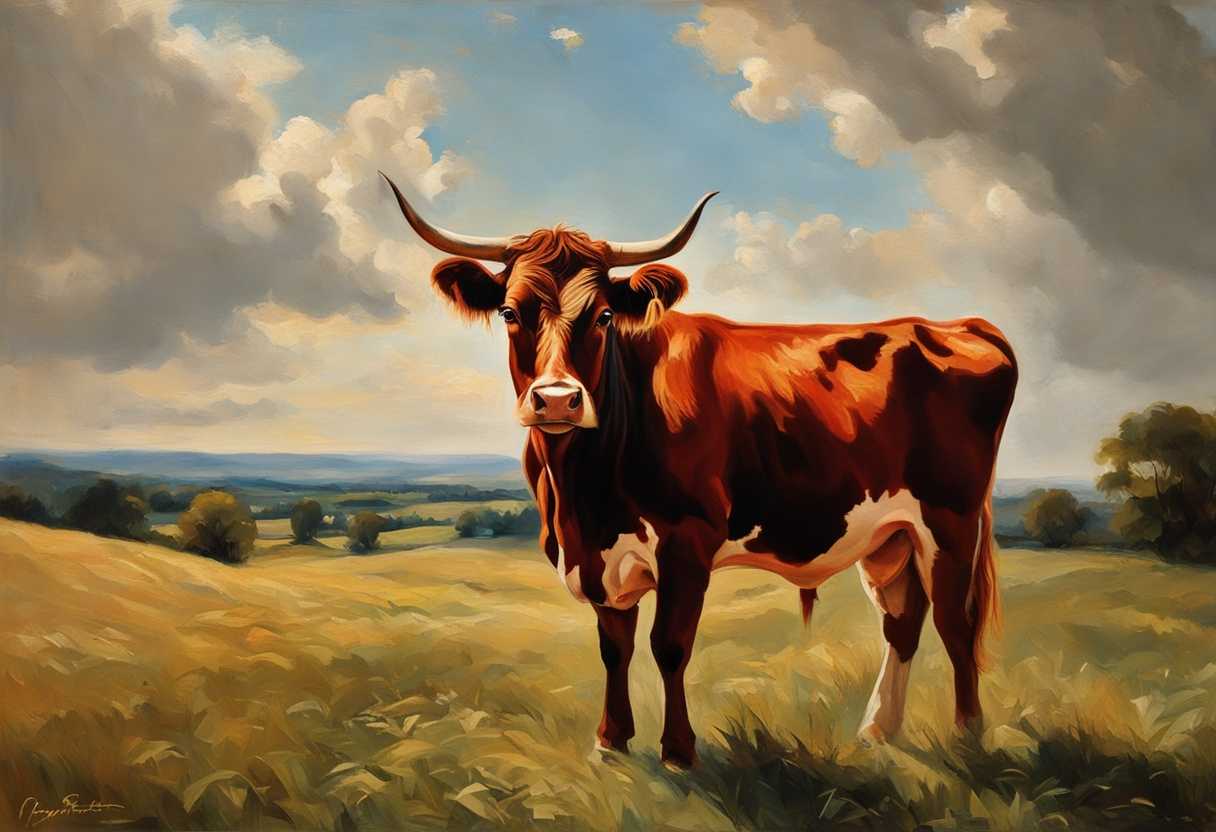
Setting the Scene for Numbers 19:2
In Numbers chapter 19, we find the Israelites in the wilderness, specifically at the foot of Mount Sinai. The scene is set with Moses, the leader of the Israelites, receiving instructions from God regarding the purification rituals for those who have come into contact with a dead body. The atmosphere is solemn and reverent as the people gather around to listen to Moses relay these important laws and regulations.
Among the crowd are Aaron, the high priest, and his sons, who are responsible for carrying out the rituals outlined by God. The Levites, who have been designated as the priestly tribe, are also present, ready to assist in the implementation of these purification rites. The backdrop of the scene is the vast desert landscape, with the imposing presence of Mount Sinai in the background, serving as a constant reminder of God’s power and presence among His people.
As Moses speaks, the people listen intently, understanding the significance of these laws in maintaining their purity and holiness before God. The gravity of the situation is palpable, as the Israelites realize the importance of following God’s commands to remain in His favor and continue on their journey towards the Promised Land.
What is Numbers 19:2 about?
A red heifer without defect being used for purification rituals in ancient Israel carries a deep significance, as mentioned in Numbers 19:2. This verse sheds light on the meticulous nature of the Israelites’ purification rituals and the importance of cleanliness and purity in approaching God. The imagery of the red heifer without defect symbolizes perfection and purity, highlighting the strict requirements placed on the elements used in religious ceremonies.
Have you ever thought about the amount of care and precision that went into the rituals performed by the Israelites? The selection of a red heifer without any blemish or defect signifies the reverence and respect they had for their religious practices. It prompts us to reflect on the standards we hold in our own lives when it comes to matters of faith and spiritual devotion. The red heifer’s role in purification rituals serves as a reminder of the necessity of spiritual cleansing and the importance of approaching God with a pure heart and mind.
This verse not only provides historical context about ancient Israelite customs but also offers a timeless lesson about the significance of purity and ritual in religious practices. It invites us to consider the intentionality behind our own spiritual practices and the level of dedication we bring to our relationship with the divine. We are encouraged to approach our spiritual journey with the same level of reverence and care as the meticulous selection of the red heifer for purification rituals.
Understanding what Numbers 19:2 really means
Numbers 19:2, nestled within the Old Testament, specifically the Pentateuch, delves into the laws of purification, spotlighting the red heifer ritual. This ancient practice aimed to cleanse individuals who had encountered death, a source of ritual impurity in Israelite culture.
“This is the statute of the law which the Lord has commanded” underscores the divine origin and authority of the law, emphasizing its divine mandate. “Speak to the children of Israel” highlights the communal responsibility inherent in the message, stressing the collective nature of adherence to the law. The directive to bring a flawless red heifer, untainted and unyoked, symbolizes purity and perfection, setting it apart for a sacred purpose.
Hebrews 9:13-14 harks back to Old Testament purification rituals, contrasting them with Christ’s ultimate purification through His blood. Psalm 51:7 echoes the theme of purification, expressing a longing for spiritual cleanliness. 1 John 1:7 ties purification to Jesus’ sacrifice, emphasizing the cleansing power of His blood.
The timeless pursuit of spiritual cleanliness resonates today as individuals seek to rid themselves of guilt, shame, and moral impurity. The red heifer ritual foreshadows Christ’s sacrificial offering, providing believers with a pathway to purification from sin.
Consider a person burdened by long-standing guilt, unable to shake off the weight of past mistakes. Upon encountering the red heifer’s significance, they grasp the need for a perfect sacrifice for purification, akin to their own yearning for spiritual cleansing. This newfound understanding illuminates Jesus’ sacrifice, offering the purification they seek.
Numbers 19:2, though steeped in ancient tradition, speaks to humanity’s universal quest for purification and God’s provision for it. It points towards Christ’s ultimate purification, rendering it profoundly relevant for believers today.
How can we purify ourselves from spiritual defilement?
We can purify ourselves from spiritual defilement by following the instructions provided in Numbers 19:2. The verse emphasizes the need for purification through the use of a red heifer, which symbolizes the removal of impurity and sin. One can attain purification and cleanse themselves from spiritual defilement by following the prescribed ritual and using the ashes of the red heifer.
The process of purification in Numbers 19:2 involves a specific and symbolic ritual that serves as a physical representation of the spiritual cleansing that is needed. Individuals can acknowledge their impurities before the divine and seek forgiveness and purification by engaging in this ritual. This act of humility and obedience can help one to cleanse their heart and soul from any spiritual defilement that may be present. The verse ultimately highlights the importance of recognizing our spiritual impurities and taking intentional steps to purify ourselves. Through obedience to the prescribed ritual and a sincere desire to be cleansed, individuals can seek purification from spiritual defilement and restore their relationship with the divine.
Application
Let’s cleanse our hearts and minds, removing any obstacles blocking our connection with the Divine. Just as we tidy our workspace for productivity and organize our homes for peace, let’s declutter our souls for spiritual clarity. Are we ready to take this step and approach the Divine with pure intentions and loyalty?

Reverend Michael Johnson is an experienced Church Minister with a profound expertise in spirituality and guidance. With a serene presence and a compassionate heart, he has faithfully served his congregation for over 20 years, leading them on a spiritual journey towards inner peace and enlightenment. Reverend Johnson’s extensive knowledge of religious philosophies and profound understanding of human nature have made him a trusted confidant and mentor to many, as he seamlessly weaves his profound wisdom into life teachings. Reverend Johnson’s calming demeanor and empathetic nature continue to uplift and heal souls, nurturing a sense of unity and tranquility within his community.