
Numbers 20:12 is about Moses allowing his anger to overcome his obedience to God and thus facing the consequence of not being able to enter the promised land.
12 But the Lord said to Moses and Aaron, “Because you did not believe in me, to uphold me as holy in the eyes of the people of Israel, therefore you shall not bring this assembly into the land that I have given them.”
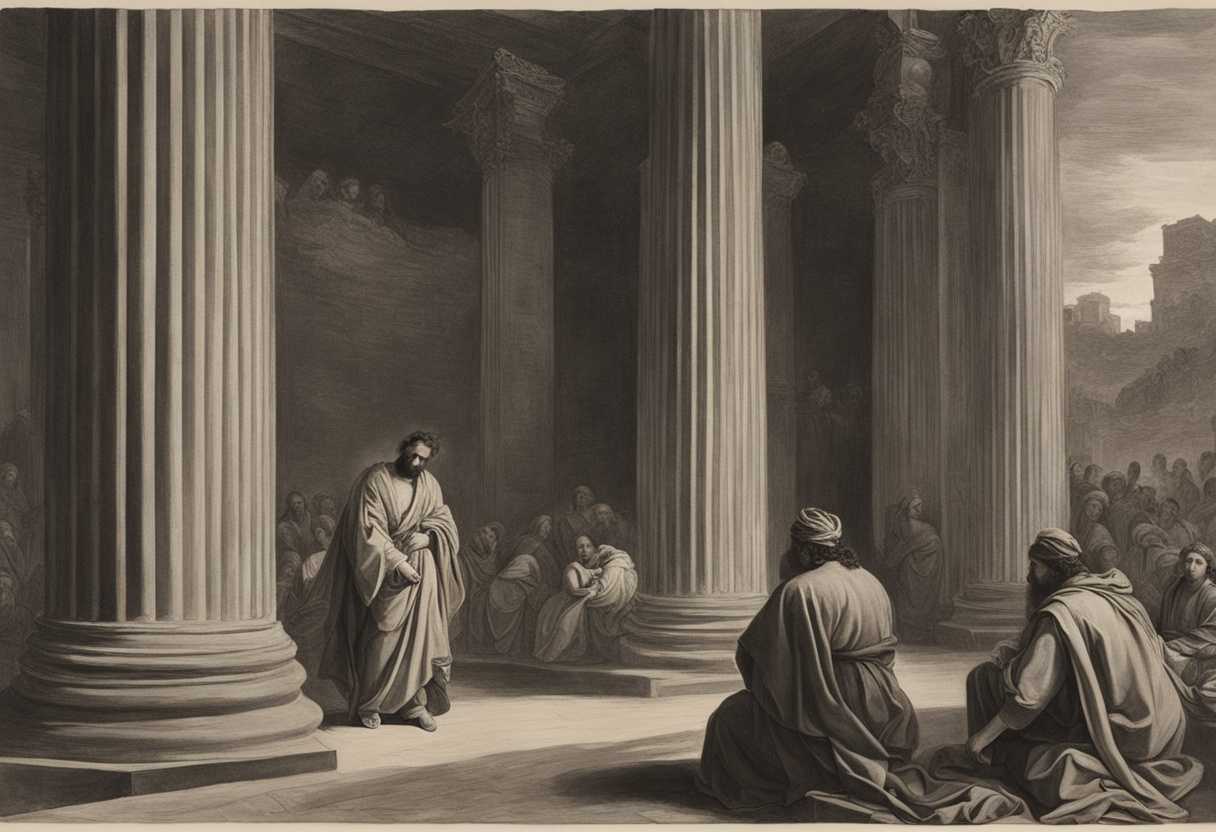
Setting the Scene for Numbers 20:12
In Numbers chapter 20, we find the Israelites in the wilderness of Zin, a desolate and arid region. The scene unfolds with Moses and his brother Aaron standing before the congregation of Israelites who are gathered around the Tabernacle. The Israelites have been wandering in the wilderness for years, following Moses as their leader and relying on God’s provision for their sustenance.
Tensions are running high as the Israelites are once again grumbling about the lack of water. Moses and Aaron, feeling the weight of the people’s complaints, seek guidance from God on how to provide for the thirsty multitude. However, in a moment of frustration and impatience, Moses strikes the rock instead of speaking to it as God had commanded. This act of disobedience leads to consequences for Moses and Aaron, as God declares that they will not enter the Promised Land.
The atmosphere is tense as the Israelites witness this exchange between their leaders and God. The rocky terrain and scorching sun serve as a stark backdrop to this pivotal moment in the Israelites’ journey towards the land flowing with milk and honey.
What is Numbers 20:12 about?
This verse speaks to the significance of obedience and faith in God’s instructions. Despite being a great leader and prophet, Moses made a grave error by choosing to strike the rock instead of following God’s specific command to speak to it. This act of disobedience not only demonstrated a lack of trust in God’s power but also resulted in consequences for Moses. It serves as a lesson for us all about the importance of following God’s guidance and trusting in His plans, even when they may seem challenging or unconventional.
Think about the implications of Moses’ disobedience. How often do we struggle with fully trusting in God’s ways and timing in our own lives? This verse reminds us that obedience and faith go hand in hand, and it is only through aligning our actions with God’s will that we can experience His blessings and fulfill our purpose. Let us reflect on this story of Moses and strive to listen attentively to God’s voice, trusting in His wisdom and guidance even when it requires us to step out in faith.
Understanding what Numbers 20:12 really means
In Numbers 20:12, we find a pivotal moment in the journey of the Israelites through the wilderness, where Moses and Aaron face the consequences of their actions. The context reveals a scene of frustration and complaint among the people due to the lack of water. God, in His mercy, provides a solution by instructing Moses to speak to a rock to bring forth water. However, in a moment of impatience and anger, Moses strikes the rock instead of speaking to it as commanded. This act of disobedience may seem minor, but its implications are profound.
The key phrases in this verse shed light on the underlying issues at play. “Because you did not trust in me enough” underscores the fundamental importance of trust and faith in God’s instructions. By failing to follow God’s command precisely, Moses and Aaron displayed a lack of complete trust in His word. “To honor me as holy” emphasizes the significance of recognizing and respecting God’s holiness. Their actions not only disregarded God’s specific command but also failed to uphold His sanctity before the eyes of the Israelites.
Drawing parallels with other biblical passages such as Exodus 17:6 and Deuteronomy 32:51-52 reinforces the theme of obedience and trust in God’s directives. The consequences of Moses and Aaron’s actions serve as a sobering reminder of the weight of leadership and the necessity of setting a godly example. Hebrews 3:12-19 further underscores the dangers of unbelief and disobedience, urging us to learn from the mistakes of the past.
The relevance of this passage extends to our lives today in various aspects. It challenges us to examine our trust and obedience to God, especially in times of difficulty or frustration. For those in positions of leadership, it highlights the responsibility to honor God in all actions and decisions, recognizing the impact of our behavior on others. Our public witness, whether in moments of obedience or disobedience, shapes how others perceive God through us.
To illustrate the significance of our actions on others, consider a scenario in a workplace where a respected manager compromises their integrity under pressure. This seemingly small deviation from ethical standards ripples through the team, eroding trust and morale. Similarly, Moses and Aaron’s seemingly minor disobedience had far-reaching consequences for their leadership and the faith of the community.
In conclusion, Numbers 20:12 serves as a poignant lesson on trust, obedience, and the public witness of our actions. It prompts us to reflect on how we respond to God’s instructions and the ripple effects of our choices on those around us. May we learn from Moses and Aaron’s misstep, striving to trust God wholeheartedly, obey His commands faithfully, and honor Him in all aspects of our lives.
How can we fully trust and obey God?
We must realize that God is the ultimate authority and has a perfect plan for our lives in order to fully trust and obey Him. Putting our faith in God means surrendering our own will and desires to His guidance and wisdom. We can trust in God’s plans by acknowledging His sovereignty and understanding that He knows what is best for us, even when they may not align with our own understanding or desires.
To obey God completely, we must follow His commandments and teachings as outlined in the Bible. This means seeking to live our lives in a way that is pleasing to Him, showing love to others, and striving to embody the values and virtues that reflect His character. Obedience to God requires humility, surrender, and a willingness to submit to His will above our own. It is through this trust and obedience that we can experience the fullness of His blessings and walk in alignment with His purpose for our lives.
Application
In life’s complex journey, have you ever pondered the significance of staying true to your path, just as Moses did in the wilderness? When faced with tough choices, remember to prioritize following what is right, even when it seems hard. Can you embrace this challenge with courage and undertake the right action, despite the obstacles in your way?

Reverend Michael Johnson is an experienced Church Minister with a profound expertise in spirituality and guidance. With a serene presence and a compassionate heart, he has faithfully served his congregation for over 20 years, leading them on a spiritual journey towards inner peace and enlightenment. Reverend Johnson’s extensive knowledge of religious philosophies and profound understanding of human nature have made him a trusted confidant and mentor to many, as he seamlessly weaves his profound wisdom into life teachings. Reverend Johnson’s calming demeanor and empathetic nature continue to uplift and heal souls, nurturing a sense of unity and tranquility within his community.