
Numbers 26:48-50 is about the importance of recognizing and acknowledging one’s lineage and heritage as a key component of maintaining the covenant and blessings of God within the community of believers.
48 The sons of Naphtali by their clans: Jahzeel, Guni, Jezer, and Shillem.
49 The sons of Bela were Ard and Naaman: of Ard, the clan of the Ardites; of Naaman, the clan of the Namites.
50 These are the clans of Naphtali according to their clans. And those listed were 45,400.
Setting the Scene for Numbers 26:48-50
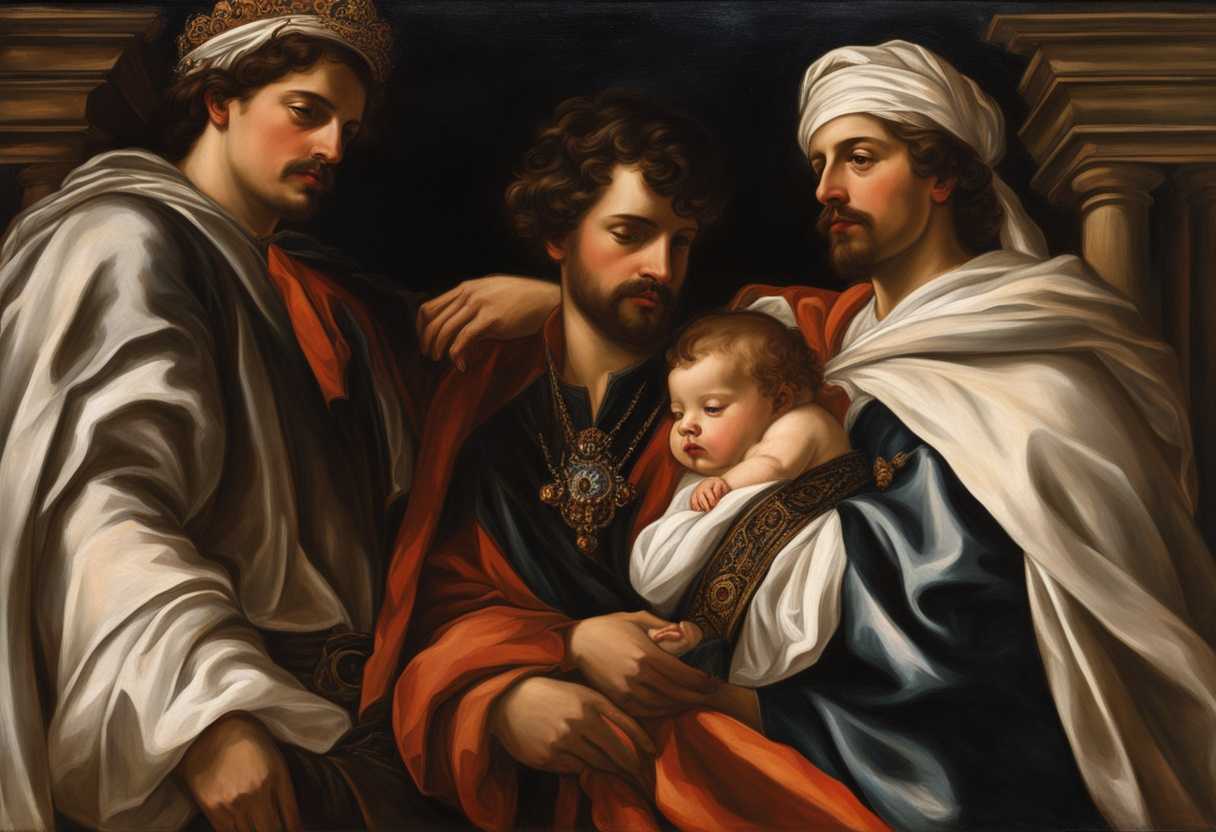
The scene in Numbers 26:48-50 takes place in the wilderness of Moab, as the Israelites are preparing to enter the Promised Land. Moses, along with Eleazar the priest and the leaders of the Israelite tribes, are gathered together to take a census of the people. This census is crucial as it determines the allocation of land among the tribes once they enter Canaan.
The names of the individuals present include Moses, Eleazar, and the tribal leaders such as the descendants of Reuben, Simeon, Gad, Judah, Issachar, Zebulun, Manasseh, Ephraim, Benjamin, Asher, Naphtali, and Dan. Each tribe is represented by its leader, and they have come together at the command of the Lord to be counted and to receive their inheritance.
The surroundings are likely a vast open space in the wilderness, with the Tabernacle set up as the central meeting point. The atmosphere is charged with anticipation and excitement as the Israelites are on the brink of fulfilling God’s promise to give them the land flowing with milk and honey. The leaders are gathered in unity, ready to lead their people into the new land and take possession of the inheritance allotted to them.
What is Numbers 26:48-50 about?
This verse highlights the importance of counting and recognizing the different tribes and families within the community. Numbering the families of Naphtali demonstrates the value of each individual and their place within the larger group. This act of numbering not only helps in organization and distribution of resources but also serves as a reminder of the uniqueness and significance of each family within the community.
Have you ever stopped to think about the families in your own community and their individual contributions? Just like the families of Naphtali, each family in your community plays a vital role in the overall fabric of society. We can foster a sense of unity and belonging among everyone by acknowledging and valuing the different families and their inheritances. Let’s consider how we can appreciate and recognize the families within our own communities as we reflect on this verse. How can we ensure that each family feels valued and included in the larger group? We can strengthen the bonds of our community and create a more harmonious and supportive environment for all by counting and honoring the families around us.
Understanding what Numbers 26:48-50 really means
The Book of Numbers, nestled within the Torah, offers a glimpse into the Israelites’ journey through the desert for 40 years. In Numbers 26, a census is commanded by God for the new generation of Israelites preparing to enter the Promised Land. Specifically, verses 48-50 focus on the descendants of Naphtali, one of the twelve tribes of Israel. This enumeration underscores the significance of family lineage and heritage within the Israelite community, showcasing the meticulous record-keeping of family groups like the Shuhamite clan from Shuham. The final count of 45,400 individuals highlights the tribe’s growth and strength, a tangible fulfillment of God’s promise to multiply Abraham’s descendants.
Connecting to other biblical passages, Genesis 46:24 traces the lineage of Naphtali’s sons, solidifying the genealogical link and the fulfillment of God’s covenant with Abraham. Joshua 19:32-39 further ties the census to the future inheritance of the Promised Land by describing the land allotted to the tribe of Naphtali. Revelation 7:6 includes Naphtali among the sealed servants of God, emphasizing the enduring significance of the tribe in God’s divine plan.
The relevance of these verses extends to contemporary life, emphasizing the importance of community and heritage. Just as the Israelites cherished their familial and tribal connections, individuals today can draw strength and identity from their own communities. Moreover, the detailed census in Numbers 26 serves as a reminder of God’s faithfulness in fulfilling His promises to His people. Each name and number in the census signifies an individual integral to God’s larger plan, encouraging us to recognize our own significance in God’s eyes.
Consider a small town where every family is known and valued, coming together annually to celebrate their shared history and growth. This tradition fosters a sense of belonging and purpose, much like the census in Numbers 26 reinforces the Israelites’ shared history and God’s promises, nurturing unity and hope among them. Ultimately, the census of the tribe of Naphtali in Numbers 26:48-50 transcends mere numbers; it stands as a testament to God’s faithfulness, the value of community, and the significance of each individual in God’s divine design. Reflecting on these verses prompts us to appreciate our own communities and place our trust in God’s promises for our lives.
How can one ensure their spiritual inheritance is preserved?
One can ensure their spiritual inheritance is preserved by following the instructions given in the verse. This includes being mindful of one’s lineage and ensuring that it remains intact through future generations. One can safeguard the spiritual inheritance by keeping track of one’s ancestry and passing down traditions, beliefs, and values to the next generation.
Additionally, maintaining a strong connection to one’s faith and practicing its teachings is crucial in preserving the spiritual inheritance. One can ensure that the legacy of spirituality is upheld and passed on to future descendants by living a life guided by the principles and morals of one’s faith. This continuity helps to solidify the spiritual foundation laid out by ancestors and allows it to flourish in the lives of those who come after. Honoring and cherishing the spiritual inheritance bestowed upon us ultimately requires dedication and commitment. We can ensure that our spiritual heritage endures and continues to be a source of strength and guidance for years to come by actively engaging with our faith, nurturing our spiritual growth, and passing down these beliefs to future generations.
Application
Let the stories of our ancestors be our guiding light in the darkness of the modern world. Embrace their legacy like a torch of wisdom, illuminating your path ahead. Carry their teachings like precious jewels, a treasure trove of timeless wisdom. Honor their sacrifices by embodying their values in every step you take. Will you be the keeper of the flame, igniting a new generation with the brilliance of the past?

Reverend Michael Johnson is an experienced Church Minister with a profound expertise in spirituality and guidance. With a serene presence and a compassionate heart, he has faithfully served his congregation for over 20 years, leading them on a spiritual journey towards inner peace and enlightenment. Reverend Johnson’s extensive knowledge of religious philosophies and profound understanding of human nature have made him a trusted confidant and mentor to many, as he seamlessly weaves his profound wisdom into life teachings. Reverend Johnson’s calming demeanor and empathetic nature continue to uplift and heal souls, nurturing a sense of unity and tranquility within his community.