
Numbers 27:16-17 is about the selection of a new leader to ensure the people of Israel are not left like sheep without a shepherd, emphasizing the importance of guidance and direction in times of transition and uncertainty.
16 “Let the Lord, the God of the spirits of all flesh, appoint a man over the congregation”
17 who shall go out before them and come in before them, who shall lead them out and bring them in, that the congregation of the Lord may not be as sheep that have no shepherd.”
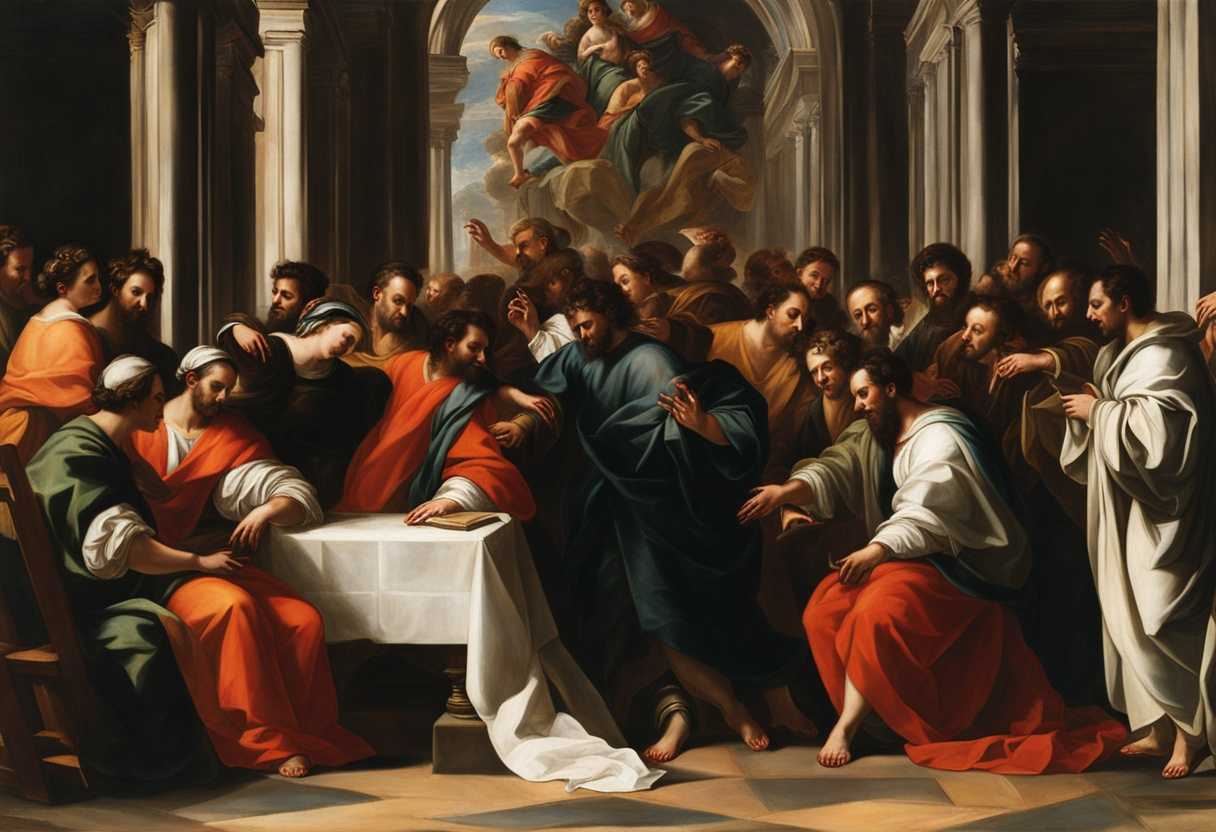
Setting the Scene for Numbers 27:16-17
In Numbers chapter 27, we find Moses standing before the Lord at the entrance of the Tabernacle, seeking guidance on who will lead the Israelites after his time. The scene is set in the wilderness of Zin, with the dusty ground beneath their feet and the Tabernacle standing tall in the background. The air is filled with a sense of anticipation as Moses waits for the Lord’s response.
Joining Moses in this pivotal moment are Eleazar the priest, Joshua son of Nun, and the leaders of the Israelite community. They have gathered together to hear the Lord’s decision on who will succeed Moses as the leader of the Israelites. The weight of this decision hangs heavy in the air as they await the divine pronouncement.
As the group stands before the Lord, Moses listens intently as the Lord speaks to him, affirming that Joshua is the chosen one to lead the Israelites into the promised land. The scene is filled with a mix of emotions – relief, anticipation, and a sense of destiny unfolding as the future of the Israelite community is revealed.
What is Numbers 27:16-17 about?
This verse reflects a common theme in many religious teachings about the importance of divine guidance and the need for strong leadership within a community. It calls upon the Lord to choose a leader who will serve as a guide and shepherd for the congregation, ensuring that they stay on the right path and fulfill their purpose. This leader is seen as a channel through which the will of the divine can be manifested among the people, providing direction, support, and wisdom. Consider how leadership is significant in your own life. How does having a mentor or guide help you navigate challenges and make important decisions? Think about how a leader within a religious community can offer a sense of unity and purpose, helping individuals come together in faith and service. Reflect on the qualities you value in a leader – honesty, compassion, wisdom – and imagine how these traits might be magnified when guided by divine inspiration. Think about the leaders who have influenced your own journey as you ponder this verse. How have they shaped your beliefs, values, and actions? You can embody leadership qualities in your own interactions with others, serving as a source of guidance and support in your community. Perhaps each of us should step up and lead with love and integrity in all that we do, just as this verse calls upon the Lord to appoint a leader.
Understanding what Numbers 27:16-17 really means
Introduction
In the Book of Numbers, nestled within the Torah’s teachings, we find a tapestry of laws, historical accounts, and the Israelites’ journey through the wilderness. As we delve into Numbers 27:16-17, we encounter a poignant moment as Moses, on the cusp of his passing, grapples with the weighty task of ensuring the continued guidance and care of the Israelites under new leadership.
Key Phrases and Their Meanings
“Let the Lord, the God of the spirits of all flesh”: This profound invocation acknowledges God’s supreme authority over all living beings, underscoring His all-encompassing knowledge and power. It serves as a reverent acknowledgment of God’s sovereignty over every aspect of life.
“Set a man over the congregation”: In this plea, Moses beseeches God to appoint a successor, revealing his deep concern for the welfare and direction of the community. It showcases Moses’ selflessness and dedication to ensuring the Israelites’ continued guidance.
“Who may go out before them and go in before them, who may lead them out and bring them in”: These words paint a vivid picture of the ideal leader—one who is intimately involved in the lives of the people, guiding them through every endeavor and challenge they face. It highlights the importance of a leader who is not distant but actively present in the community’s affairs.
Related Biblical Passages
Drawing parallels from other biblical passages enriches our understanding of leadership and divine guidance:
Joshua 1:9: This verse reassures Joshua, the appointed leader after Moses, of God’s unwavering presence and support, echoing the importance of divine backing in leadership roles.
John 10:11: Jesus’ depiction of Himself as the ultimate shepherd who sacrifices for His flock exemplifies the sacrificial love and care expected from leaders, setting a profound example for all who lead.
1 Peter 5:2-3: These verses outline the responsibilities of spiritual leaders, emphasizing the importance of humility, service, and leading by example—a timeless blueprint for effective leadership in any context.
Relevance to People Today
The themes of leadership and seeking divine guidance resonate across time and cultures:
In various spheres of life, be it religious communities, workplaces, or families, the need for compassionate and responsible leadership remains paramount, echoing Moses’ concerns for the Israelites.
Just as Moses sought God’s wisdom in appointing a new leader, individuals today can draw inspiration from his example, seeking divine guidance in their own leadership roles and decision-making processes.
Anecdote
Consider a retiring business owner, akin to Moses, pondering the future of the company and the well-being of employees. Through prayer and discernment, he seeks a successor not just skilled but also compassionate—a reflection of Moses’ care for his people and his plea for a capable leader.
Conclusion
Numbers 27:16-17 serves as a poignant reminder of the significance of seeking divine guidance in leadership transitions and the qualities that define a good leader. It prompts us to seek leaders who embody not only competence but also compassion and active engagement with those they lead, echoing Moses’ heartfelt concern for the Israelites’ future.
What qualities should we seek in leaders?
We should seek leaders who have the qualities of wisdom, understanding, and who are filled with the Spirit. Leaders who have wisdom can make sound decisions and guide others effectively. Understanding ensures that they can empathize with others and take their perspectives into consideration. Being filled with the Spirit suggests that they are guided by a higher moral compass and have a sense of divine purpose in their leadership.
Leaders who possess these qualities can inspire trust and respect among their followers, leading to a more cohesive and harmonious community. They are more likely to act in the best interest of those they lead, making decisions that benefit the collective good rather than serving their own personal interests. Leaders with wisdom, understanding, and a connection to something greater than themselves can ultimately bring about positive change and lead their community to prosperity and peace.
Application
Let’s step into the role of mentors and leaders, like Moses did when he passed on the torch of leadership. It’s time to nurture and empower those around us, preparing them to take the helm and continue God’s work in our modern world. How will you inspire and equip others to step into their own leadership journey?

Reverend Michael Johnson is an experienced Church Minister with a profound expertise in spirituality and guidance. With a serene presence and a compassionate heart, he has faithfully served his congregation for over 20 years, leading them on a spiritual journey towards inner peace and enlightenment. Reverend Johnson’s extensive knowledge of religious philosophies and profound understanding of human nature have made him a trusted confidant and mentor to many, as he seamlessly weaves his profound wisdom into life teachings. Reverend Johnson’s calming demeanor and empathetic nature continue to uplift and heal souls, nurturing a sense of unity and tranquility within his community.