
Numbers 28:11-15 is about outlining the specific offerings and sacrifices that the Israelites were required to bring regularly to the Lord, highlighting the importance of regular worship, commitment, and obedience to God.
11 “At the beginnings of your months, you shall offer a burnt offering to the Lord: two bulls from the herd, one ram, seven male lambs a year old without blemish;”
12 And three tenths of an ephah of fine flour for a grain offering, mixed with oil, for each bull, and two tenths of fine flour for a grain offering, mixed with oil, for the one ram;
13 And a tenth of an ephah of fine flour for a grain offering, mixed with a quarter of a hin of beaten oil.
14 And their drink offerings shall be half a hin of wine for a bull, a third of a hin for a ram, and a quarter of a hin for a lamb. This is the burnt offering of each month throughout the months of the year.
15 And one male goat for a sin offering to the Lord; it shall be offered besides the regular burnt offering and its drink offering.
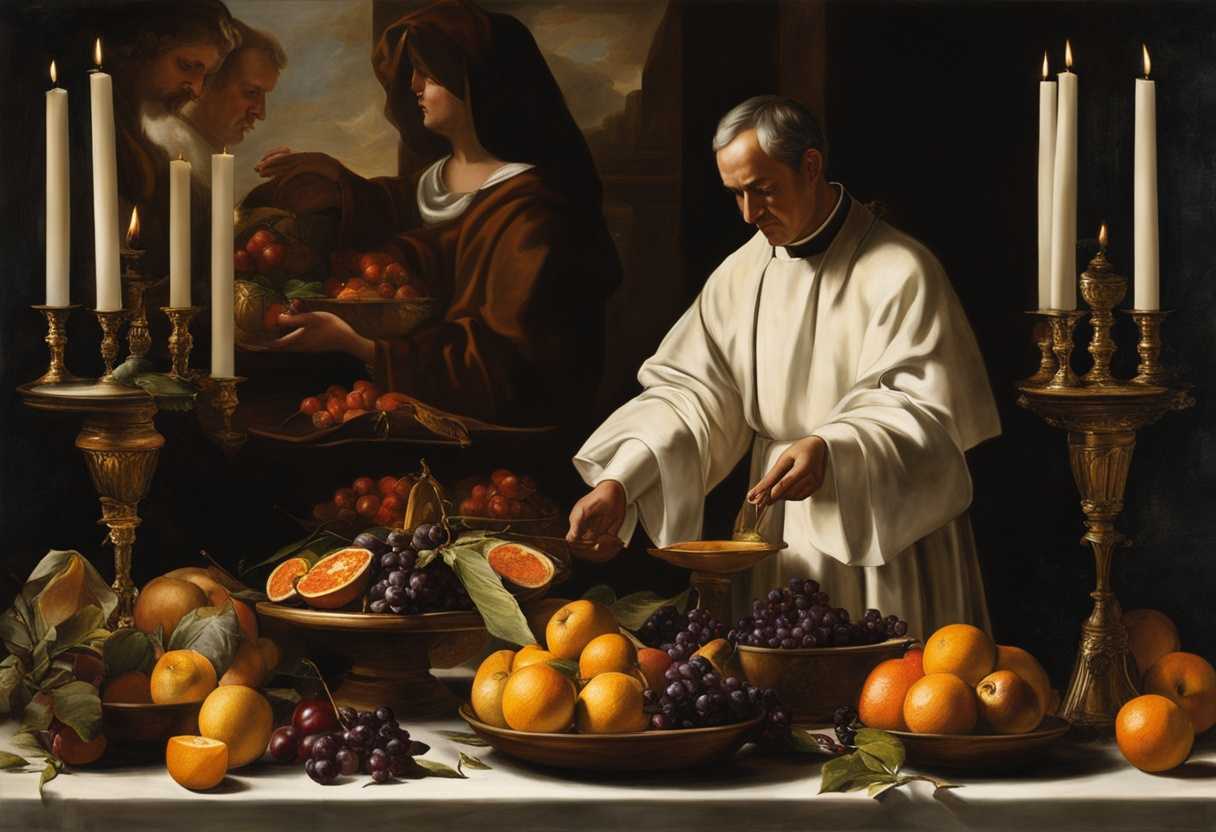
Setting the Scene for Numbers 28:11-15
In the scene described in Numbers 28:11-15, we find Moses and the Israelites in the wilderness, specifically at the foot of Mount Sinai. The Israelites had been wandering in the desert for some time now, following their exodus from Egypt. As instructed by God, Moses had been leading the people and guiding them in their journey towards the Promised Land.
On this particular day, Moses gathers the people together to instruct them on the offerings they are to bring to the Lord. The passage details the specific offerings that are to be made each day, including the type and number of animals to be sacrificed. These offerings were to be made in addition to the regular burnt offerings and sacrifices that were already established as part of their worship.
Surrounded by the vast desert landscape, with Mount Sinai towering in the background, Moses stands before the congregation, relaying the divine instructions he has received. The people listen attentively, ready to follow the commands given to them by God through Moses. This scene captures a moment of obedience and reverence as the Israelites continue to uphold their covenant with the Lord, even in the midst of their challenging journey through the wilderness.
What is Numbers 28:11-15 about?
We learn about the importance of offering to the Lord in this verse. The act of offering signifies our gratitude, respect, and devotion to the divine. Individuals demonstrate their commitment to God by presenting two lambs, flour, oil, and wine as daily offerings. These offerings symbolize abundance, sustenance, and sacrifice. They represent the physical and spiritual provisions we receive from the Lord and our willingness to give back in return.
Have you ever thought about the significance of offerings in your own life? What does it mean to you to give something valuable as a token of appreciation or reverence? You can incorporate daily rituals or habits to show your gratitude towards the divine or to express your devotion to something greater than yourself, just as these daily offerings were a routine practice in the scripture. We can embody the spirit of giving and sacrifice in our own lives through our actions, words, and offerings.
Understanding what Numbers 28:11-15 really means
The Book of Numbers, a part of the Pentateuch attributed to Moses, provides us with valuable insights into the structured worship practices of ancient Israel. In Numbers 28:11-15, we encounter specific instructions regarding monthly offerings, highlighting the significance of regular devotion and dedication to God. This passage is nestled within a broader context of detailed guidelines on various offerings and sacrifices, emphasizing the intentional and reverent nature of worship in the Israelite community.
The phrase “On the first day of each month” in Numbers 28:11 sets the tone for beginning each new period with a focus on God, underlining the importance of initiating each cycle with reverence and commitment. The selection of “Two young bulls, one ram, and seven male lambs a year old, all without defect” symbolizes purity, strength, and completeness, reflecting the quality of offerings that God desires from His people. Additionally, the requirement for “A grain offering of three-tenths of an ephah of the finest flour mixed with oil” signifies the people’s willingness to present their best produce to God, showcasing their dedication and gratitude.
In parallel with Leviticus 23:24-25, which discusses offerings on the first day of the seventh month, Numbers 28:11-15 underscores the theme of structured and consistent worship practices. Psalm 81:3 further accentuates the celebratory and communal nature of these offerings, emphasizing the joy and unity found in collective worship. Moreover, Romans 12:1 bridges the gap between Old and New Testament teachings, urging believers to offer themselves as living sacrifices, holy and pleasing to God, as an act of spiritual worship.
The relevance of Numbers 28:11-15 extends to contemporary believers in various ways. It prompts us to engage in regular worship, mirroring the Israelites’ commitment to consistent offerings. The emphasis on giving our best to God serves as a reminder to present Him with our finest resources, talents, and time, reflecting our deep-seated devotion. Furthermore, the communal and celebratory aspects of these offerings encourage us to come together as a community of faith, fostering unity and shared joy in worship.
Consider a modern-day family that dedicates the first Sunday of each month to a special time of family worship, akin to the monthly offerings in Numbers 28:11-15. Their practice of gathering for scripture reading, hymn singing, and communal meals not only strengthens their faith individually but also nurtures their familial bonds. Similarly, the ancient Israelites’ monthly offerings united the community in worship and dedication to God, reinforcing the importance of shared devotion and celebration in our spiritual lives.
In conclusion, Numbers 28:11-15 serves as a poignant reminder of the significance of regular, intentional worship and devotion. By offering our best to God, celebrating our faith in community, and maintaining a consistent practice of worship, we honor Him and deepen our spiritual connection, echoing the timeless principles of dedication and reverence found in this ancient biblical passage.
How can we express gratitude to God daily?
One way we can express gratitude to God daily is by acknowledging His provisions and blessings in our lives. We can take a moment each day to reflect on the many ways God has blessed us, provided for us, and protected us. This act of reflection can help us cultivate a heart of thankfulness and deepen our appreciation for all that God does for us.
Another way to express gratitude to God daily is through prayer. We can start each day with a prayer of thanksgiving, expressing our gratitude for the gift of life, the love of family and friends, and the countless blessings we have received. Throughout the day, we can offer up prayers of thanks whenever we recognize God’s hand at work in our lives, whether in small moments of joy or in times of trial and difficulty.
Lastly, we can show our gratitude to God by living a life that reflects His goodness and love. We can honor God and show our gratitude for all that He has done for us by striving to obey His commandments, showing kindness to others, and stewarding the resources He has given us wisely. Our daily actions can be a living testimony to our thankfulness for the abundant grace and mercy that God pours out on us each day.
Application
Let the words of Numbers 28:11-15 ignite a fire within you, urging you to elevate your worship to new heights. Just as we devote ourselves wholeheartedly to our work and our families, let us also show unwavering commitment in honoring and seeking favor from the divine. Take a moment to reflect on your worship habits and strive for a deeper connection with the Almighty. Are you ready to step up in your worship, casting aside half-hearted efforts and embracing a true and profound devotion?

Reverend Michael Johnson is an experienced Church Minister with a profound expertise in spirituality and guidance. With a serene presence and a compassionate heart, he has faithfully served his congregation for over 20 years, leading them on a spiritual journey towards inner peace and enlightenment. Reverend Johnson’s extensive knowledge of religious philosophies and profound understanding of human nature have made him a trusted confidant and mentor to many, as he seamlessly weaves his profound wisdom into life teachings. Reverend Johnson’s calming demeanor and empathetic nature continue to uplift and heal souls, nurturing a sense of unity and tranquility within his community.