
Numbers 28:16-25 is about detailing the regulations and instructions regarding the practices of the Feast of Weeks (Pentecost), emphasizing the importance of offering sacrifices and presenting them with a spirit of gratitude and obedience to God.
16 “On the fourteenth day of the first month is the Lord’s Passover,”
17 and on the fifteenth day of this month is a feast. Seven days shall unleavened bread be eaten.
18 And their drink offerings shall be half a hin of wine, and you shall pour out a drink offering of strong drink to the Lord.
19 but offer a food offering, a burnt offering to the Lord: two bulls from the herd, one ram, and seven male lambs a year old;
20 And their grain offering shall be of fine flour mixed with oil, three tenths of an ephah for the bull, two tenths for the ram,
21 a tenth of an ephah for each of the seven lambs;
22 one male goat for a sin offering, to make atonement for you.
23 “You shall offer these in addition to the burnt offering of the morning, which is for a regular burnt offering.”
24 In this way you shall offer daily, for seven days, the food of the offering made by fire, of a pleasing aroma to the Lord. It shall be offered besides the regular burnt offering and its drink offering.
25 And on the seventh day you shall have a holy convocation. You shall not do any ordinary work.
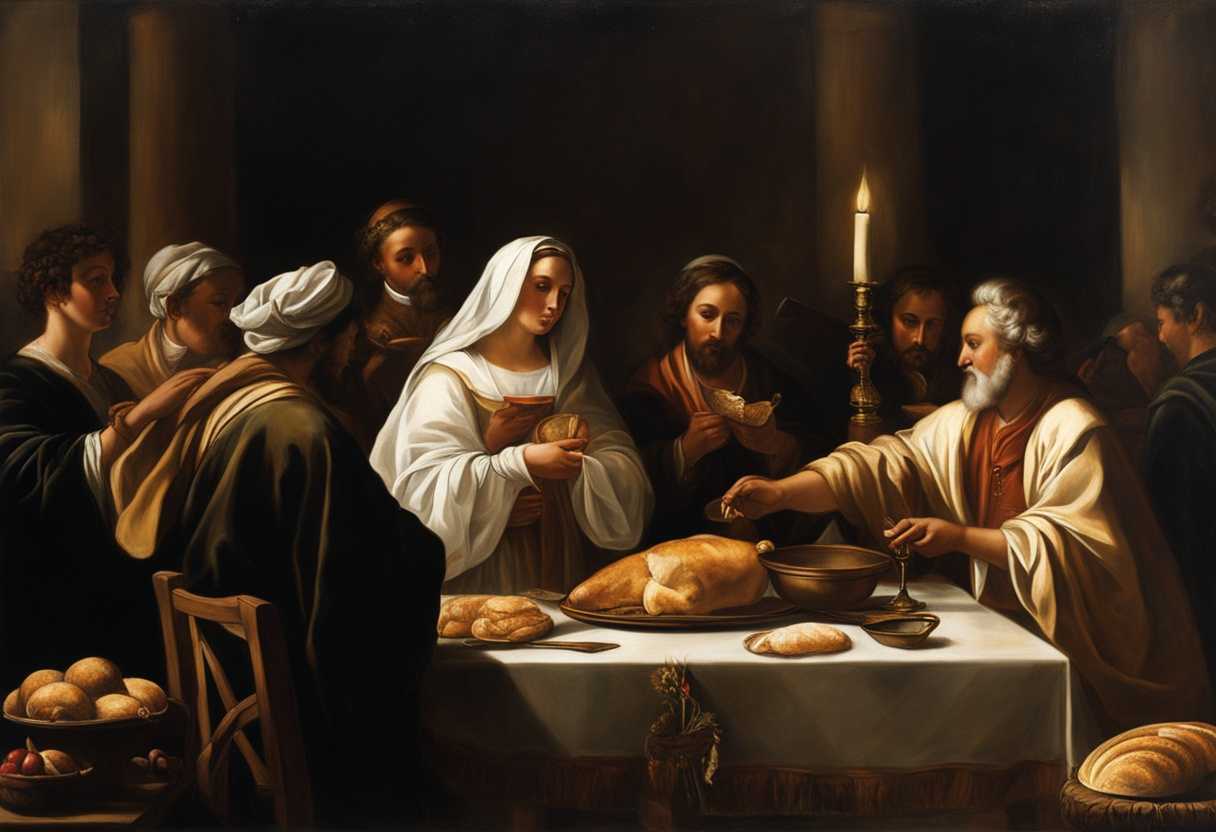
Setting the Scene for Numbers 28:16-25
The scene in Numbers 28:16-25 takes place in the wilderness of Sinai, where the Israelites have been wandering after their exodus from Egypt. The Israelites are encamped around the Tabernacle, a portable sanctuary where they worship and offer sacrifices to God. The Tabernacle is surrounded by the twelve tribes of Israel, each with their designated place around the sacred tent.
Moses, the leader of the Israelites, is present along with Aaron, the high priest, and the other priests. They are preparing for the Feast of Weeks, also known as Pentecost, which is a harvest festival that occurs fifty days after Passover. The instructions given in these verses detail the offerings that are to be made during this festival, including the presentation of two loaves of bread made from the firstfruits of the wheat harvest.
The atmosphere is one of reverence and anticipation as the Israelites gather to celebrate and give thanks for the abundance of the harvest. The scent of freshly baked bread mingles with the smoke of the sacrifices, creating a sensory experience that enhances the spiritual significance of the occasion. The people are dressed in their finest garments, and the sound of prayers and songs of praise fill the air as they come together to honor God and commemorate His faithfulness.
What is Numbers 28:16-25 about?
The verse outlines the instructions for the Feast of Weeks, detailing the offerings that people were to make to God during this special time. The Feast of Weeks, also known as Shavuot or Pentecost, was a time of great celebration and thanksgiving for the harvest, as well as a time to honor God for His provision. The offerings of grain, wine, and animals were symbolic gestures of gratitude and worship, demonstrating the Israelites’ dependence on God for their sustenance and abundance.
Imagine the scene: the Israelites coming together to present their offerings in unity and reverence, acknowledging God’s faithfulness and blessings upon them. These offerings were not just about the physical items being presented, but about the heart behind the gesture – a heart of humility, gratitude, and devotion to the Almighty. Let us consider our own offerings to God as we reflect on this verse, honoring and glorifying Him in our lives by giving not just material possessions, but also our time, talents, and treasures.
Understanding what Numbers 28:16-25 really means
In Numbers 28:16-25, we delve into the detailed instructions for the observance of the Passover and the Feast of Unleavened Bread. These festivals hold a significant place in the Israelite calendar, serving as poignant reminders of God’s deliverance from Egypt. The passage sets a specific date, the fourteenth day of the first month, for the Lord’s Passover, marking a crucial event in Jewish history. It emphasizes the necessity of a holy convocation, a sacred assembly dedicated to worship and reflection, underlining the sanctity of the occasion.
The command to eat unleavened bread for seven days carries profound symbolism. It harkens back to the Israelites’ hurried departure from Egypt, where they had no time to let their bread rise. This act of consuming unleavened bread serves as a tangible reminder of their past struggles and God’s miraculous intervention. The related biblical passages, such as Exodus 12:1-14 and Leviticus 23:4-8, provide additional insights into the significance of these festivals and their observance, reinforcing their importance in the religious life of the Israelites.
In a broader context, the observance of Passover and the Feast of Unleavened Bread extends beyond historical commemoration. It resonates with believers today, prompting reflection on their own deliverance from sin through Jesus Christ, who is likened to the Passover lamb in 1 Corinthians 5:7-8. These festivals underscore the communal aspect of faith, emphasizing the value of collective worship and spiritual growth within a community of believers. Just as ancient Israelites gathered to remember God’s faithfulness, modern-day believers come together to celebrate their shared faith and heritage.
To illustrate the enduring impact of these festivals, consider a family tradition like an annual birthday celebration for a grandparent. This ritual not only honors the grandparent but also strengthens familial bonds and creates lasting memories. Similarly, the observance of Passover and the Feast of Unleavened Bread fosters a sense of unity and continuity within the community of believers. The phrase “holy convocation” underscores the sacred nature of these gatherings, highlighting the importance of setting aside time for spiritual reflection and worship. Likewise, the symbolism of unleavened bread as a representation of purity and the removal of sin underscores the need for spiritual introspection and renewal.
By delving into the nuances of these ancient practices and their contemporary relevance, readers can grasp the profound depth of these rituals. They serve as pillars of faith, fostering community cohesion, remembrance of God’s faithfulness, and personal spiritual growth. As we reflect on the observance of Passover and the Feast of Unleavened Bread, we are reminded of the enduring power of tradition, community, and faith in shaping our spiritual journey.
How can we honor God with our firstfruits?
We can honor God with our firstfruits by giving them to Him willingly and cheerfully. This shows our gratitude for all that He has provided for us and recognizes His sovereignty over our lives. We demonstrate our trust and reliance on God for all our needs by offering our first and best to Him.
Honoring God with our firstfruits also involves prioritizing Him in our lives. When we give God the first of what we have, whether it be our time, talents, or resources, we are acknowledging His importance and putting Him above all else. This act of faithfulness and obedience pleases God and strengthens our relationship with Him.
Additionally, presenting our firstfruits to God can symbolize our commitment to seeking His kingdom above all else. We display a heart that is focused on His purposes and desires by trusting that God will provide for us as we honor Him with our firstfruits. This act of faith not only pleases God but also aligns our priorities with His, ultimately leading to a more fulfilling and blessed life.
Application
In our daily grind of juggling work and family responsibilities, let’s also remember to give our best to the One above. Just like meeting deadlines at work or being there for our loved ones, let’s offer our utmost devotion and service to the Lord. Let’s not cut corners, but present our whole selves as a heartfelt offering. Will you step up to this invitation and give your best to the Lord today?

Reverend Michael Johnson is an experienced Church Minister with a profound expertise in spirituality and guidance. With a serene presence and a compassionate heart, he has faithfully served his congregation for over 20 years, leading them on a spiritual journey towards inner peace and enlightenment. Reverend Johnson’s extensive knowledge of religious philosophies and profound understanding of human nature have made him a trusted confidant and mentor to many, as he seamlessly weaves his profound wisdom into life teachings. Reverend Johnson’s calming demeanor and empathetic nature continue to uplift and heal souls, nurturing a sense of unity and tranquility within his community.