
Numbers 28:7 is about the importance of offering a pleasing aroma to the Lord through the burnt offerings and drink offerings prescribed in the Old Testament law.
7 “Its drink offering shall be a quarter of a hin for each lamb. In the Holy Place you shall pour out a drink offering of strong drink to the Lord.”
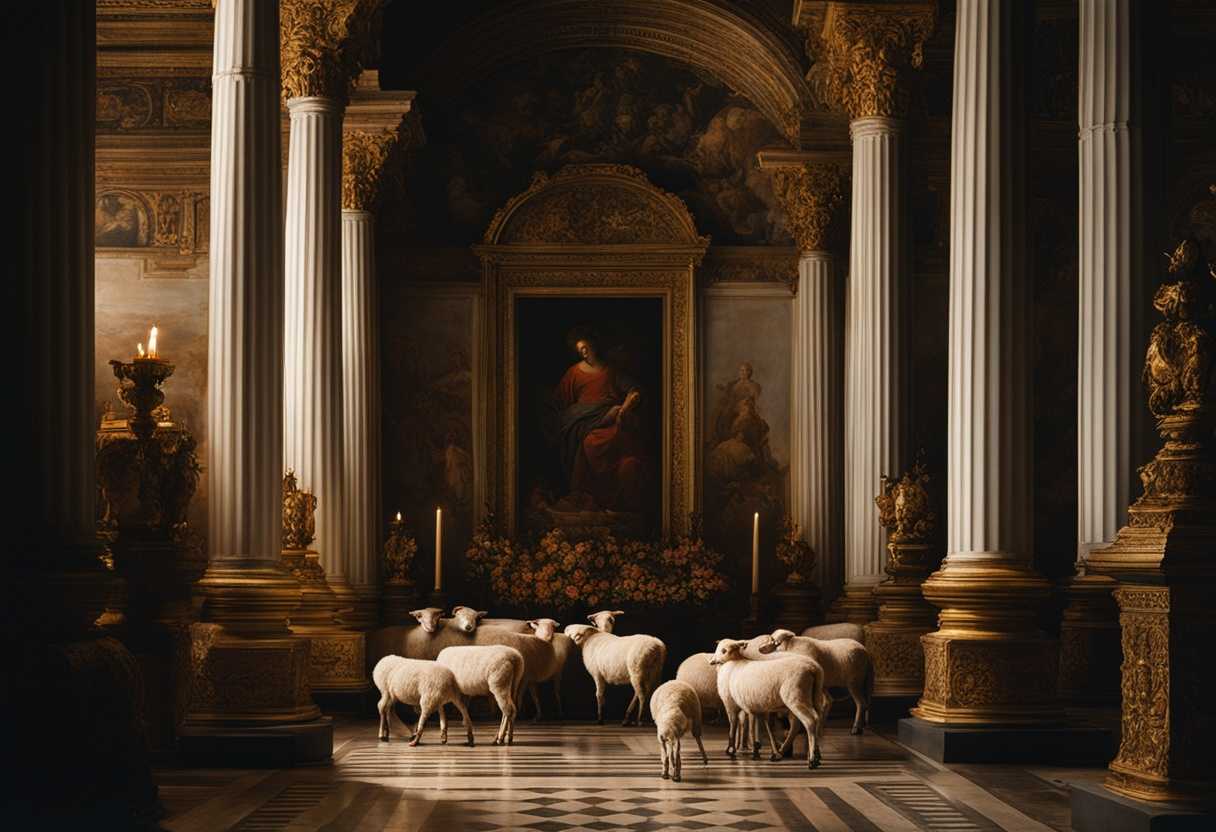
Setting the Scene for Numbers 28:7
In Numbers chapter 28, the scene is set in the wilderness as the Israelites are journeying towards the Promised Land. The Israelites have been wandering in the desert for years, following Moses, their leader, and receiving instructions from God on how to live and worship Him. The camp is organized according to the tribes of Israel, with each tribe having its designated place around the tabernacle, the sacred tent where God’s presence dwells among His people.
In this particular verse, Numbers 28:7, Moses is addressing the priests, Aaron and his sons, who have been consecrated to serve in the tabernacle. They are responsible for carrying out the daily sacrifices and offerings as prescribed by God. The scene is filled with the sights and sounds of the tabernacle, with the smell of incense and burning offerings permeating the air. The priests are dressed in their sacred garments, ready to fulfill their duties and maintain the spiritual well-being of the community.
As the Israelites continue their journey through the wilderness, the rituals and sacrifices outlined in Numbers 28 serve as a reminder of their covenant with God and the importance of obedience and worship. The scene is one of reverence and devotion, as the people seek to honor God and receive His blessings as they travel towards the land He has promised them.
What is Numbers 28:7 about?
This verse from Numbers 28:7 shows the significance of the drink offering that accompanies the burnt offering. Ancient people commonly offered worship to God through offerings. The burnt offering symbolized complete surrender and devotion to God, while the drink offering complemented it, representing the outpouring of gratitude and thanksgiving. Together, they created an aroma that was pleasing to the Lord, signifying a sincere and heartfelt act of worship.
Have you ever thought about what offerings you can bring to God in your own life? It’s not about material sacrifices but about offering your time, talents, and love to serve Him and others. Just like the pleasing aroma in this verse, our acts of worship can be a sweet fragrance to God when they are done with pure intentions and a humble heart.
So, as we reflect on this verse, let’s consider how we can make our lives a pleasing offering to the Lord. Let’s strive to cultivate a spirit of gratitude, devotion, and selflessness in all that we do, knowing that our offerings, whether big or small, can be a beautiful aroma that pleases our Heavenly Father.
Understanding what Numbers 28:7 really means
Numbers 28:7 is nestled within a segment of the Bible where God imparts instructions to Moses regarding the daily rituals of offerings and sacrifices. This particular verse focuses on the drink offering that is to accompany the daily burnt offering, highlighting the meticulous nature of worship in the Israelite tradition. The phrase “Its drink offering shall be one-fourth of a hin for each lamb” delineates the precise measurement of wine to be presented, symbolizing the themes of dedication and completeness in worship. This attention to detail underscores the importance of approaching God with reverence and exactness in religious practices.
“In the holy place you shall pour out a drink offering of strong drink to the Lord” emphasizes the sanctity of the act, indicating that offerings are to be made in a designated holy space. This directive underscores the significance of setting apart specific times and places for worship, signifying reverence and respect for the divine. The prescribed rituals serve as a tangible expression of devotion and a reminder of the sacredness inherent in approaching the Almighty.
Drawing parallels from related biblical passages such as Exodus 29:40 and Leviticus 23:13, we see a consistent thread of instructions regarding drink offerings, highlighting the continuity and importance of these practices in religious observances. Additionally, in Philippians 2:17, Paul metaphorically likens himself to a drink offering, symbolizing a life poured out in service and sacrifice for the faith. This imagery underscores the concept of sacrificial living and selfless devotion to God and others.
In a contemporary context, the symbolism of dedication inherent in Numbers 28:7 resonates with believers today. Just as the Israelites were called to offer a specific measure of wine, we are encouraged to dedicate specific aspects of our lives to God, demonstrating our commitment and devotion. The act of pouring out a drink offering in a holy place serves as a reminder to approach God with reverence and to create sacred moments in our daily lives for worship and reflection.
Consider a modern-day illustration of a family dedicating their Sunday afternoons to community service as their “offering” to God. This act reflects their commitment to worship through action, mirroring the reverence and dedication exemplified in the ancient drink offerings. By embodying the principles of dedication, reverence, and sacrificial living encapsulated in Numbers 28:7, we can enrich our spiritual journey and deepen our connection with the divine.
In conclusion, Numbers 28:7, though rooted in a specific historical and religious context, conveys timeless principles of devotion, reverence, and sacrificial living. By internalizing and applying these principles to our lives, we can cultivate a deeper spiritual awareness and foster a more profound relationship with God.
How can we offer God our best sacrifices daily?
We can offer God our best sacrifices daily by approaching Him with a heart of humility and gratitude. This means acknowledging His sovereignty in our lives and recognizing the privilege of being able to worship Him. Our sacrifices should be given with sincerity and a desire to honor God wholeheartedly.
Additionally, offering our best sacrifices daily involves a willingness to surrender our own preferences and desires to God’s will. This includes aligning our actions, thoughts, and attitudes with His teachings and commandments. We present our best sacrifices to God by striving to live according to His standards and seeking to please Him in all that we do.
Lastly, dedicating time each day to prayer, worship, and studying His Word allows us to continuously offer our best sacrifices to God. We demonstrate our devotion and commitment to serving Him faithfully by prioritizing our relationship with Him and making Him the center of our lives. This practice helps us to grow closer to God and to continually present ourselves as living sacrifices, holy and pleasing to Him.
Application
Embrace the power of sacrifice and devotion in your spiritual journey. Just as in your work and family life, show dedication and obedience to your faith. Let your actions speak louder than words, and honor your beliefs with genuine commitment. How can you bring this level of devotion into your own spiritual practice? How will you choose to show up for your faith today?

Reverend Michael Johnson is an experienced Church Minister with a profound expertise in spirituality and guidance. With a serene presence and a compassionate heart, he has faithfully served his congregation for over 20 years, leading them on a spiritual journey towards inner peace and enlightenment. Reverend Johnson’s extensive knowledge of religious philosophies and profound understanding of human nature have made him a trusted confidant and mentor to many, as he seamlessly weaves his profound wisdom into life teachings. Reverend Johnson’s calming demeanor and empathetic nature continue to uplift and heal souls, nurturing a sense of unity and tranquility within his community.