
Numbers 29:1-6 is about the detailed instructions provided to the Israelites regarding the offerings and sacrifices they were to present to the Lord during the Feast of Trumpets, highlighting the importance of obedience and reverence in their worship practices.
1 “On the first day of the seventh month you shall have a holy convocation. You shall not do any ordinary work. It is a day for you to blow the trumpets,
2 And you shall offer a burnt offering, a pleasing aroma to the Lord: one bull from the herd, one ram, seven male lambs a year old without blemish;
3 And you shall offer a burnt offering, a pleasing aroma to the Lord: two bulls from the herd, one ram, seven male lambs a year old;
4 And you shall offer a burnt offering to the Lord, a pleasing aroma: one bull from the herd, one ram, seven male lambs a year old without blemish;
5 And one male goat for a sin offering to the Lord; it shall be offered besides the regular burnt offering and its drink offering.
6 besides the burnt offering of the new moon, and its grain offering, and the regular burnt offering and its grain offering, and their drink offering, according to the rule for them, for a pleasing aroma, a food offering to the Lord.
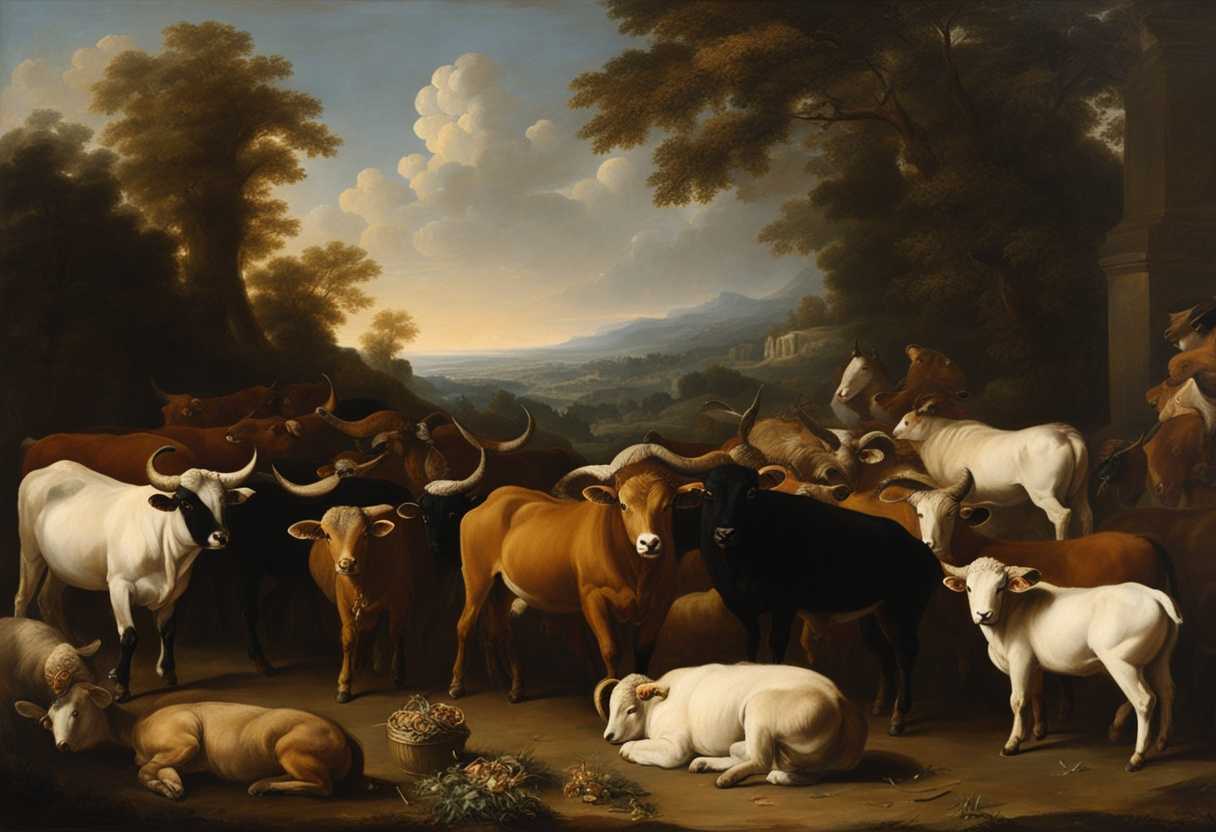
Setting the Scene for Numbers 29:1-6
The scene in Numbers 29:1-6 takes place in the wilderness of Sinai, where the Israelites have been wandering for some time after their exodus from Egypt. The Israelites have set up camp around the Tabernacle, a portable sanctuary where they worship and make offerings to God. The Tabernacle is surrounded by the twelve tribes of Israel, each with their designated place around the sacred tent.
In this particular passage, Moses, the leader of the Israelites, is addressing the priests and instructing them on the various offerings that are to be made during the appointed times, such as the Feast of Trumpets and the Day of Atonement. The priests, including Aaron and his sons, have been consecrated to serve in the Tabernacle and are responsible for carrying out the rituals and sacrifices according to God’s commands.
As the Israelites prepare to observe these holy days and offer sacrifices to God, there is a sense of reverence and solemnity in the camp. The people are gathered together, eager to follow God’s instructions and seek His favor as they continue their journey through the wilderness towards the Promised Land.
What is Numbers 29:1-6 about?
The verse gives us guidance on how to honor the Lord during the Feast of Trumpets by offering daily sacrifices. The sacrifices were a way for the Israelites to show their devotion and thanks to God. They were acknowledging God’s greatness and showing their commitment to Him by presenting these offerings. The Feast of Trumpets was a significant event in the Jewish calendar, marking the beginning of a new year and symbolizing a time of reflection and renewal.
Have you ever wondered why sacrifices were an important part of ancient religious practices? They were a way for people to physically demonstrate their faith and show their willingness to give up something valuable to them for the sake of their spiritual beliefs. The Israelites set aside time each day to honor and worship God by offering daily sacrifices during the Feast of Trumpets in this verse. It was a reminder to prioritize their relationship with Him and to express gratitude for all His blessings. Reflecting on this verse, we can think about how to apply this concept of daily sacrifices to our own lives. While we may not offer literal sacrifices as they did in ancient times, we can still take inspiration from this practice by setting aside time each day to prioritize our spiritual well-being and express gratitude to a higher power. How can we incorporate daily rituals of gratitude and worship into our busy lives to strengthen our connection with something greater than ourselves? Let’s take a moment to ponder on the importance of daily sacrifices in nurturing our faith and demonstrating our commitment to what we hold sacred.
Understanding what Numbers 29:1-6 really means
The Book of Numbers, a foundational text in both Judaism and Christianity, delves into the significance of offerings and sacrifices during the Feast of Trumpets, observed on the first day of the seventh month in the Jewish calendar. This period serves as a time of reflection, repentance, and renewal, emphasizing the importance of spiritual introspection. The command for a “holy convocation” underscores the communal aspect of worship, calling believers to come together in unity to seek God’s presence and guidance. Additionally, the directive to refrain from customary work highlights the need to prioritize spiritual matters over worldly concerns, setting aside distractions to focus on matters of the soul.
The phrase “offerings made by fire” symbolizes dedication, purification, and a desire to draw closer to God, reflecting a deep yearning for spiritual growth and intimacy with the divine. These sacrifices were not merely ritualistic but carried profound symbolic meaning, signifying a willingness to surrender one’s desires and ambitions in service to God. The Feast of Trumpets, as outlined in Numbers 29:1-6, serves as a reminder of the importance of intentional worship, sacrificial giving, and communal celebration in the life of believers.
Drawing connections to other biblical passages, such as Leviticus 23:23-25 and Psalm 81:3, reinforces the significance of the Feast of Trumpets and the use of trumpets in calling the community to worship and celebration. Moreover, the New Testament reference in 1 Thessalonians 4:16 links the sound of the trumpet with the return of Christ, adding an eschatological dimension to the symbolism of the trumpet in biblical imagery. These interconnections highlight the continuity and depth of biblical themes across different texts and contexts.
In our contemporary context, the principles outlined in Numbers 29:1-6 remain relevant and applicable. The call to set aside time for spiritual reflection, participate in communal worship, and make personal sacrifices for the sake of spiritual growth resonates with believers today. Just as the Israelites paused their customary work to focus on their relationship with God during the Feast of Trumpets, modern-day believers can benefit from intentional moments of spiritual retreat, communal worship, and sacrificial service to deepen their faith and connection with the divine.
Consider a scenario where a busy professional, overwhelmed by the demands of daily life, decides to take a day off to attend a church retreat. During this time of retreat, they disconnect from their usual routine, engage in prayer, and reflect on their life and faith. This intentional break allows them to return to their responsibilities with a renewed sense of purpose and peace, akin to the Israelites who paused their work to focus on their spiritual relationship with God during the Feast of Trumpets. This anecdote illustrates the transformative power of setting aside time for God, engaging in communal worship, and making personal sacrifices to nurture spiritual growth and renewal.
In conclusion, Numbers 29:1-6 serves as a timeless reminder of the importance of spiritual reflection, communal worship, and sacrificial devotion in the life of believers. By heeding these principles and incorporating them into our modern-day practices, we can deepen our faith, strengthen our connection with God, and experience spiritual renewal that transcends time and cultural contexts.
How can we live in alignment with God’s calendar?
Living in alignment with God’s calendar requires us to be intentional about honoring and observing the appointed times that God has set. These designated times are significant for cultivating a deeper connection with God and understanding His plan for our lives. We can participate in the sacred rhythms that God has established for His people by keeping track of God’s calendar.
One way to live in alignment with God’s calendar is to pay attention to the specific instructions and offerings that are to be made during each appointed time. These rituals serve as a way to express our gratitude, seek forgiveness, and renew our commitment to God. We demonstrate our faithfulness and reverence for God’s timing and instructions by following these practices diligently.
Furthermore, by acknowledging and celebrating the significance of each appointed time, we can enrich our spiritual journey and experience a deeper sense of unity with God and His people. These holy gatherings are not merely ceremonial events but opportunities for personal growth, communal worship, and spiritual renewal. We can strengthen our faith, gain deeper insights into God’s plan, and align our lives more closely with His divine purposes by engaging wholeheartedly in these moments.
Application
Unleash the power within you to honor the Lord with your sacrifices. Just as you dedicate your time and energy to your work and family, channel that same devotion towards your spiritual growth. Show gratitude by giving back a portion of your blessings. How will you carve out space in your life to draw closer to the divine? Will you answer the call with an open heart, ready to deepen your connection through your offerings?

Reverend Michael Johnson is an experienced Church Minister with a profound expertise in spirituality and guidance. With a serene presence and a compassionate heart, he has faithfully served his congregation for over 20 years, leading them on a spiritual journey towards inner peace and enlightenment. Reverend Johnson’s extensive knowledge of religious philosophies and profound understanding of human nature have made him a trusted confidant and mentor to many, as he seamlessly weaves his profound wisdom into life teachings. Reverend Johnson’s calming demeanor and empathetic nature continue to uplift and heal souls, nurturing a sense of unity and tranquility within his community.