
Numbers 29:20-22 is about the required offerings to be presented on the seventh day of the Feast of Tabernacles, signifying the importance of showing gratitude and dedication to God through sacrificial offerings during times of celebration and remembrance.
20 then you shall offer one bull from the herd, one ram, and seven male lambs a year old; they shall be without blemish.
21 And on the fifth day nine bulls, two rams, fourteen male lambs a year old without blemish;
22 “And one male goat for a sin offering to the Lord; it shall be offered besides the regular burnt offering and its drink offering.”
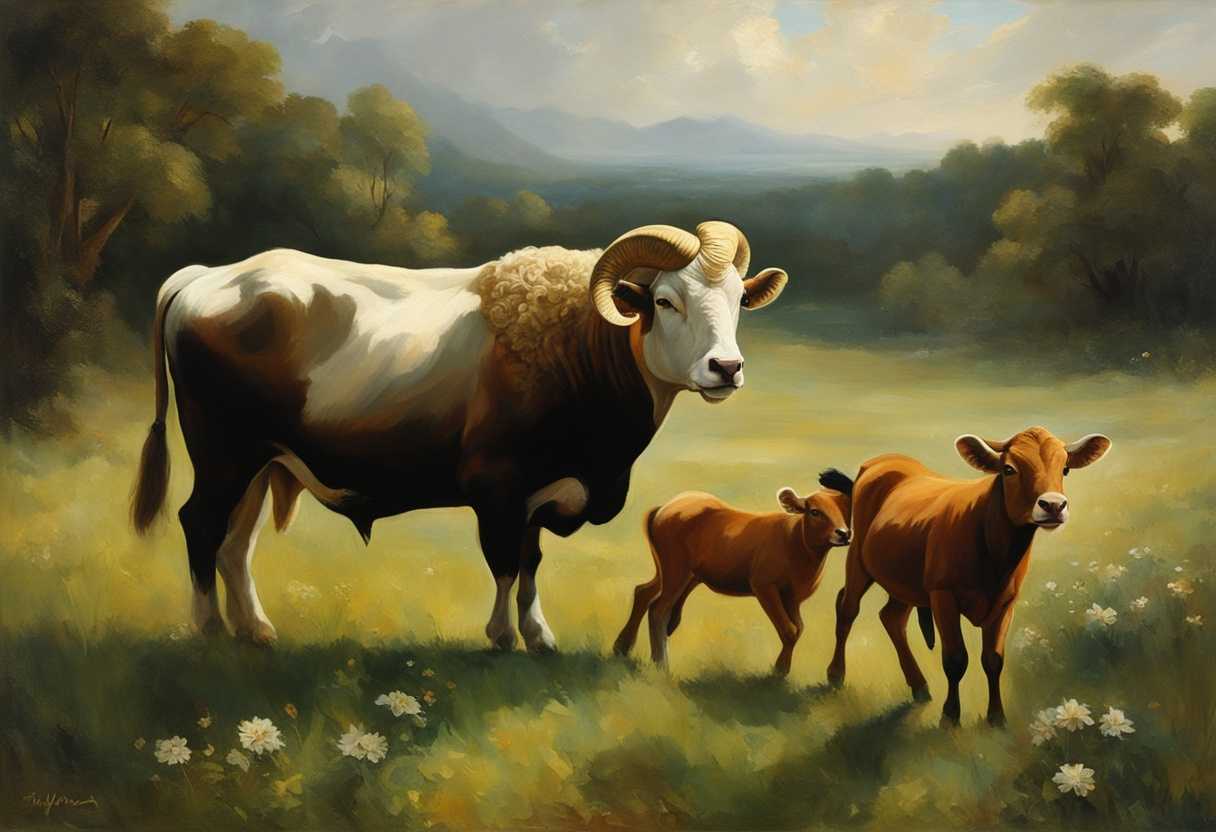
Setting the Scene for Numbers 29:20-22
The scene in Numbers 29:20-22 takes place during the Feast of Tabernacles, also known as the Feast of Booths or Sukkot. The Israelites have gathered in the wilderness, having been led by Moses out of Egypt. The surroundings are a vast desert landscape, with the Israelite camp set up in an organized manner with the Tabernacle at its center.
In this particular scene, Moses, Aaron, and the rest of the Israelite community are preparing to offer sacrifices to the Lord as part of the celebration of the Feast of Tabernacles. The atmosphere is one of reverence and anticipation as the people come together to worship and honor God. The sacrifices being offered are a symbol of thanksgiving and dedication to the Lord for His provision and protection throughout their journey in the wilderness.
As the smoke from the sacrifices rises into the sky, the people bow their heads in prayer and praise, grateful for the blessings they have received. The scene is filled with the sounds of prayers, songs, and the crackling of the sacrificial fires, creating a sacred and solemn atmosphere as the Israelites come together to worship their God.
What is Numbers 29:20-22 about?
The verses in Numbers 29:20-22 detail the specific offerings that were to be made during the Feast of Tabernacles, also known as Sukkot. This festival was an important agricultural festival for the Israelites, where they would dwell in temporary shelters or booths to commemorate their journey through the wilderness. The offerings mentioned in these verses were a part of the ritual and sacrificial practices that were central to the religious life of the Israelites. We can reflect on the significance of these offerings during the Feast of Tabernacles as we read these verses. They were not just material sacrifices but were also symbolic of the Israelites’ gratitude and dedication to God. The specific instructions for these offerings show the meticulous care and reverence with which the Israelites approached their worship. It prompts us to consider how we, too, can express our gratitude and dedication to our faith in our own lives today.
Have you ever thought about the rituals and ceremonies of ancient cultures and how they connect to their beliefs and values? How does this passage make you think about the importance of rituals and traditions in your own faith or culture? Let’s ponder on the ways in which we can express our gratitude and devotion in our modern context, mirroring the reverence and dedication shown by the Israelites in their offerings during the Feast of Tabernacles.
Understanding what Numbers 29:20-22 really means
The Book of Numbers, attributed to Moses, provides a detailed account of the offerings and sacrifices prescribed for the Israelites during their festivals. In Numbers 29, the focus is on the Feast of Tabernacles, with verses 20-22 outlining the offerings for the third day of the festival. This specificity highlights the importance of order and structure in worship, emphasizing the significance of timing within the context of religious observance.
The mention of “offerings” in these verses encompasses burnt offerings, grain offerings, and drink offerings. Each type symbolizes different aspects of worship: dedication, sustenance, and joy, respectively. The requirement for these offerings to be “without defect” underscores the need for perfection in worship, symbolizing the purity and holiness expected in approaching God.
Related passages such as Leviticus 23:33-43 further elaborate on the Feast of Tabernacles, emphasizing the themes of rejoicing and remembrance of God’s provision. Hebrews 10:1-10 connects the sacrificial system of the Old Testament to the ultimate sacrifice of Jesus Christ, highlighting how He fulfilled the law and offered Himself as the perfect sacrifice.
The principles highlighted in Numbers 29:20-22 remain relevant to believers today. They remind us of the importance of order and structure in worship, the pursuit of purity and holiness in our lives, and the significance of sacrifice and dedication in our relationship with God. Just as the Israelites meticulously followed the instructions for their offerings, we can approach our worship with intentionality and reverence, offering our best to God.
Consider a family preparing for Thanksgiving, meticulously planning a meal with care and attention. This act reflects their dedication to tradition and each other. Similarly, the Israelites’ detailed offerings demonstrated their reverence to God. Today, we can emulate this spirit by approaching our worship and service with care, recognizing that our imperfect efforts are meaningful expressions of our faith.
In conclusion, Numbers 29:20-22 provides timeless principles about worship, purity, and dedication. By reflecting on these verses and related passages, we can deepen our understanding of how to honor God and reflect His holiness in our lives. Let us strive to approach our worship with order, pursue purity, and offer our dedication to God in a manner that is pleasing and acceptable in His sight.
How can we best honor the Lord with our possessions?
We can best honor the Lord with our possessions by giving generously and cheerfully. When we recognize that everything we have belongs to God and that He is the ultimate provider, we can demonstrate our faith and gratitude by offering our possessions back to Him with open hands and hearts. We acknowledge His sovereignty and trust in His provision for our needs by willingly giving a portion of what we have been blessed with.
Furthermore, honoring the Lord with our possessions is not just about giving financially, but also about using what we have in ways that reflect His character and values. This can include being good stewards of our resources, using them to help those in need, and being mindful of how we acquire and manage our possessions. We can honor the Lord by seeking His guidance and aligning our choices with His will in all that we do with our possessions, whether we are giving, saving, or spending.
Application
Embrace the call to dedicate yourself entirely to God, pouring out your heart and soul just like the Israelites did with their offerings. Let your work, your relationships, and your daily choices reflect your unwavering commitment to God. Give Him your very best in all that you do, striving to demonstrate your love and devotion through every action and every word. How will you rise to the challenge of honoring God wholeheartedly in your life today?

Reverend Michael Johnson is an experienced Church Minister with a profound expertise in spirituality and guidance. With a serene presence and a compassionate heart, he has faithfully served his congregation for over 20 years, leading them on a spiritual journey towards inner peace and enlightenment. Reverend Johnson’s extensive knowledge of religious philosophies and profound understanding of human nature have made him a trusted confidant and mentor to many, as he seamlessly weaves his profound wisdom into life teachings. Reverend Johnson’s calming demeanor and empathetic nature continue to uplift and heal souls, nurturing a sense of unity and tranquility within his community.