
Numbers 2:25-31 is about the arrangement of the tribes of Dan, Asher, and Naphtali in their designated positions around the tabernacle, symbolizing the importance of order and unity in worship and community.
25 On the north side shall be the standard of the camp of Dan by their companies, the chief of the people of Dan being Ahiezer the son of Ammishaddai.
26 and his army as listed by their companies, the chief of all the people of Gad being Eliasaph the son of Reuel,
27 and those who camp next to him shall be the tribe of Asher, the chief of the people of Asher being Pagiel the son of Ochran.
28 This was the order of march of the people of Israel by their companies, when they set out.
29 Then the tribe of Naphtali, the chief of the people of Naphtali being Ahira the son of Enan, – Numbers 2:29
30 On the south side shall be the standard of the camp of Reuben by their companies, the chief of the people of Reuben being Elizur the son of Shedeur,
31 All those listed of the camp of Dan were 157,600. They shall set out last, standard by standard.”
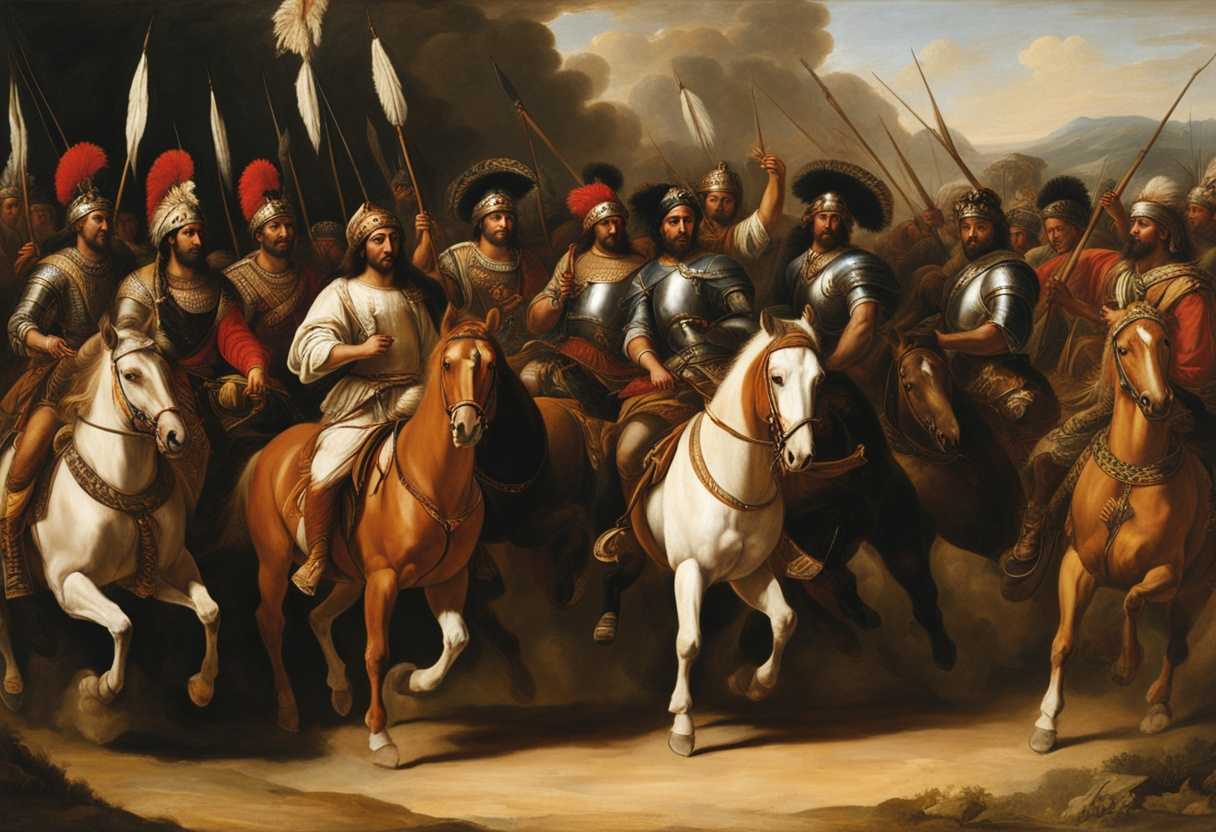
Setting the Scene for Numbers 2:25-31
In the camp of the Israelites, as described in Numbers 2:25-31, the scene is bustling with activity as the tribes of Ephraim, Manasseh, and Benjamin are positioned on the west side of the tabernacle. The tribe of Ephraim, led by Elishama son of Ammihud, is camped to the west with 40,500 men ready for battle. Next to them, the tribe of Manasseh, under the leadership of Gamaliel son of Pedahzur, is encamped with 32,200 warriors. Finally, the tribe of Benjamin, led by Abidan son of Gideoni, is stationed with 35,400 soldiers.
The camp is organized with each tribe having its designated place around the tabernacle, following the instructions given by Moses. The colorful banners of each tribe flutter in the wind, marking their respective territories. The sound of trumpets can be heard as the leaders of each tribe coordinate their movements and prepare for the journey ahead. The atmosphere is one of order and unity as the Israelites follow the divine command to camp in a specific formation, symbolizing their reverence for God and their readiness to follow His guidance as they continue their journey through the wilderness.
What is Numbers 2:25-31 about?
The verse provides a detailed account of how the Israelite camp was organized around the tabernacle. Each tribe had a specific position and direction in which they were to camp. This organization symbolized the unity and order within the community of Israel, with the tabernacle at the center representing the presence of God among his people. This arrangement also served practical purposes, ensuring that each tribe had access to the tabernacle and facilitating communication and movement within the camp.
Imagine being a part of this community, seeing the careful planning and coordination that went into arranging the camp. How would it feel to know that your tribe had a designated place in the larger community, with a specific role to play? The symbolism of the tabernacle serves as a focal point for this organization, reminding them of God’s presence and guidance in their daily lives. Reflect on how this organization reflected both the physical and spiritual dimensions of the Israelite community, maintaining order and unity while also deepening their connection to their faith.
Understanding what Numbers 2:25-31 really means
The Book of Numbers, nestled within the Torah, offers a glimpse into the Israelites’ wilderness journey, with Numbers 2 focusing on the meticulous arrangement of their camp around the Tabernacle. This emphasis on order and structure underscores the significance of organization in communal settings. Within this context, phrases like “The standard of the camp of Dan” illuminate the tribal identity and unity symbolized by unique banners. The positioning of Dan on the north side by their divisions highlights the precision with which the tribes were placed, showcasing the importance of structured placement.
Leadership emerges as a pivotal theme in Numbers 2, as seen in the mention of “The leader of the people of Dan.” This reference underscores the crucial role of leaders in guiding and organizing the community, a concept echoed throughout biblical narratives. Drawing parallels, Exodus 40:36-38 illustrates divine guidance through the cloud and fire, mirroring the order and structure evident in Numbers 2. Similarly, 1 Corinthians 14:40 emphasizes the necessity of conducting affairs in a fitting and orderly manner, resonating with the organized arrangement of the Israelite camp.
In a contemporary context, the principles highlighted in Numbers 2 hold relevance for modern communities. The need for order and structure within churches and other communal settings mirrors the Israelites’ requirement for organization. Furthermore, the emphasis on leadership and responsibility serves as a timeless reminder of the pivotal role leaders play in maintaining order and cohesion. The symbolism of tribal standards in fostering identity and unity prompts reflection on the significance of community and belonging in our present-day lives.
To illustrate the practical application of these principles, envision a well-structured family reunion where each member has designated roles and responsibilities. Just as the grandparents provide guidance and each family unit contributes to the gathering’s success, the orderly arrangement of the Israelite camp ensured their communal functionality during their journey. This analogy underscores the importance of order, leadership, and unity in fostering harmonious relationships and effective collaboration within communities.
In conclusion, Numbers 2:25-31 imparts timeless lessons on the value of order, leadership, and unity. These principles serve as pillars for building strong, cohesive communities across various spheres of life, be it personal, professional, or spiritual. By embracing these teachings, we can cultivate environments that thrive on organization, effective leadership, and a sense of shared identity, ultimately fostering unity and harmony among individuals.
How can we embrace our unique purpose in unity?
Recognizing and embracing our unique purpose within a unified community involves understanding that each individual contributes distinct strengths and qualities that are essential to the collective goal. Like the tribes in the verse, we must come together, each fulfilling our specific role and function to advance the common vision. This unity does not diminish our individuality but rather enhances it, as we find our place and significance within the broader framework of the community. We can create a harmonious and effective environment where everyone feels valued and essential by appreciating and honoring the diversity of gifts and talents that each person brings. We can align ourselves with others based on our individual strengths, working together towards a shared purpose, just as the tribes in the verse were strategically positioned around the tabernacle according to their unique attributes. We can celebrate our differences while uniting in our commitment to a common cause, reinforcing the idea that diversity and unity can coexist and thrive in harmony.
Application
Embracing the lessons from Numbers 2:25-31, envision the strength in unity and harmony among the Israelites. Similarly, let us engage in obedience and togetherness with our community. Draw inspiration from this story to purposefully align yourself with God’s guidance. Will you join in solidarity with your spiritual family, walking hand in hand towards a common goal?

Reverend Michael Johnson is an experienced Church Minister with a profound expertise in spirituality and guidance. With a serene presence and a compassionate heart, he has faithfully served his congregation for over 20 years, leading them on a spiritual journey towards inner peace and enlightenment. Reverend Johnson’s extensive knowledge of religious philosophies and profound understanding of human nature have made him a trusted confidant and mentor to many, as he seamlessly weaves his profound wisdom into life teachings. Reverend Johnson’s calming demeanor and empathetic nature continue to uplift and heal souls, nurturing a sense of unity and tranquility within his community.