
Numbers 5:8 is about invoking God’s protection and guidance to ensure that the chosen course of action is divinely influenced and successful.
8 But if the man has no next of kin to whom restitution may be made for the wrong, the restitution for wrong shall go to the Lord for the priest, in addition to the ram of atonement with which atonement is made for him.
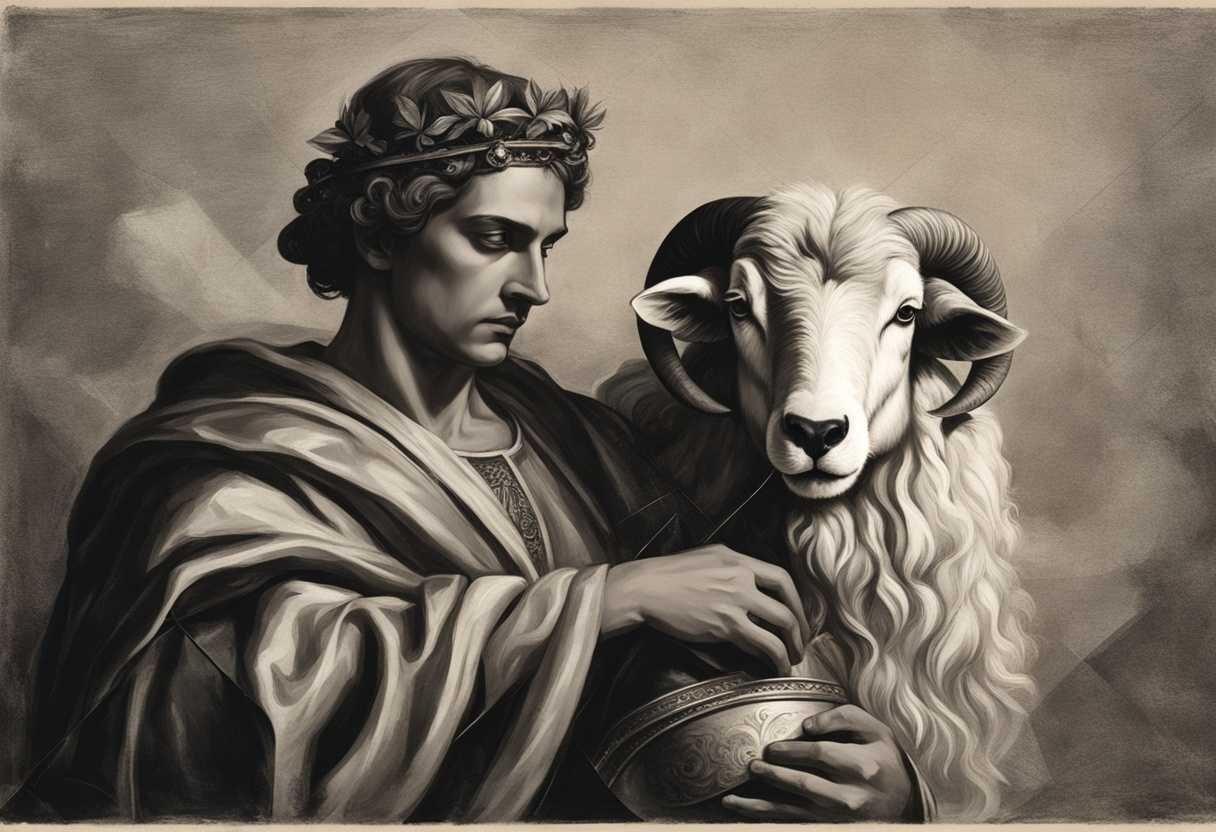
Setting the Scene for Numbers 5:8
In Numbers chapter 5, we find the Israelites encamped at the foot of Mount Sinai, following their exodus from Egypt. The scene is bustling with activity as Moses, the leader chosen by God, is instructing the people on various laws and regulations given to them by the Lord. The Israelites have set up their tents in an orderly fashion around the tabernacle, the sacred dwelling place of God among his people.
Among the crowd gathered to hear Moses speak are Aaron, the high priest, and his sons who assist in the priestly duties. The Levites are also present, ready to carry out their responsibilities in service to the tabernacle. As Moses explains the laws regarding jealousy and suspected infidelity in marriage, the people listen intently, knowing that obedience to God’s commands is crucial for their journey to the Promised Land.
The atmosphere is charged with a sense of reverence and awe as the people come to understand the importance of purity and faithfulness in their relationships. The gravity of the situation is palpable, as the consequences of disobedience to God’s laws are made clear. In this setting, the Israelites are reminded of the holiness of God and the need to uphold his standards in all aspects of their lives.
What is Numbers 5:8 about?
This verse is likely referring to a specific cultural or religious practice aimed at dealing with the suspicion of infidelity in a marriage. This ritual may involve a set of actions, prayers, ceremonies, or other customs intended to address and resolve the issue of suspected unfaithfulness between spouses. The purpose of such a ritual could be to bring clarity, peace, and resolution to a challenging and delicate situation within the marriage. This ritual may provide a structured way for a couple to address and possibly reconcile the issues at hand as they navigate the challenging dynamics of suspicion and mistrust. Through the ritual, the couple may seek to restore trust, communication, and a sense of unity within their relationship. It could also serve as a way to honor the sanctity of marriage and the commitment between the partners, offering them a path towards healing and forgiveness. The couple should consider what this ritual may symbolize and how it could impact their relationship moving forward. Reflect on the significance of rituals in providing a sense of closure, understanding, and renewal in times of difficulty. How might engaging in this ritual strengthen the bond between the spouses and help them move past the challenges they are facing in their marriage?
Understanding what Numbers 5:8 really means
The Book of Numbers, nestled within the Torah, offers a glimpse into the Israelites’ journey through the desert, navigating various laws and regulations. In Numbers 5, the focus shifts to restitution and atonement, shedding light on the importance of justice and making amends for wrongs committed. One key phrase in verse 8 highlights a scenario where restitution cannot be directly made to a victim due to the absence of living relatives, emphasizing the enduring significance of seeking justice even in complex situations.
Moreover, the verse underscores the notion that when traditional avenues for restitution are unavailable, the offering should be directed towards the priest, symbolizing a dedication to God’s principles of righteousness and accountability. This concept transcends the immediate context of ancient Israel and resonates with broader ethical considerations that transcend time and culture. It prompts reflection on the ultimate accountability of our actions to a higher moral authority.
Drawing parallels with related biblical passages such as Leviticus 6:1-7, Matthew 5:23-24, and Luke 19:8, we glean insights into the interconnected themes of restitution, reconciliation, and personal responsibility. These passages collectively emphasize the importance of not only seeking forgiveness from those we have wronged but also from God, highlighting the holistic nature of restitution in fostering harmonious relationships and moral integrity.
In a contemporary context, the principle of restitution remains pertinent, serving as a moral compass that guides individuals towards acknowledging their wrongs, seeking forgiveness, and actively working towards making things right. It underscores the enduring value of accountability and the transformative power of seeking reconciliation, both in interpersonal relationships and in one’s spiritual journey.
Consider a scenario where a business owner uncovers embezzlement within their company, prompting reflection on how the principles outlined in Numbers 5:8 could be applied. In the absence of direct restitution to the victim, the perpetrator’s decision to donate an equivalent amount to a charity supported by the business owner exemplifies a tangible manifestation of restitution, embodying the spirit of seeking justice and making amends in a meaningful way.
In conclusion, Numbers 5:8 serves as a poignant reminder of the timeless principles of justice, restitution, and accountability. By internalizing these teachings and actively incorporating them into our lives, we can contribute to the cultivation of a more just and compassionate society, where wrongs are acknowledged, amends are made, and relationships are restored, ultimately fostering a community grounded in righteousness and grace.
How can we seek spiritual purity and forgiveness?
We can follow the instructions given in Numbers 5:8 to seek spiritual purity and forgiveness. One way is to confess our sins and wrongdoings before God and ask for His forgiveness sincerely and humbly. Acknowledging our mistakes and seeking forgiveness is a crucial step in maintaining a close relationship with God and experiencing spiritual purification.
Additionally, we can strive to make amends for the harm we have caused others. This can involve seeking reconciliation with those we have wronged, asking for their forgiveness, and taking steps to repair any damage that has been done. We demonstrate our commitment to spiritual purity and growth by actively working towards rectifying our mistakes.
Furthermore, engaging in acts of worship, such as prayer, fasting, and charitable deeds, can also help us draw closer to God and seek His forgiveness. These acts of devotion and obedience can serve as a means of purifying our hearts and souls, allowing us to experience the transformative power of God’s forgiveness and mercy.
Application
Reflect on your actions today. Are you following the path set out for you in this digital world? Take a moment to pause and reassess your choices. Just like updating software, it’s time to align your actions with your values. Embrace this chance to steer back on track towards your purpose. Will you take this step towards a renewed sense of direction and connection?

Reverend Michael Johnson is an experienced Church Minister with a profound expertise in spirituality and guidance. With a serene presence and a compassionate heart, he has faithfully served his congregation for over 20 years, leading them on a spiritual journey towards inner peace and enlightenment. Reverend Johnson’s extensive knowledge of religious philosophies and profound understanding of human nature have made him a trusted confidant and mentor to many, as he seamlessly weaves his profound wisdom into life teachings. Reverend Johnson’s calming demeanor and empathetic nature continue to uplift and heal souls, nurturing a sense of unity and tranquility within his community.