
Numbers 7:30-35 is about the twelve leaders of the tribes of Israel bringing their offerings to the altar as a symbol of unity and devotion to the Lord.
30 one male goat for a sin offering;
31 one bull from the herd, one ram, one male lamb a year old, for a burnt offering;
32 one golden dish of 10 shekels, full of incense;
33 and one young bull, one ram, and one male lamb a year old for a burnt offering
34 and two oxen, five rams, five male goats, and five male lambs a year old, to be sacrificed as a peace offering, were brought by Gamaliel the son of Pedahzur.
35 one golden dish of 10 shekels, full of incense;
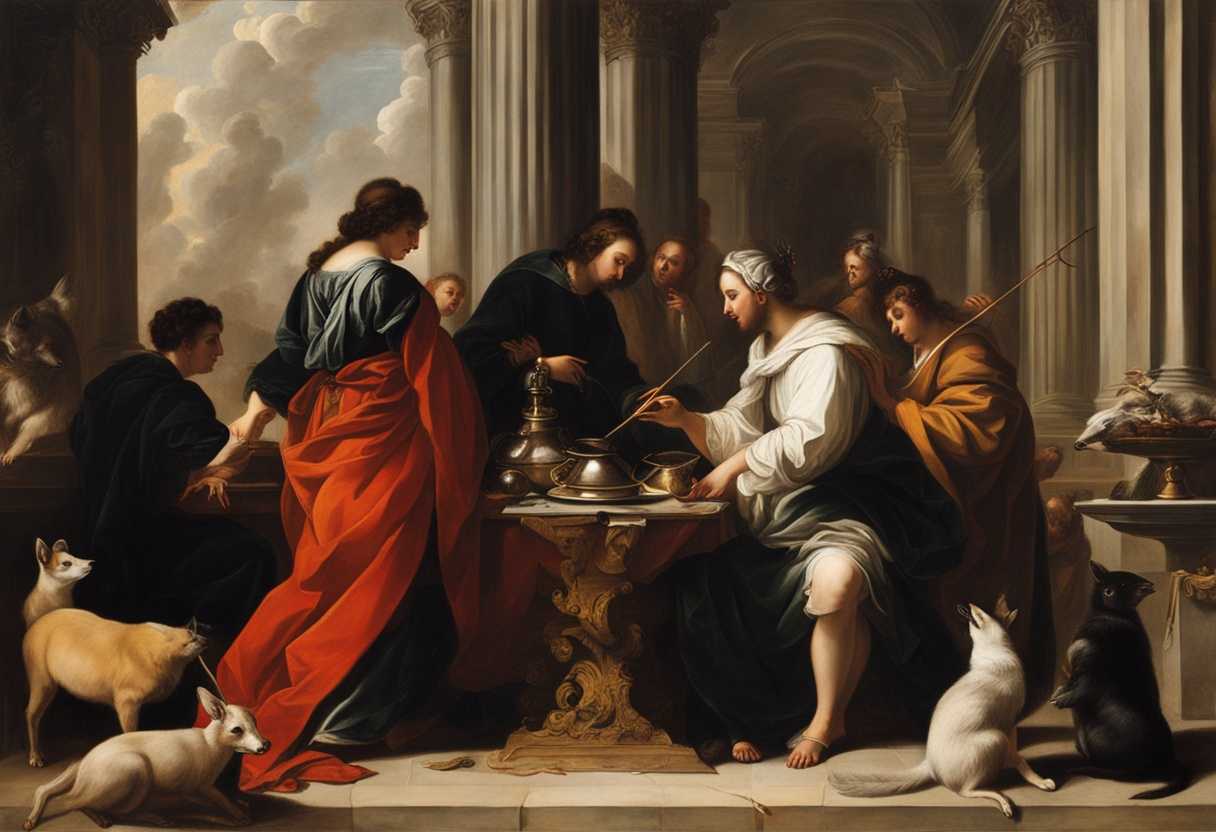
Setting the Scene for Numbers 7:30-35
In Numbers chapter 7, we find the scene set at the dedication of the altar. The leaders of the twelve tribes of Israel, including Nahshon of the tribe of Judah, Nethanel of the tribe of Issachar, Eliab of the tribe of Zebulun, Elizur of the tribe of Reuben, Shelumiel of the tribe of Simeon, Eliasaph of the tribe of Gad, Elishama of the tribe of Ephraim, Gamaliel of the tribe of Manasseh, Abidan of the tribe of Benjamin, Ahiezer of the tribe of Dan, Pagiel of the tribe of Asher, and Ahira of the tribe of Naphtali, come together to present offerings at the dedication of the altar.
The leaders bring their offerings one by one, each on a different day, to consecrate the altar for its holy purpose. The altar is surrounded by the vast camp of the Israelites, with the tabernacle at its center. The atmosphere is filled with reverence and anticipation as the leaders approach the altar with their gifts, symbolizing the unity and dedication of the twelve tribes to the Lord.
As each leader presents their offering, it is received by Moses on behalf of the Lord, signifying the acceptance of the tribes’ dedication. The scene is a powerful display of unity and devotion as the leaders of Israel come together to consecrate the altar and seek the favor of the Lord for their journey ahead.
What is Numbers 7:30-35 about?
Isn’t it fascinating how the leaders of Israel presented these offerings during the consecration of the altar? Each leader brought their gift as a symbol of their dedication and commitment to the divine purpose. Through their offerings, they demonstrated their unity and shared responsibility in serving God. This act of presenting offerings was not just a physical gesture but a spiritual declaration of their loyalty and devotion. The offerings were more than mere material possessions; they were a reflection of the leaders’ hearts and intentions as we reflect on these verses. It reminds us of the importance of giving from a place of true sincerity and reverence. We are called to offer our gifts and talents to honor and glorify God in all that we do, just as the leaders of Israel brought their offerings to consecrate the altar. Our offerings, whether big or small, are valuable in the eyes of the Divine when we give them with a pure and humble heart.
Understanding what Numbers 7:30-35 really means
The Book of Numbers, nestled within the Torah, recounts the Israelites’ wilderness journey, offering a glimpse into their experiences and encounters with God. In Numbers 7, we delve into the intricate details of the offerings presented by the leaders of the twelve tribes of Israel for the dedication of the altar. Specifically, verses 30-35 shed light on the offerings brought forth by Ahiezer, the leader of the tribe of Dan, son of Ammishaddai.
Ahiezer’s offerings were not mere material possessions but symbolic representations laden with profound meanings. A silver plate and bowl, meticulously weighed and filled with flour mixed with olive oil, symbolized purity, value, sustenance, and the anointing of the Holy Spirit. The gold dish, filled with incense, signified preciousness and the ascent of prayers to God. The sacrificial animals—bull, ram, male lamb, and male goat—each carried unique symbolism, representing strength, leadership, innocence, and atonement for sin, respectively. Additionally, the oxen, rams, goats, and lambs offered for fellowship underscored the importance of communal worship and unity in approaching God.
To grasp the significance of these offerings, one can turn to the detailed instructions on various sacrifices in Leviticus 1-7. These guidelines provide a deeper understanding of the symbolism and purpose behind each element of the offerings. Moreover, Hebrews 10:1-18 illuminates how Jesus Christ’s ultimate sacrifice fulfills and surpasses the sacrificial system of the Old Testament, emphasizing the importance of repentance and forgiveness. Psalm 141:2 beautifully links the incense offering to the prayers of the faithful, highlighting the intimate connection between worship and communication with God.
The relevance of these ancient offerings extends to contemporary times, serving as a poignant reminder of the significance of giving our best to God. Sacrifice and offering, whether in material possessions, time, talents, or devotion, continue to inspire selflessness and dedication in our spiritual lives. Furthermore, the communal nature of these offerings underscores the value of community and fellowship in our faith journey, emphasizing the strength found in unity and collective worship.
Consider a small community church where diverse contributions—financial support, volunteering, prayer, and encouragement—blend harmoniously to nurture spiritual growth. This collective effort mirrors the varied offerings in Numbers 7:30-35, illustrating that every contribution, regardless of size or form, holds intrinsic value and plays a vital role in the spiritual enrichment of the community. In essence, these offerings encapsulate timeless principles of dedication, sacrifice, and community, urging us to honor God with our best and cherish the diverse contributions of our faith community.
Are we willing to sacrificially give to God?
Yes, the passage in Numbers 7:30-35 highlights the willingness of the leaders of Israel to sacrificially give to God. Each leader brought a gift to the Lord, presenting them one by one over a span of several days. They did this out of a desire to show their dedication and faithfulness to God, offering their gifts with a pure heart. This example reminds us of the importance of being generous and sacrificial in our giving to God, giving not out of compulsion but out of a genuine desire to honor Him. We can reflect on the example set by these leaders in our own lives and consider how we can sacrificially give to God. This can involve not only our material possessions but also our time, talents, and resources. When we give to God in this way, we demonstrate our trust in Him and our willingness to prioritize His kingdom above our own desires. It is a way for us to show our love and devotion to God and to further His work here on earth. Sacrificial giving is ultimately a form of worship, a way for us to express our gratitude for all that God has done for us. We reflect on the example set by the leaders in Numbers 7:30-35, inspiring us to give generously and sacrificially to God, knowing that He sees the motives of our hearts and delights in our offerings given out of love and obedience.
Application
In Numbers 7:30-35, God’s Word speaks of dedication and commitment. Like the leaders of the twelve tribes, we too must bring our offerings before the Lord. What are you willing to sacrifice – your time, talents, or treasures – to strengthen your faith and serve God? Reflect on this, and ask yourself: What can I offer today to honor my commitment to God and His Kingdom?

Reverend Michael Johnson is an experienced Church Minister with a profound expertise in spirituality and guidance. With a serene presence and a compassionate heart, he has faithfully served his congregation for over 20 years, leading them on a spiritual journey towards inner peace and enlightenment. Reverend Johnson’s extensive knowledge of religious philosophies and profound understanding of human nature have made him a trusted confidant and mentor to many, as he seamlessly weaves his profound wisdom into life teachings. Reverend Johnson’s calming demeanor and empathetic nature continue to uplift and heal souls, nurturing a sense of unity and tranquility within his community.