
Numbers 9:11 is about following the laws and ordinances set forth by God, even when circumstances may seem inconvenient or challenging.
11 In the second month on the fourteenth day at twilight, they shall keep it.
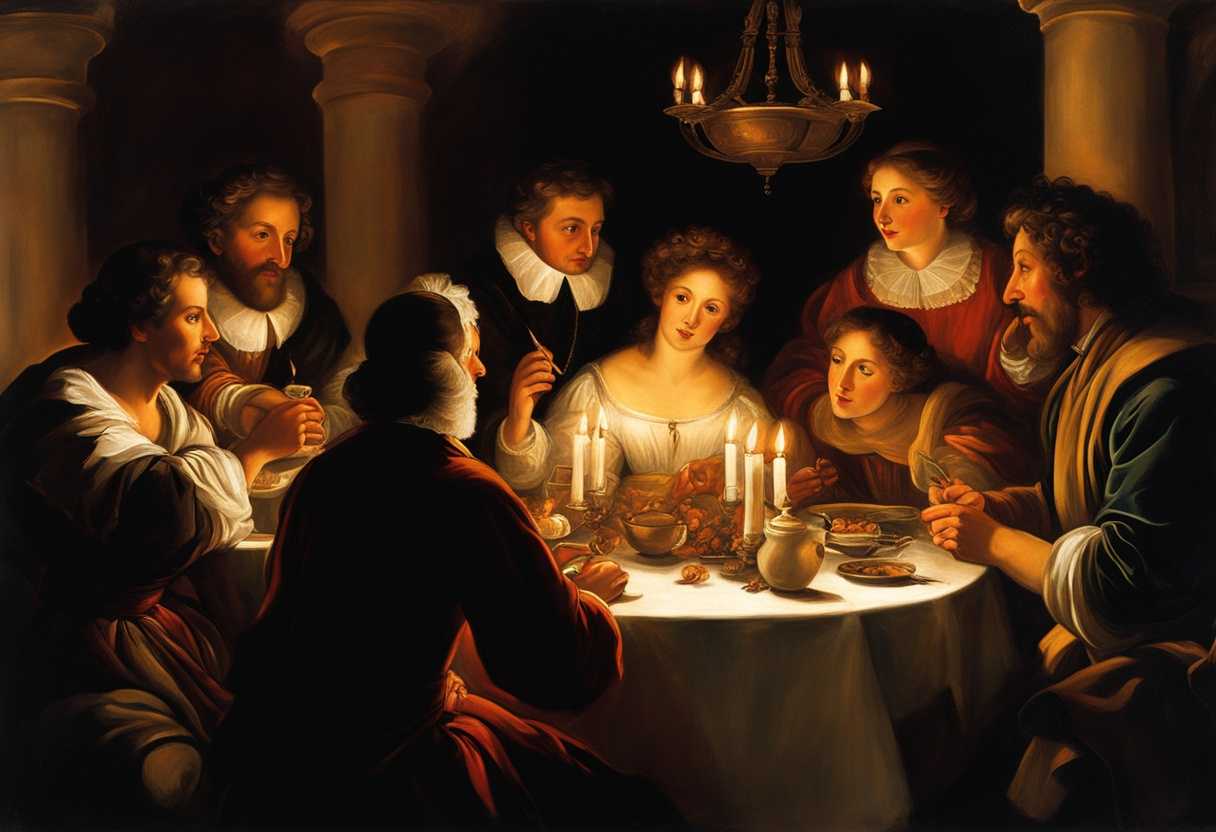
Setting the Scene for Numbers 9:11
In Numbers chapter 9, the scene is set in the wilderness during the time when the Israelites were journeying from Egypt to the Promised Land. The Israelites had just celebrated the Passover, a significant event in their history, and were following the cloud that was guiding them by day and the pillar of fire by night. The camp was set up in an orderly fashion, with the tabernacle at the center and the twelve tribes arranged around it.
Moses, the leader of the Israelites, was in the midst of the camp, overseeing the daily activities and ensuring that the people followed the instructions given to them by God. The people of Israel, including men, women, and children, were going about their daily routines, tending to their tents, gathering manna, and preparing for the next leg of their journey. The atmosphere was one of anticipation and obedience as the Israelites trusted in God’s guidance and provision.
In this particular scene, a man named Moses was approached by some individuals who were ceremonially unclean due to touching a dead body and therefore unable to participate in the Passover celebration. They were seeking guidance on how to proceed, as they did not want to miss out on this important observance. Moses, in turn, consulted with God and received instructions on how to include these individuals in the Passover observance, demonstrating God’s grace and inclusivity even in the midst of strict ceremonial laws.
What is Numbers 9:11 about?
This verse from Numbers 9:11 highlights the flexibility and inclusivity of Passover observance. It illustrates how, in the event that someone is unable to observe the Passover in the first month due to reasons such as travel, illness, or ceremonial impurity, they are given the opportunity to observe it in the second month. This provision ensures that individuals who may have missed the initial observance have a second chance to participate in this important religious festival. The verse emphasizes the importance of ensuring that all members of the community have the opportunity to partake in religious observances, regardless of their circumstances, by allowing for the celebration of Passover in the second month. It underscores the idea that God’s commandments are meant to bring people together and foster a sense of community and belonging. This verse serves as a reminder of the compassionate and understanding nature of spiritual practices, offering a message of grace and accommodation for those who may have experienced challenges in fulfilling their religious duties.
Think about the significance of this verse and how it reflects the values of acceptance and understanding within religious communities. This provision for observing the Passover in the second month can be seen as a form of divine grace and inclusivity. Reflect on how this verse encourages empathy and consideration for those facing obstacles in their religious practices, showing that the spirit of the law is just as important as the letter of the law.
Understanding what Numbers 9:11 really means
In Numbers 9:11, we encounter a provision made by God for the Israelites who were unable to celebrate the Passover at its appointed time due to being ceremonially unclean or on a journey. This instruction is part of the broader guidelines given to the Israelites regarding the observance of this significant event in their history. It reveals God’s understanding and accommodation for human circumstances, showcasing His compassion and practical care for His people.
This verse finds resonance in related passages such as Exodus 12:1-14, where the original institution of the Passover is detailed, emphasizing its significance and providing specific instructions for its observance. Additionally, in 2 Chronicles 30:2-3, we see King Hezekiah’s decision to celebrate the Passover in the second month due to certain logistical challenges faced by the priests. These instances highlight the importance of adapting religious practices to accommodate unforeseen circumstances while maintaining the essence of worship.
John 1:29 further enriches our understanding by portraying Jesus as the “Lamb of God,” drawing a profound connection between the Passover lamb’s sacrifice and Jesus’ ultimate sacrifice for humanity. This linkage underscores the continuity and fulfillment of God’s redemptive plan throughout history, culminating in the sacrificial offering of Jesus for the salvation of all.
The relevance of Numbers 9:11 extends to contemporary believers, emphasizing the value of flexibility and grace in religious observance. In a world where individuals often encounter obstacles that hinder their participation in religious activities at prescribed times, this verse serves as a comforting reminder of God’s understanding and provision for such situations. It underscores that genuine worship is not solely about adhering to rituals but about the sincerity of one’s heart and intentions before God.
Consider a scenario where a devoted church member falls ill just before Easter, preventing them from attending the service. In such a situation, Numbers 9:11 offers reassurance that their commitment to faith remains steadfast, even in their absence. Just as the Israelites were granted the opportunity to celebrate the Passover later, modern believers can find ways to honor their faith and maintain a connection with God, despite life’s unexpected challenges.
Delving into the details of Numbers 9:11, phrases like “In the second month on the fourteenth day,” “At twilight,” and “They are to eat the lamb” carry significant meaning. These expressions highlight the specific provision made for those who missed the original Passover date, emphasizing God’s willingness to offer a second chance for participation in this sacred observance. By grasping the nuances of these phrases, readers can discern the depth of God’s compassion and the importance of approaching worship with a genuine heart, irrespective of external circumstances.
How can we maintain faith in uncertain times?
Maintaining faith in uncertain times can be a challenging task, but it is essential to remember that belief is not necessarily reliant on clarity or certainty. The uncertainty itself can be a test of one’s faith and a chance to strengthen it. When faced with ambiguity, one can draw comfort from the recognition that faith is not always about having all the answers. It is about trust, hope, and perseverance, even in the face of the unknown. Focus on the foundations of your faith in uncertain times, such as prayer, reflection, and seeking guidance from spiritual sources. These practices can help one stay grounded and connected to their beliefs, even amidst ambiguity and doubt. Remembering that faith is a journey that may entail periods of uncertainty can offer solace, as it shows that doubts and questions are a natural part of the human experience. One can deepen their faith and ultimately emerge stronger in their beliefs by acknowledging and working through these uncertainties.
Application
Embrace the wisdom of Numbers 9:11 and let it guide your path. Seek God’s counsel in everything you do, just like seeking advice from a trusted mentor at work or family member at home. Step into faith today with a heart full of trust in His plans for you. Will you follow His lead and let His divine guidance shape your journey?

Reverend Michael Johnson is an experienced Church Minister with a profound expertise in spirituality and guidance. With a serene presence and a compassionate heart, he has faithfully served his congregation for over 20 years, leading them on a spiritual journey towards inner peace and enlightenment. Reverend Johnson’s extensive knowledge of religious philosophies and profound understanding of human nature have made him a trusted confidant and mentor to many, as he seamlessly weaves his profound wisdom into life teachings. Reverend Johnson’s calming demeanor and empathetic nature continue to uplift and heal souls, nurturing a sense of unity and tranquility within his community.