
Proverbs 1:20-33 is about the personification of Wisdom calling out to humanity to choose understanding and turn away from foolishness, with the consequence of ignoring Wisdom being destruction and calamity.
20 Wisdom cries aloud in the street; in the markets she raises her voice;
21 She cries in the street; in the markets she raises her voice;
22 “How long, O simple ones, will you love being simple? How long will scoffers delight in their scoffing and fools hate knowledge?”
23 If you turn at my reproof, behold, I will pour out my spirit to you; I will make my words known to you.
24 Because I have called and you refused to listen,
have stretched out my hand and no one has heeded,
25 because you have ignored all my counsel and would have none of my reproof,
26 I also will laugh at your calamity;
I will mock when terror strikes you,
27 when terror strikes you like a storm
and your calamity comes like a whirlwind,
when distress and anguish come upon you.
28 Then they will call upon me, but I will not answer; they will seek me diligently but will not find me.
29 Because they hated knowledge
and did not choose the fear of the Lord,
30 Because they hated knowledge
and did not choose the fear of the Lord,
31 Therefore they shall eat the fruit of their way,
and have their fill of their own devices.
32 For the simple are killed by their turning away,
and the complacency of fools destroys them;
33 but whoever listens to me will dwell secure and will be at ease, without dread of disaster.”
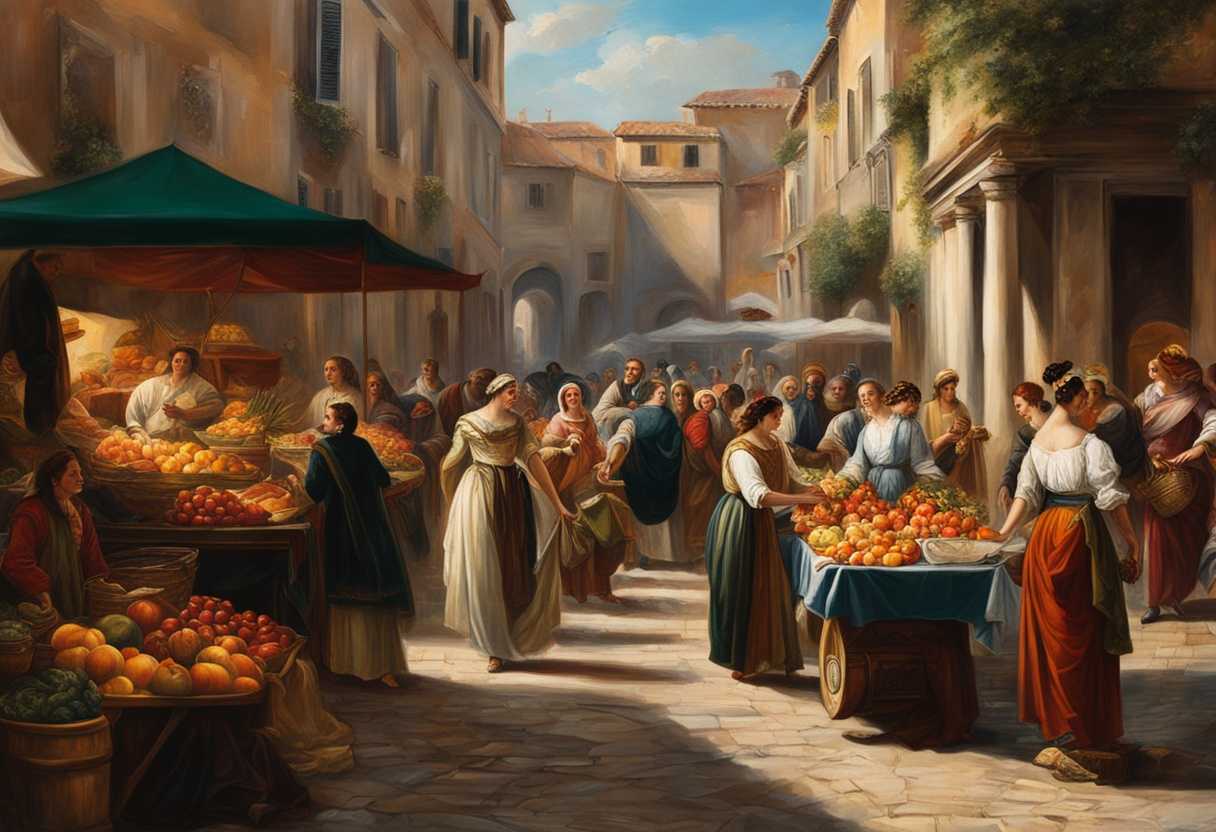
Setting the Scene for Proverbs 1:20-33
In Proverbs chapter 1, we find the scene set in the bustling marketplace of a vibrant ancient city. The sun beats down on the dusty streets lined with merchants selling their wares, while the aroma of spices and freshly baked bread fills the air. People from all walks of life mill about, going about their daily business.
Among the crowd stands Lady Wisdom, a majestic figure with a regal presence. Her voice rings out above the noise of the marketplace, calling out to the passersby with words of wisdom and understanding. She beckons to those who will listen, offering guidance and knowledge to all who are willing to heed her words.
In the midst of the crowd, we see a diverse group of individuals gathered around Lady Wisdom. There are young men eager to learn, elderly sages seeking deeper understanding, and curious onlookers drawn in by her captivating presence. Each person has their own story and reasons for being there, but they are united in their desire to gain wisdom and insight from this wise and noble figure.
What is Proverbs 1:20-33 about?
This verse is emphasizing the importance of wisdom and how it is available to everyone, regardless of their background or circumstances. It suggests that wisdom is a guiding force, calling out to all individuals, offering them guidance and insight. However, the verse also highlights that not everyone will listen to this call or benefit from wisdom’s teachings. Only those who are wise, who are open to learning and growth, will be able to truly understand and heed the voice of wisdom.
So, what does this mean for us? It challenges us to reflect on our own receptiveness to wisdom. Are we open-minded and willing to learn from our experiences and the guidance of others? Or do we dismiss valuable lessons and insights due to stubbornness or ignorance? This verse encourages us to be humble, open-minded, and willing to learn from the wisdom that surrounds us by urging us to be like the wise who heed wisdom’s call. We must choose whether we listen and grow from the wisdom that is always there.
Understanding what Proverbs 1:20-33 really means
Proverbs 1:20-33 presents a vivid image of Wisdom personified as a woman crying out in the streets, urging people to listen to her counsel. This passage serves as a poignant warning against the dangers of ignoring wisdom and the grave consequences that can result from such neglect. The imagery of Wisdom calling out in public places emphasizes the accessibility of wisdom to all, highlighting that it is not hidden or exclusive but available for anyone willing to heed its voice.
The key phrases within this passage carry significant meanings that resonate with timeless truths. The direct challenge posed by the question, “How long, O simple ones, will you love being simple?” confronts those who choose ignorance over knowledge, urging them to reconsider their ways. The promise of transformation and enlightenment for those who turn at Wisdom’s reproof underscores the potential for growth and understanding that comes from embracing wisdom. Conversely, the lament over those who ignore counsel and reproof serves as a sobering reminder of the consequences of stubbornly refusing to listen.
Related biblical passages such as James 1:5 and Matthew 7:24-27 further emphasize the importance of seeking wisdom and acting upon it. James encourages seeking wisdom from God, who generously imparts it to those who ask, while the parable in Matthew underscores the necessity of building one’s life on a foundation of wisdom. Proverbs 3:13-18 also reinforces the value and blessings that come from embracing wisdom, painting a compelling picture of its significance in guiding one’s path.
In today’s world, where information is abundant but discerning true wisdom is increasingly challenging, the message of Proverbs 1:20-33 remains as relevant as ever. It calls for active pursuit of wisdom rather than passive acceptance of ignorance, reminding us of the severe and irreversible consequences that can arise from neglecting wise counsel. An anecdote illustrating the repercussions of ignoring wisdom, such as a young professional dismissing advice and facing setbacks in their career, mirrors the cautionary tale presented in this passage.
In conclusion, Proverbs 1:20-33 stands as a timeless exhortation to embrace wisdom and heed its warnings. It challenges us to actively seek knowledge and understanding, recognizing the vital role that wisdom plays in shaping our lives. By reflecting on this passage and its related scriptures, we are prompted to value wisdom, strive for discernment, and live in alignment with its guiding principles.
How can we listen to wisdom’s voice?
We must pay attention to the call that wisdom raises in the streets and the public square in order to listen to wisdom’s voice. Wisdom’s voice is not hidden or inaccessible, but rather it is present and actively seeking to be heard. We position ourselves to receive the guidance and insight that wisdom offers by being attentive to this call and open to receiving wisdom.
Additionally, listening to wisdom’s voice involves being receptive to correction and instruction. Wisdom often speaks through rebuke and reproof, highlighting areas where we may need to change or grow. We can deepen our understanding and insight by humbly accepting this correction and seeking to learn from it, allowing wisdom to take root in our hearts and minds. A willingness to heed its warnings and embrace its teachings ultimately requires listening to wisdom’s voice. We can cultivate a deep and abiding relationship with wisdom by prioritizing it and making space in our lives for its guidance, enriching our lives and bringing us closer to living in alignment with truth and righteousness.
Application
Listen to the call of wisdom echoing through the bustling streets of our lives. Embrace her guidance to steer clear of the treacherous traps of ignorance. Are you ready to choose the path of insight and understanding?

Reverend Michael Johnson is an experienced Church Minister with a profound expertise in spirituality and guidance. With a serene presence and a compassionate heart, he has faithfully served his congregation for over 20 years, leading them on a spiritual journey towards inner peace and enlightenment. Reverend Johnson’s extensive knowledge of religious philosophies and profound understanding of human nature have made him a trusted confidant and mentor to many, as he seamlessly weaves his profound wisdom into life teachings. Reverend Johnson’s calming demeanor and empathetic nature continue to uplift and heal souls, nurturing a sense of unity and tranquility within his community.