
1 God shall arise, his enemies shall be scattered; and those who hate him shall flee before him!
2 As smoke is driven away, so you shall drive them away; as wax melts before fire, so the wicked shall perish before God!
3 But the righteous shall be glad;
they shall exult before God;
they shall be jubilant with joy.
4 Sing to God, sing praises to his name; lift up a song to him who rides through the deserts; his name is the Lord; exult before him!
5 Father of the fatherless and protector of widows
is God in his holy habitation.
6 God settles the solitary in a home; he leads out the prisoners to prosperity, but the rebellious dwell in a parched land.
7 O God, when you went out before your people,
when you marched through the wilderness, Selah
8 the earth quaked, the heavens poured down rain, before God, the One of Sinai, before God, the God of Israel.
9 Rain in abundance, O God, you shed abroad; you restored your inheritance as it languished;
10 Your flock found a dwelling in it; in your goodness, O God, you provided for the needy.
11 The Lord gives the word; the women who announce the news are a great host:
12 “The kings of the armies—they flee, they flee!”
13 though you men lie among the sheepfolds,
the wings of a dove covered with silver,
its pinions with shimmering gold.
14 When the Almighty scatters kings there, let snow fall on Zalmon.
15 O mountain of God, mountain of Bashan;
O many-peaked mountain, mountain of Bashan!
16 Why do you look with hatred, O many-peaked mountain,
at the mount that God desired for his abode,
yes, where the Lord will dwell forever?
17 The chariots of God are twice ten thousand,
thousands upon thousands;
the Lord is among them; Sinai is now in the sanctuary.
18 You ascended on high, leading a host of captives in your train and receiving gifts among men, even among the rebellious, that the Lord God may dwell there.
19 Blessed be the Lord, who daily bears us up; God is our salvation.
20 Our God is a God of salvation,
and to God, the Lord, belong deliverances from death.
21 But God will strike the heads of his enemies,
the hairy crown of him who walks in his guilty ways.
22 The Lord said, “I will bring them back from Bashan,
I will bring them back from the depths of the sea,
23 that you may strike your feet in their blood, that the tongues of your dogs may have their portion from the foe.”
24 Your procession is seen, O God,
the procession of my God, my King, into the sanctuary—
25 The singers in front, the musicians last,
between them virgins playing tambourines.
26 Bless God in the great congregation,
the Lord, O you who are of Israel’s fountain!
27 There is Benjamin, the least of them, in the lead, the princes of Judah in their throng, the princes of Zebulun, the princes of Naphtali.
28 Summon your power, O God, the power, O God, by which you have worked for us.
29 Because of your temple at Jerusalem
kings shall bear gifts to you.
30 Rebuke the beasts that dwell among the reeds,
the herd of bulls with the calves of the peoples.
Trample underfoot those who lust after tribute;
scatter the peoples who delight in war.
31 Nobles shall come from Egypt;
Cush shall hasten to stretch out her hands to God.
32 O kingdoms of the earth, sing to God; sing praises to the Lord, Selah
33 to him who rides in the heavens, the ancient heavens; behold, he sends out his voice, his mighty voice.
34 Ascribe power to God,
whose majesty is over Israel,
and whose power is in the skies.
35 Awesome is God from his sanctuary; the God of Israel—he is the one who gives power and strength to his people. Blessed be God!
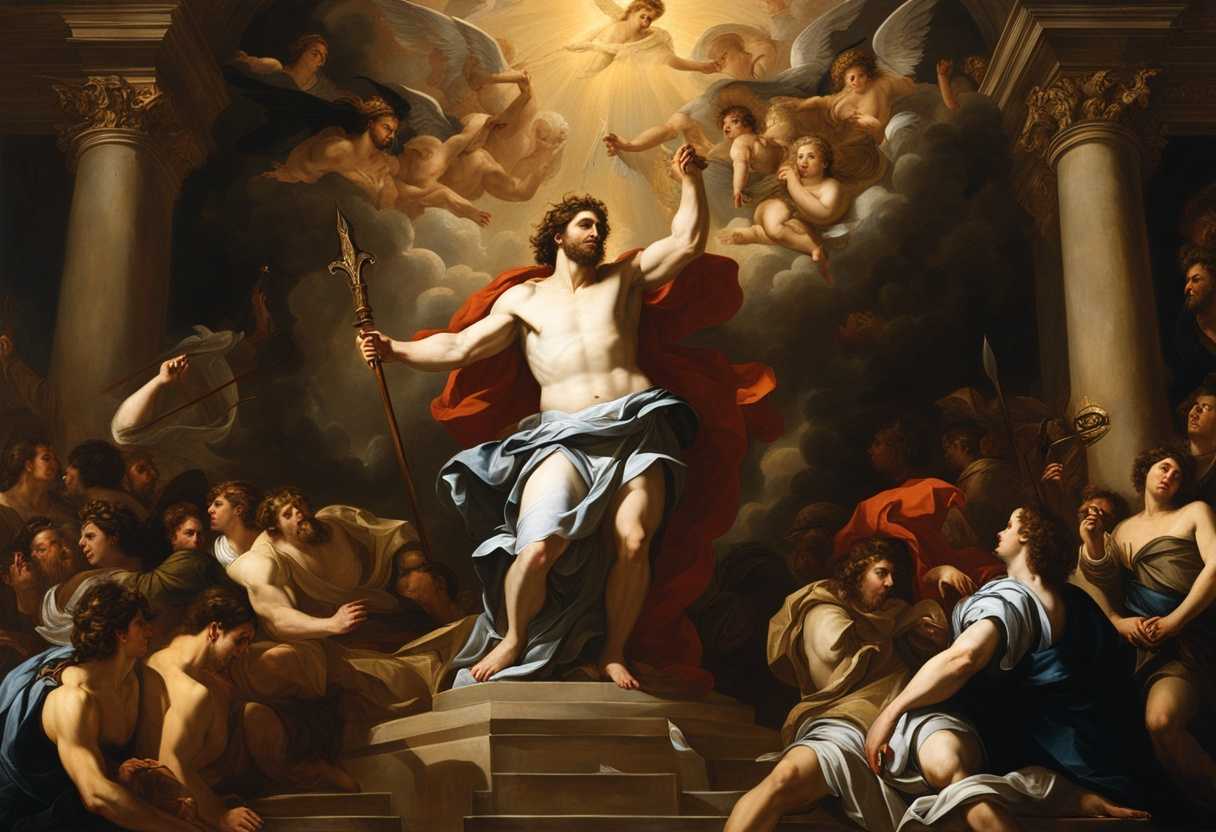
The True Meaning of Psalms 68
The Book of Psalms is a collection of sacred songs and prayers attributed to King David, the second king of ancient Israel. Psalm 68, in particular, is believed to have been written by David as a celebration of God’s power and protection over his people. David reflects on God’s past victories and expresses his confidence in the Lord’s continued guidance and deliverance in this chapter. He reminds the Israelites of how God has led them through difficult times, from the Exodus to the conquest of Canaan. This psalm foreshadows the eventual triumph of God’s kingdom and the ultimate defeat of his enemies.
The imagery and language used in Psalm 68 echo themes found in other biblical books, such as the Exodus narrative in the Book of Exodus and the prophetic visions of the Messiah’s reign in the Book of Isaiah. I, as the reverend, encourage the congregation to meditate on the timeless truths of God’s sovereignty, justice, and mercy that are so powerfully expressed in this psalm.
Psalms 68:1-3
Verse 1 of Psalm 68 starts with the powerful declaration: “Let God arise, let His enemies be scattered; let those also who hate Him flee before Him.” This verse sets the tone for the entire psalm, calling on God to rise up in His strength and power to scatter His enemies. The imagery presented here is that of a conquering king going forth in battle, where his very presence causes fear and defeat among his adversaries. This verse emphasizes the sovereignty and authority of God over all His enemies, highlighting His ability to bring justice and protection to His people. It also reminds the readers of the ultimate victory that belongs to God, reassuring them that He will overcome all opposition and establish His reign. Drive them away as smoke is driven away; let the wicked perish at the presence of God as wax melts before the fire.” This verse continues the theme of God’s victory over His enemies, drawing powerful imagery of how easily smoke is dispersed by the wind and how effortlessly wax melts in the presence of fire. The wicked will perish before the presence of God in the same way. This verse serves as a warning to those who oppose God, emphasizing that their resistance is futile in the face of His overwhelming power and righteousness. It also conveys the idea of purification through fire, where the wicked are consumed, leaving only the pure and righteous standing before God.
Verse 3 of Psalm 68 reads: “But let the righteous be glad; let them rejoice before God; yes, let them rejoice exceedingly.” This verse presents a stark contrast to the fate of the wicked described in the previous verses. Here, the focus shifts to the righteous, who are called to rejoice and be glad in the presence of God. It emphasizes the joy and celebration that comes from walking in righteousness and being in alignment with God’s will. This verse serves as a reminder that those who are faithful to God will ultimately experience His blessings and find true happiness in His presence. It highlights the importance of living a righteous life and the rewards that come from walking in obedience to God’s commandments. Psalm 68:1-3 conveys a powerful message of God’s sovereignty, justice, and protection over His people. It underscores the importance of trusting in God’s victory over all adversaries, the inevitable defeat of the wicked, and the joy that comes from walking in righteousness. This psalm serves as a source of encouragement and reassurance for believers, reminding them to take refuge in God’s strength and find joy in His presence. It echoes similar themes found throughout the Bible, such as in Exodus 15:6 which speaks of God’s enemies being scattered, and in Psalm 97:11 which promises joy for the upright in heart.
Psalms 68:4-6
The verses in Psalms 68:4-6 can be broken down into separate sections for a more in-depth commentary. God is extolled in verse 4, as it begins with “Sing to God, sing praises to His name; Extol Him who rides on the clouds, By His name YAH, And rejoice before Him.”” This verse calls for people to sing praises to God, to extol Him for His greatness and majesty. The imagery of God riding on the clouds symbolizes His power and authority over all creation. The mention of the name “YAH” is a reference to one of the divine names of God, emphasizing His true nature and identity as the Almighty. This verse emphasizes the importance of worshiping and glorifying God, recognizing Him as the supreme ruler and source of all blessings. Throughout the Bible, praising God through song and rejoicing in His presence is a common theme, reminding believers of the importance of worship and gratitude towards God for His faithfulness and goodness.
Verse 5 continues with, “A father of the fatherless, a defender of widows, Is God in His holy habitation.” This verse highlights one of the defining characteristics of God – His care and compassion for the vulnerable and marginalized in society. God is portrayed as a father to the fatherless and a protector of widows, symbolizing His role as the ultimate provider and refuge for those in need. This theme of God’s compassion towards the oppressed and disadvantaged is recurrent throughout the Bible, demonstrating His heart for social justice and mercy. God explicitly mentions His concern for the fatherless and widows in Exodus 22:22-24 and Deuteronomy 10:18, underscoring the importance of caring for those who are most vulnerable in society.
Verse 6 concludes with, “God sets the solitary in families; He brings out those who are bound into prosperity; But the rebellious dwell in a dry land.” This verse portrays God as a bringer of restoration and blessing for those who trust in Him. God is described as the one who places the lonely in families, indicating His power to bring companionship and belonging to those who feel isolated or abandoned. The image of God freeing the oppressed and leading them to prosperity signifies His ability to transform lives and circumstances for the better. On the other hand, the mention of the rebellious dwelling in a dry land serves as a reminder of the consequences of turning away from God and His ways. Throughout the Bible, God’s faithfulness in delivering His people from bondage and leading them into abundance is a prevalent theme, illustrating His grace and sovereignty over all situations. Psalms 68:4-6 encapsulates powerful themes of worship, compassion, and restoration that are central to the biblical narrative. The verses remind believers of the importance of praising God for His greatness, trusting in His provision for the needy, and recognizing His ability to bring healing and blessing to those in despair. This passage serves as a timeless reminder of God’s unwavering love and care for His creation, urging people to seek His presence and guidance in all aspects of life.
Psalms 68:7-10
The verse in Psalms 68:7-10 can be broken down into a few key sections that are rich in meaning and significance. The verses read: “O God, when You went out before Your people, when You marched through the wilderness, the earth shook; the heavens also dropped rain at the presence of God; Sinai itself was moved at the presence of God, the God of Israel. You, O God, sent a plentiful rain, whereby You confirmed Your inheritance when it was weary. Your congregation dwelt in it; You, O God, provided from Your goodness for the poor.”
Firstly, the psalmist reflects on God’s historical deliverance of Israel. The mention of “when You went out before Your people, when You marched through the wilderness” is a reference to the Exodus, where God led the Israelites out of Egypt and through the wilderness towards the Promised Land. This was a pivotal event in the history of Israel and a demonstration of God’s power, faithfulness, and provision for His people.
The imagery of the earth shaking and the heavens dropping rain at the presence of God highlights the awe-inspiring nature of God’s manifestations in the natural world. This imagery signifies the power and majesty of God, who is not bound by earthly limitations but can command the elements themselves. This reminds the readers of God’s sovereignty over all creation and His ability to intervene in human affairs in remarkable ways.
The mention of Sinai being moved at the presence of God recalls the giving of the Law to Moses on Mount Sinai. This event was a defining moment in Israel’s history, where God established His covenant with His people and gave them the guidelines for righteous living. The trembling of the mountain symbolizes the holy and reverent nature of encountering the presence of God, emphasizing the need for obedience and holiness in relationship with Him.
The reference to God sending a plentiful rain to confirm His inheritance when it was weary is symbolic of God’s blessings and provision for His people. Rain in the Bible often represents God’s favor, abundance, and refreshing presence. God’s provision sustains His people and renews their strength in times of spiritual dryness or weariness, reinforcing the idea of His faithfulness and care for His inheritance.
Lastly, the psalmist acknowledges God’s goodness in providing for the poor within His congregation. This highlights God’s heart for justice, mercy, and compassion towards the marginalized and vulnerable in society. Throughout the Bible, God consistently shows concern for the poor and commands His people to care for those in need. This verse serves as a reminder of the importance of generosity, kindness, and social responsibility in reflecting God’s character to the world. Psalms 68:7-10 encapsulates themes of God’s historical deliverance, power over nature, covenant faithfulness, provision, and care for the vulnerable. This passage not only serves to recount the past acts of God on behalf of His people but also to inspire faith and obedience in God’s present and future dealings with His chosen ones. It underscores the enduring truths of God’s character and His unchanging love for His people throughout history.
Psalms 68:11-14
The verses in Psalms 68:11-14 are broken down into several sections that hold profound meanings within the context of the entire psalm. “The Lord announces the word, and the women who proclaim it are a mighty throng.” (Psalms 68:11)
This verse speaks of the power and authority of the Lord’s word. When God speaks, His words are powerful and impactful. It is mentioned that the women who proclaim His word are a mighty throng, highlighting the importance of women in spreading and sharing God’s message. Throughout the Bible, there are significant instances where women played key roles in delivering God’s message and showcasing great faith. One notable example is Mary Magdalene, who was the first to witness and proclaim the resurrection of Jesus Christ (Matthew 28:1-10). This verse emphasizes the inclusive nature of God’s kingdom, where both men and women are called to share and proclaim His word.
-
“Kings and their armies flee in haste; the women at home divide the plunder. Even while you sleep among the sheep pens…” (Psalms 68:12-13)
These verses depict a scene of victory and triumph brought about by the Lord. The image of kings and their armies fleeing in haste signifies the defeat and downfall of the enemies of God’s people. The mention of “the women at home divide the plunder” is significant as it shows the women taking part in the spoils of victory, a role not commonly highlighted in historical accounts. This could symbolize the restoration and blessings that come from God’s deliverance. The reference to sleeping among the sheep pens may refer to the humble beginnings or hardships that God’s people have endured before experiencing His deliverance and victory. It serves as a reminder that God is with His people even in times of struggle and obscurity, working behind the scenes for their benefit. -
“The wings of a dove covered with silver, its feathers with shining gold.” (Psalms 68:13)
This imagery of a dove covered with silver and gold feathers portrays a sense of beauty, purity, and protection. The dove often represents peace, purity, and the Holy Spirit in biblical symbolism, as seen in the story of Noah and the Ark (Genesis 8:8-12) and during Jesus’ baptism (Matthew 3:16). The silver and gold covering may signify the divine protection and provision that God bestows upon His people. It serves as a visual representation of God’s grace and care, encompassing His children with His love and safeguarding them from harm. Psalms 68:11-14 conveys powerful messages about the authority of God’s word, the inclusive nature of His kingdom, the victory and triumph He brings, His presence in times of struggle, and His provision and protection over His people. Through rich imagery and symbolic language, these verses offer hope, reassurance, and a reminder of God’s unwavering faithfulness throughout history.
Psalms 68:15-18
The verse in Psalms 68:15-18 can be broken down into a few important sections that carry significant meanings within the context of the entire chapter. Let’s delve into each of these sections for a deeper understanding.
Firstly, Psalms 68:15 mentions “the mountain of God,” which is a powerful symbol throughout the Bible. This mountain represents God’s dwelling place, a place of strength, power, and presence. God delivered the Ten Commandments to Moses at Mount Sinai in the Old Testament, showcasing His authority and holiness. The mountain of God signifies a place where humanity meets with the divine, where God’s glory is revealed, and where His people find refuge and strength. This imagery reinforces the idea that God is not distant but actively involved in the lives of His people. Psalms 68:16 speaks about “the many-peaked mountain, the mountain of Bashan” in the subsequent part of the verse.” Bashan was known for its fertile lands and abundance, often representing prosperity and blessings in the Bible. This imagery conveys the idea of God’s provision and abundance for His people. The psalmist emphasizes God’s bountiful blessings and His ability to provide for His children in every aspect of their lives by mentioning Bashan.
Moving on, Psalms 68:17-18 mentions the chariots of God. This imagery signifies God’s strength and victory in battle. Chariots in the Old Testament were often associated with warfare and power. Thus, the reference to chariots of God conveys the idea that God is a mighty warrior who goes before His people in battle, ensuring their victory and protection. This reflects the biblical theme of God as a shield and defender of His people, as seen in verses like Psalm 18:2, “The Lord is my rock, my fortress, and my deliverer; my God is my rock, in whom I take refuge, my shield and the horn of my salvation, my stronghold. Psalms 68:15-18 highlights God’s sovereignty, provision, and protection over His people. It reminds us of God’s unwavering presence in our lives, His ability to provide abundantly, and His role as our mighty warrior who ensures victory in every battle we face. This verse encourages believers to trust in God’s power and seek refuge in His presence, knowing that He is always with us, fighting our battles and bestowing blessings upon us.
Psalms 68:19-21
God bestows upon His people a powerful declaration of the blessings and providence in Psalms 68:19-21. Let’s break down this passage into three key sections for deeper reflection:
-
“Praise be to the Lord, to God our Savior, who daily bears our burdens.”
The psalmist begins by offering praise to the Lord for being our Savior and for carrying our burdens every day. This expression captures the understanding of God as not just a distant deity, but as a personal and caring God who is intimately involved in the lives of His people. The image of God bearing our burdens daily reminds us of His faithfulness and constant presence in our lives, providing comfort and strength in times of need. This acknowledgment of God’s role as a burden-bearer is a testament to His unfailing love and grace towards His children. -
“Our God is a God who saves; from the Sovereign Lord comes escape from death.”
This verse emphasizes the salvation and deliverance that God brings to His people. Throughout the Bible, we see numerous instances where God rescues His followers from various forms of dangers and adversities. From the exodus of the Israelites from Egypt to the many acts of deliverance in the New Testament, God is consistently portrayed as a Savior who brings His people out of perilous situations. The mention of escape from death underscores the ultimate victory that believers have through God’s saving power, not only in physical circumstances but also in spiritual salvation from the power of sin and eternal death. This verse echoes the overarching theme of redemption and salvation that runs through the entirety of the Bible. -
“Surely God will crush the heads of his enemies, the hairy crowns of those who go on in their sins.”
The psalmist concludes this passage with a declaration of God’s victory over His enemies. The imagery of crushing the heads of enemies symbolizes the defeat and destruction of all those who stand against God and His purposes. Throughout Scripture, we see that God is sovereign over all powers and principalities, and He ultimately brings justice to the wicked. This verse serves as a reminder of God’s judgment upon sin and rebellion, highlighting the importance of righteousness and obedience in the eyes of the Lord. It also points to the final triumph of God over evil in the eschatological sense, where every knee will bow before Him and every tongue will confess His lordship (Philippians 2:10-11). Psalms 68:19-21 encapsulates the themes of God’s faithfulness in bearing our burdens, His power in salvation, and His ultimate victory over His enemies. It underscores the importance of trust in God’s providence, assurance in His deliverance, and reverence for His sovereignty. This passage not only offers comfort and hope to believers but also challenges us to live in righteousness and faithfulness, knowing that God is with us in every trial and triumph of life.
Psalms 68:22-23
The text in Psalms 68:22-23 is divided into two significant sections that shed light on the sovereignty and power of God. Let’s individually delve into each section. The psalmist is proclaiming the authority of the Lord to bring back His people from distant and seemingly impossible places in this section. Bashan was a region known for its fertile land, often symbolizing abundance and prosperity. However, it was also a distant land, signifying God’s ability to bring his people back from faraway places to safety and blessings. The depths of the sea evoke a sense of danger and hopelessness, yet even from there, God can rescue his people. This verse reflects the overarching theme of God’s deliverance and protection throughout the Bible. When the Israelites faced challenges such as exile or physical threats, God always remained faithful in bringing them back to safety. This reaffirms the biblical principle that God is omnipresent and omnipotent, able to rescue His people from any situation, no matter how dire it may seem.
- “that your foot may crush them in blood, that the tongues of your dogs may have their portion from your enemies.”
This section speaks of divine judgement and victory over enemies. The imagery here is quite vivid, depicting a scene of God’s powerful triumph over foes. The mention of crushing enemies underfoot and the participation of dogs in consuming the remains of the defeated signifies a complete and definitive victory by God’s hand. Throughout the Bible, we see instances where God intervenes on behalf of His people, defeating their enemies and establishing His justice. This verse is a reminder that God is not only a God of mercy and love, but also a God of justice who will ultimately triumph over evil. It serves as a warning to those who oppose God’s plans and a source of comfort to believers, knowing that God will ultimately vindicate them and defeat all who stand against Him. The psalm as a whole in the larger context of Psalms 68 declares God’s supremacy and victory powerfully. It celebrates God’s deliverance of His people, His protection over them, and His ultimate triumph over all opposition. This psalm is a reminder to believers of God’s faithfulness throughout history and encourages them to trust in His sovereignty in the face of challenges. It points to the overarching narrative of God’s redemptive plan for humanity, where He consistently rescues and restores His people, ultimately culminating in the victory of Christ over sin and death. Psalms 68 serves as a source of strength and hope for believers, inspiring them to praise God for His mighty deeds and to rely on His unfailing power in times of trouble.
Psalms 68:24-27
Several key sections in Psalms 68:24-27 provide rich material for contemplation. Let’s identify the subject: “we.” Now, let’s rewrite the sentence in active voice: “We will break down these verses and delve into their deeper meanings.”
Verse 24 begins with the procession of people coming to the sanctuary. This procession symbolizes the gathering of believers to worship and praise God. It reflects a sense of unity and community in coming together for a common purpose – to honor the Almighty. This act of gathering before God is significant as it emphasizes the importance of communal worship and the power of believers standing together in faith. This is echoed in the New Testament in Hebrews 10:25, which encourages believers not to neglect gathering together. The Psalmist sings about the singers and musicians who lead the procession in verse 25. Music has always played a crucial role in worship throughout biblical history. From the times of David dancing before the ark of the covenant (2 Samuel 6:14) to the angels in Revelation singing praises before the throne of God (Revelation 5:11-12), music has been a powerful tool for expressing adoration to God. This verse emphasizes the importance of music in worship and how it can elevate our spirits and bring us closer to God.
Moving on to verse 26, we see mention of the tribes of Israel. The twelve tribes of Israel were descendants of the twelve sons of Jacob. Each tribe had its own unique identity and played a specific role within the nation of Israel. The mention of the tribes in this verse highlights the unity and diversity within the community of believers. It is a reminder that we are all part of the larger family of God, each with our own gifts and callings, but united in worship and service to Him. This concept of unity amidst diversity is also seen in the New Testament, where Paul writes about the body of Christ being made up of many parts but functioning as one (1 Corinthians 12:12-27).
Lastly, in verse 27, we see the proclamation of God as the source of strength and power. The Psalmist acknowledges God’s supremacy over all the earth and His majesty in the heavens. This declaration of God’s sovereignty serves as a reminder of His greatness and puts into perspective the insignificance of earthly powers in comparison to His eternal authority. This echoes themes found throughout the Bible, with verses such as Psalm 62:11 reminding us that power belongs to God. These verses in Psalm 68 paint a beautiful picture of communal worship, the role of music in praising God, the unity amidst diversity within the body of believers, and the eternal power and majesty of God. Let these verses inspire us to come together in worship, use our talents and gifts to honor God, embrace our unique identities within the larger community of faith, and always remember the unmatched strength and sovereignty of our Heavenly Father.
Psalms 68:28-31
The verse in Psalms 68:28-31 can be broken down into several important sections. Let’s start by looking at each part in depth to understand its significance in the context of this psalm.
Firstly, in verse 28, it begins with a call to the power that God has over His people. The verse mentions a command to the strength of God, calling attention to God’s supremacy and authority over His followers. This verse serves as a reminder of the mighty power that God possesses and the protection and guidance He provides to those who faithfully follow Him. It emphasizes the idea that God is a powerful protector of His people, which is a recurring theme throughout the Bible. This verse also highlights the importance of obedience and submission to God’s will, as a command implies the need for followers to heed God’s instructions and trust in His ways.
Moving on to verse 29, it speaks of the glory and strength that God gives to His people. This verse underscores the idea that all power and might ultimately come from God. It emphasizes that it is through God’s strength that His people are able to achieve great things and overcome challenges. The verse encourages humility and dependence on God by acknowledging Him as the source of their strength and glory. This theme of relying on God’s strength is echoed throughout the Bible, with verses like Philippians 4:13 which states, “I can do all things through Christ who strengthens me.”
Next, in verse 30, the psalmist calls attention to the rulers and kings who assemble and come together to acknowledge and worship God. This verse symbolizes the unity that can be found in the worship of God, bringing together people of different backgrounds and status under the common belief in a higher power. It suggests that even rulers and kings should humble themselves before God, recognizing His authority above all earthly powers. This idea is reflected in other parts of the Bible, such as in Proverbs 21:1, which states, “The king’s heart is like channels of water in the hand of the LORD; He turns it wherever He wishes.”
Lastly, in verse 31, the psalmist prophesies about future nations and kingdoms that will come to worship God. This verse looks forward to a time when all nations will acknowledge God’s sovereignty and bow down before Him in worship. It speaks to the universal nature of God’s kingdom and the ultimate victory of His truth and righteousness over all the earth. This vision aligns with other prophecies in the Bible, such as in Isaiah 2:2-4, which speaks of all nations streaming to the mountain of the Lord in the last days. Psalms 68:28-31 emphasizes the power, glory, and universal sovereignty of God. It reminds believers of the importance of relying on God’s strength, acknowledging His authority, and looking forward to a time when all nations will worship Him. Through these verses, the psalmist conveys a message of hope, unity, and trust in God’s ultimate plan for His people.
Psalms 68:32-35
Verse 32 of Psalms 68 starts by acknowledging the strength of God, who is described as the One who rides across the highest heavens, the ancient heavens. This powerful imagery depicts the greatness and majesty of God. Riding often signifies authority and control in the Bible, indicating that God is sovereign over all creation. The mention of the ancient heavens reinforces the eternal nature of God, who has existed before time and will continue to exist forever. This verse serves as a reminder of God’s omnipotence and his ability to rule over the entire universe.
Moving on to verse 33, the psalmist calls on the great power of God to be displayed. The reference to his majesty is a call for God to reveal his splendor and glory, demonstrating his supremacy over all the earth. This verse reflects the psalmist’s desire for God’s presence and divine intervention in the world. The mention of the God of Israel specifically ties back to the covenant relationship between God and his chosen people. It serves as a reminder of God’s faithfulness and commitment to Israel throughout history. The psalmist in verse 34 continues to exalt God, recognizing his strength and power. The imagery of God’s power being displayed from his sanctuary reinforces the idea of God as the source of strength and protection for his people. The verse also mentions that God is awe-inspiring to his people, emphasizing the reverence and fear that should be directed towards the Almighty. This verse highlights the importance of recognizing and acknowledging God’s power and authority in our lives.
Finally, verse 35 concludes the psalm with a declaration of praise to God. The psalmist attributes strength and power to God, acknowledging him as the one who gives strength and protection to his people. The image of God being awesome in his sanctuary evokes a sense of reverence and holiness. The statement that God is the God of Israel once again emphasizes the special relationship between God and his chosen people. This verse serves as a fitting conclusion to the psalm, as it encapsulates the themes of God’s power, protection, and faithfulness that run throughout the entire passage. These verses in Psalms 68 align with other passages that exalt God’s power and majesty in the broader context of the Bible. For example, Psalm 29:1-2 proclaims, “Ascribe to the Lord, you heavenly beings, ascribe to the Lord glory and strength. Ascribe to the Lord the glory due his name; worship the Lord in the splendor of his holiness.” This theme of ascribing glory and strength to God is echoed in Psalms 68, reinforcing the idea of God’s sovereignty and greatness. Psalms 68:32-35 invites us to acknowledge and honor God as the Almighty ruler of the universe, serving as a powerful declaration of His strength, majesty, and faithfulness.
After Psalms 68
The reverend stood before the congregation, his voice carrying the weight of the chapter’s message. The Lord, as we have seen, is a mighty God who rises up to defend the weak and the oppressed. He scatters his enemies and establishes his kingdom. Yet, this is not the end of the story. For in the chapters to come, we will witness the unfolding of God’s plan for his people, a plan that will test their faith and their loyalty. We must prepare our hearts for the journey ahead, which is not an easy one, but will ultimately lead us to the promised land.”

Reverend Michael Johnson is an experienced Church Minister with a profound expertise in spirituality and guidance. With a serene presence and a compassionate heart, he has faithfully served his congregation for over 20 years, leading them on a spiritual journey towards inner peace and enlightenment. Reverend Johnson’s extensive knowledge of religious philosophies and profound understanding of human nature have made him a trusted confidant and mentor to many, as he seamlessly weaves his profound wisdom into life teachings. Reverend Johnson’s calming demeanor and empathetic nature continue to uplift and heal souls, nurturing a sense of unity and tranquility within his community.