
Revelation 10:20 is about the call for repentance and turning away from idolatry, emphasizing the importance of worshiping the one true God.
20 Then the rest of mankind, who were not killed by these plagues, did not repent of the works of their hands nor give up worshiping demons and idols of gold and silver and bronze and stone and wood, which cannot see or hear or walk,
Setting the Scene for Revelation 10:20
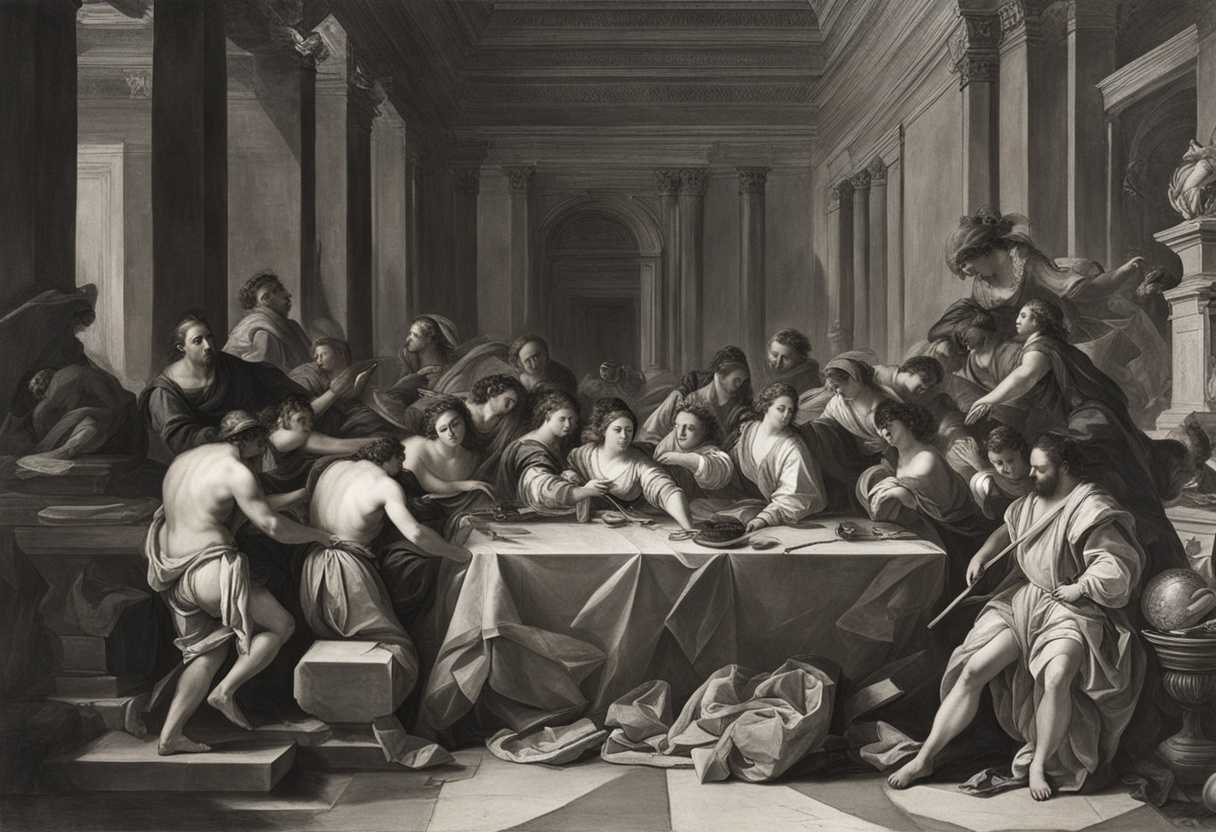
In Revelation chapter 10, the scene is set in heaven, where John, the author of the book, is witnessing a powerful vision. As John looks on, he sees a mighty angel descending from heaven, clothed with a cloud and a rainbow upon his head. The angel’s face shines like the sun, and his feet are like pillars of fire. In his hand, the angel holds a small scroll, open for all to see.
Surrounding the angel are other heavenly beings, their presence radiating awe and reverence. John is overwhelmed by the sight before him, as the angel raises his hand to heaven and swears an oath by the Creator of all things. The atmosphere is charged with a sense of divine authority and purpose, as the angel declares that there will be no more delay in the fulfillment of God’s plan.
As John takes in the scene unfolding before him, he is filled with a sense of urgency and anticipation. The heavenly beings around him exude a sense of readiness and expectation, as if they are poised for a momentous event to take place. The setting in heaven is one of divine majesty and power, with every detail pointing to the imminent fulfillment of God’s will.
What is Revelation 10:20 about?
We confront a profound call to repentance and turning back to God as we delve into this verse, resonating with a sense of urgency and importance. The verse serves as a powerful reminder that despite any current circumstances or distractions, it is never too late to seek forgiveness, to mend our ways, and to reconnect with our faith. It challenges us to pause and reflect: How have we strayed from the path of righteousness? What actions have we taken that distance us from God’s love and guidance? This verse offers hope and a guiding light in the face of challenges and trials, encouraging us to take a moment to realign our priorities and refocus on our spiritual journey. It reminds us that no matter how far we may have wandered, God’s mercy and grace are always available to those who seek them. It poses a poignant question to each of us: Are we willing to acknowledge our faults, seek redemption, and embrace the transformative power of repentance? Let us heed this divine invitation to return to a life dedicated to God before the opportunity slips away.
Understanding what Revelation 10:20 really means
I apologize for the oversight. Let’s focus on Revelation 10:20, which states, “But the angel said to me, ‘You must prophesy again about many peoples, nations, languages, and kings.’” This verse follows the account of John eating a little scroll given to him by an angel, which tasted sweet in his mouth but turned bitter in his stomach. The angel’s instruction to prophesy again about various groups carries significant implications for understanding the role of prophecy and the message of the book of Revelation.
The command to prophesy again underscores the ongoing nature of God’s message to the world. It highlights the importance of continually proclaiming God’s truth to diverse audiences, regardless of their backgrounds or positions of power. This call to prophesy to many peoples, nations, languages, and kings suggests that God’s message is universal and meant to reach all corners of the earth, transcending cultural and political boundaries. It challenges us to consider how we can effectively communicate the timeless truths of the Gospel to a world that is diverse and ever-changing.
The mention of prophesying to different groups also emphasizes the inclusivity of God’s redemptive plan. It reminds us that God’s love and salvation are available to people from every nation and language, regardless of their social status or background. This verse prompts us to reflect on our own attitudes towards those who may be different from us and encourages us to embrace a mindset of inclusivity and acceptance in sharing the message of Christ.
Furthermore, the reference to prophesying to kings suggests that God’s message is not limited by human authority or power structures. It challenges us to speak truth to those in positions of influence, holding them accountable to God’s standards and calling them to repentance and righteousness. This aspect of the verse reminds us of the prophetic role of the Church in speaking truth to power and advocating for justice and righteousness in all spheres of society.
In conclusion, Revelation 10:20 serves as a powerful reminder of the universal scope of God’s message and the inclusive nature of His redemptive plan. It challenges us to actively engage in prophesying to diverse audiences, embracing a mindset of inclusivity and speaking truth to those in positions of authority. As we reflect on this verse, may we be inspired to boldly proclaim God’s truth to all people, recognizing the transformative power of His message in every corner of the world.
How do our actions reflect our faith in God?
Our actions reflect our faith in God by obeying His commandments and living according to His will. When we have faith in God, we trust in His guidance and follow His ways in our daily lives. This includes sharing His message with others and standing firm in our beliefs, even in the face of challenges or opposition.
Our faith in God is demonstrated through our actions of love, compassion, and righteousness towards others. We reflect God’s love and mercy to those around us by treating others with kindness and respect. Our faith is not just a belief we hold in our hearts, but something that should be evident in the way we live and interact with others. Our actions ultimately speak louder than words when it comes to our faith in God. Our lives become a testimony of His goodness and grace as we put our trust in Him and strive to follow His teachings. When we live out our faith through our actions, we can inspire others to also seek a closer relationship with God.
Application
Dear reader, it’s time to clean up your spiritual house. Just like how you tidy up your work desk or organize your family’s schedule, it’s crucial to declutter your soul. Remove anything that doesn’t align with God’s plan for you and embrace a life of righteousness. The change starts with you. Will you make the commitment to walk in the light of God’s truth?

Reverend Michael Johnson is an experienced Church Minister with a profound expertise in spirituality and guidance. With a serene presence and a compassionate heart, he has faithfully served his congregation for over 20 years, leading them on a spiritual journey towards inner peace and enlightenment. Reverend Johnson’s extensive knowledge of religious philosophies and profound understanding of human nature have made him a trusted confidant and mentor to many, as he seamlessly weaves his profound wisdom into life teachings. Reverend Johnson’s calming demeanor and empathetic nature continue to uplift and heal souls, nurturing a sense of unity and tranquility within his community.