
Revelation 14:8 is about the fall of Babylon symbolizing the collapse of worldly systems and values that are in opposition to God.
8 Another angel, a second, followed, saying, “Fallen, fallen is Babylon the great, she who made all nations drink the wine of the passion of her sexual immorality.”
Setting the Scene for Revelation 14:8
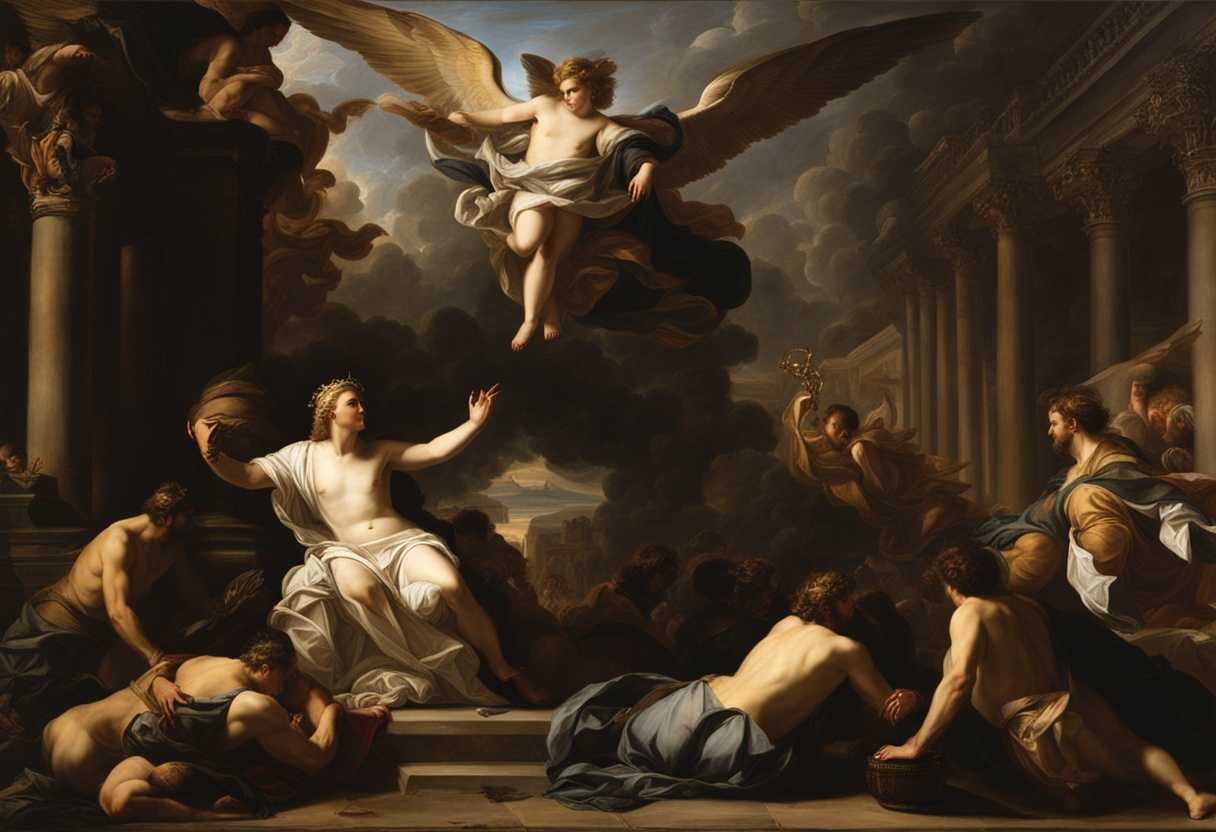
In Revelation chapter 14, the scene is set in the heavenly realm where John, the author of the book, is granted a vision of the end times. As he looks on, he sees an angel flying in the midst of heaven, proclaiming a message of warning to the inhabitants of the earth. The angel’s voice is powerful and resounding, echoing throughout the heavens.
Surrounding the angel are other heavenly beings, including cherubim and seraphim, who are worshipping and glorifying God. Their presence adds to the awe-inspiring atmosphere of the scene, with their majestic wings and radiant light illuminating the heavenly space. The air is filled with a sense of anticipation and reverence as the angel delivers the message of impending judgment upon the earth.
John, who is witnessing this vision, is filled with a sense of urgency to share the angel’s message with the world. The gravity of the situation weighs heavily on him as he contemplates the consequences of the choices that humanity has made. The scene is a powerful reminder of the ultimate authority and sovereignty of God, as well as a call to repentance and faith for all who hear the message.
What is Revelation 14:8 about?
Imagine a powerful empire known for its wealth, luxury, and influence. Now, picture this empire falling, crumbling under the weight of its own greed, immorality, and injustice. This verse alludes to the fall of Babylon, a city seen as a symbol of all things immoral and corrupt in many ancient texts. It represents the ultimate downfall of evil and wickedness.
Reflect on what this verse signifies for society as a whole. It prompts us to contemplate the consequences of unchecked power and immorality. How does the fall of Babylon serve as a cautionary tale for individuals and nations alike? Consider how we can be inspired by this symbolic event to stand against evil and corruption in our own lives and communities. Let this verse serve as a reminder that even the mightiest empires can crumble if they are built on a foundation of wrongdoing.
Understanding what Revelation 14:8 really means
In the Book of Revelation, a vision of the future is unveiled to the apostle John, filled with vivid imagery and symbolic language. Revelation 14:8 is a pivotal verse within this apocalyptic book, declaring, “Fallen, fallen is Babylon the Great.” This proclamation holds significant weight in the overarching narrative of Revelation, signaling the ultimate downfall of a powerful and corrupt entity that stands in opposition to God’s kingdom.
Babylon, throughout the Bible, symbolizes a system of worldly power, pride, and immorality. It represents the epitome of human arrogance and rebellion against God. The fall of Babylon described in Revelation is both a historical event and a prophetic vision, depicting the inevitable collapse of all that exalts itself against the sovereignty of God.
The repetition of “fallen” in the verse emphasizes the certainty and completeness of Babylon’s demise. “Babylon the Great” encapsulates not just a physical city but a spiritual reality of human hubris and defiance. It embodies the allure of materialism, idolatry, and the seductive pull of sin that leads nations astray from God’s truth.
The imagery of making nations drink the wine of Babylon’s passion of sexual immorality portrays the intoxicating influence of Babylon’s corrupt practices. This metaphorical language underscores the pervasive nature of Babylon’s deception, luring people into spiritual unfaithfulness and moral decay. It serves as a stark warning against succumbing to the allure of sinful pleasures and compromising one’s faith for temporary gratification.
In the Old Testament, passages like Jeremiah 51:7-8 and Isaiah 21:9 foreshadow the fall of Babylon, echoing the prophetic declarations found in Revelation. These interconnected threads weave a tapestry of divine judgment and redemption, showcasing God’s sovereignty over the rise and fall of earthly powers. Revelation 18:2-3 further elaborates on the consequences of Babylon’s downfall, illustrating the global impact of its destruction.
Today, the message of Revelation 14:8 remains relevant as a cautionary tale against aligning with systems that oppose God’s values. It urges believers to stand firm in their faith, resisting the temptations of a world that often promotes moral relativism and spiritual compromise. Just as ancient Babylon fell, so too will any human construct built on pride and disobedience crumble before the righteous judgment of God.
In our modern context, stories abound of individuals and communities who courageously resist societal pressures to conform to corrupt practices. These examples serve as beacons of light, inspiring us to uphold our convictions and values in the face of adversity. By remaining steadfast in our faith and unwavering in our commitment to God, we can navigate the complexities of a world rife with Babylonian influences.
As we ponder the implications of Revelation 14:8, may we introspectively examine the allegiances we hold and the values we uphold. Let us prayerfully seek discernment and strength to discern and reject the “Babylons” in our lives, choosing instead the path of righteousness and obedience to God’s will. May we find solace in the promise of ultimate victory over all that stands in opposition to the Kingdom of God.
Are we living in alignment with God’s will?
The verse in Revelation 14:8 speaks about the fall of Babylon. Babylon represents a system that is in opposition to God’s will and is characterized by rebellion, sin, and worldliness. To live in alignment with God’s will means to reject the ways of Babylon and instead seek to live a life that honors God and follows His commandments. It involves turning away from sin, embracing righteousness, and actively participating in His kingdom.
Living in alignment with God’s will requires seeking His guidance through prayer, studying His word, and following the example set by Jesus. It involves living a life of faith, obedience, and love for others. We demonstrate our commitment to God and His kingdom by doing so, and we can experience the peace, joy, and fulfillment that come from walking in His ways. May we strive daily to align our thoughts, words, and actions with God’s will, remembering that ultimately, His ways are higher than our ways, and His plans are for our good and His glory.
Application
Let’s sweep through the clutter of our lives, just like we tidy up our workspace or nurture our family, and make sure we haven’t placed anything above our devotion to God. Let’s declutter our priorities, ensuring our faith shines bright without any worldly distractions dimming its light. Will you take this moment to refocus your heart on God’s path today?

Reverend Michael Johnson is an experienced Church Minister with a profound expertise in spirituality and guidance. With a serene presence and a compassionate heart, he has faithfully served his congregation for over 20 years, leading them on a spiritual journey towards inner peace and enlightenment. Reverend Johnson’s extensive knowledge of religious philosophies and profound understanding of human nature have made him a trusted confidant and mentor to many, as he seamlessly weaves his profound wisdom into life teachings. Reverend Johnson’s calming demeanor and empathetic nature continue to uplift and heal souls, nurturing a sense of unity and tranquility within his community.