
Revelation 15:1-4 is about a vision of the victorious saints standing beside a sea of glass, singing praises to God for his righteous judgment and mighty deeds.
1 Then I saw another sign in heaven, great and amazing, seven angels with seven plagues, which are the last, for with them the wrath of God is finished.
2 And I saw what appeared to be a sea of glass mingled with fire—and also those who had conquered the beast and its image and the number of its name, standing beside the sea of glass with harps of God in their hands.
3 And they sing the song of Moses, the servant of God, and the song of the Lamb, saying, “Great and amazing are your deeds, O Lord God the Almighty! Just and true are your ways, O King of the nations!
4 Who will not fear, O Lord, and glorify your name? For you alone are holy. All nations will come and worship you, for your righteous acts have been revealed.
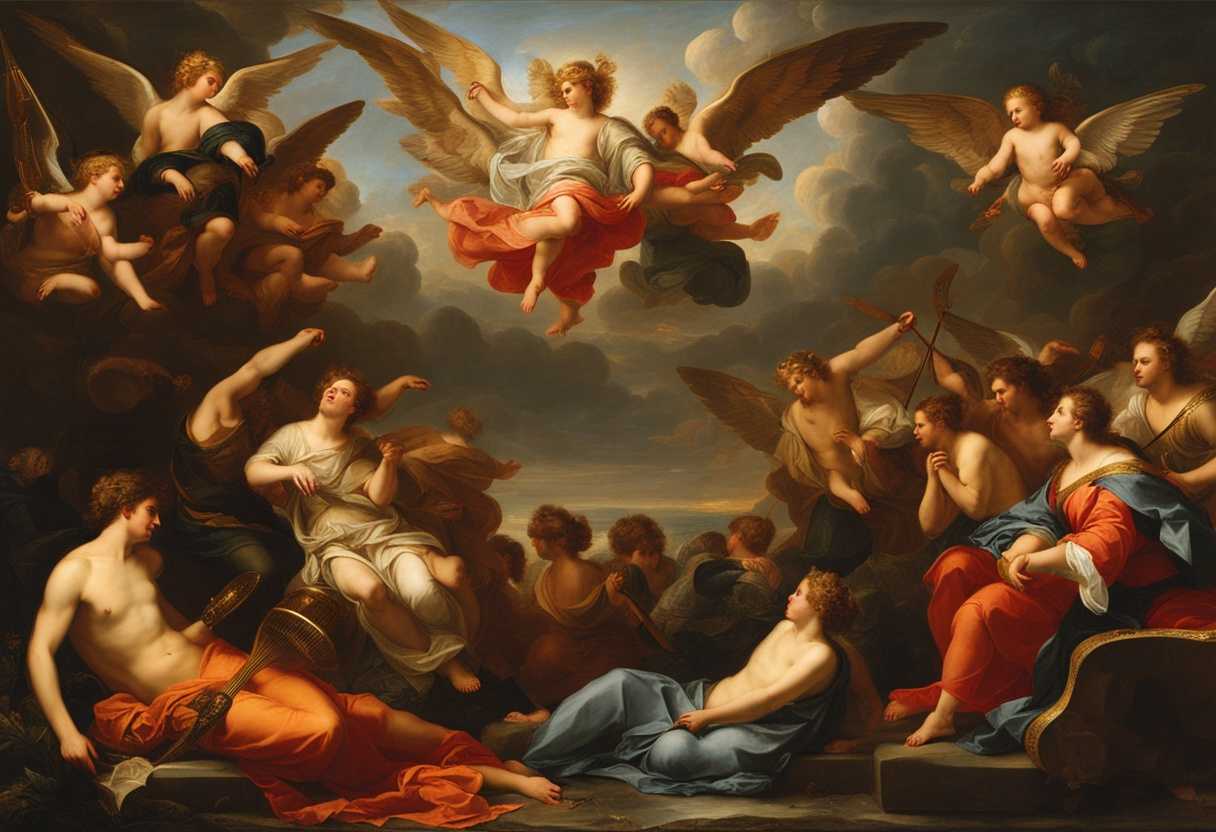
Setting the Scene for Revelation 15:1-4
The scene in Revelation chapter 15 is set in the heavenly realm before the throne of God. The apostle John, who is the author of the book of Revelation, is witnessing this vision. Surrounding the throne are seven angels with the seven last plagues, which are the final judgments of God upon the earth. These plagues are about to be poured out upon the earth as a culmination of God’s wrath and judgment.
In this scene, John also sees a sea of glass mixed with fire, symbolizing the purity and holiness of God’s presence. Standing on the sea of glass are those who have been victorious over the beast and his image, holding harps and singing the song of Moses and the song of the Lamb. These are the redeemed, the faithful followers of God who have remained steadfast in their faith despite the trials and tribulations of the world.
As the angels prepare to pour out the final judgments, the redeemed offer praise and worship to God for His righteous judgments and His faithfulness. This scene serves as a reminder of God’s sovereignty and justice, as well as a testament to the victory of those who remain faithful to Him.
What is Revelation 15:1-4 about?
A powerful message about the nature of God’s justice and the reverence all nations will ultimately show towards Him is seen in this verse. The concept of God’s wrath being just emphasizes the idea that God’s actions are fair and right, even when they may seem harsh or difficult to understand from a human perspective. It speaks to the idea that God’s judgments are just and necessary for maintaining order and righteousness in the world.
The mention of all nations worshipping God for His righteous acts points to a future where all people will come to recognize and acknowledge the justice and sovereignty of God. This is a reminder that God’s ways are higher than our ways, and that ultimately, His justice will prevail and be recognized by all. It invites us to reflect on the awe-inspiring nature of God’s power and authority, and to trust in His wisdom and righteousness even when we may not fully understand it. We are encouraged to consider the implications of God’s justice in our own lives as we ponder on this verse. How does the concept of God’s wrath being just challenge our own understanding of justice and fairness? How can we align our hearts and actions with His righteous ways, and anticipate the day when all nations will bow before Him in worship? This verse invites us to deepen our trust in God’s plans and purposes, knowing that His justice will ultimately be revealed in all its glory.
Understanding what Revelation 15:1-4 really means
Introduction
In Revelation 15:1-4, we delve into John’s vision of the end times, where he witnesses a profound scene unfolding in heaven. This passage is a glimpse into the culmination of God’s judgment and the worship of those who have overcome the trials of the world.
Verse Breakdown and Commentary
“I saw in heaven another great and marvelous sign: seven angels with the seven last plagues—last, because with them God’s wrath is completed.” Here, the imagery of the seven angels carrying the final plagues signifies the ultimate fulfillment of God’s wrath. The completion of God’s judgment through these plagues underscores the finality and decisiveness of His righteous judgment. This sets the stage for the pouring out of the seven bowls of God’s wrath in Revelation 16:1, emphasizing the severity of the impending judgment.
“And I saw what looked like a sea of glass glowing with fire and, standing beside the sea, those who had been victorious over the beast and its image and over the number of its name.” The vivid depiction of the sea of glass glowing with fire symbolizes purity and divine presence. The victorious ones standing by the sea represent those who have triumphed over the forces of evil, showcasing the ultimate victory of God’s faithful followers. This imagery echoes Revelation 4:6, linking back to earlier visions in the book.
“They held harps given them by God and sang the song of God’s servant Moses and of the Lamb:” The act of holding harps and singing praises highlights the worshipful response of the victorious ones. The reference to the “song of Moses” and the “song of the Lamb” bridges the Old and New Testaments, emphasizing the continuity of God’s redemptive plan. Drawing from Exodus 15:1-18, we see the historical and theological significance of this song of praise.
“Great and marvelous are your deeds, Lord God Almighty. Just and true are your ways, King of the nations.” The attributes ascribed to God in this hymn of praise—His deeds, justice, and truth—underscore His sovereignty and righteousness. The title “King of the nations” magnifies God’s universal authority and reign over all peoples. This echoes the sentiments of Psalm 145:17, further emphasizing God’s righteousness and faithfulness.
“Who will not fear you, Lord, and bring glory to your name? For you alone are holy. All nations will come and worship before you, for your righteous acts have been revealed.” The rhetorical question posed here prompts reflection on the reverence and worship due to God. The universal call to worship and acknowledgment of God’s holiness point to the inclusivity of God’s redemptive plan. Philippians 2:10-11 reinforces this universal scope of worship, highlighting the ultimate glorification of God.
Relevance to People Today
The themes of victory, worship, and God’s sovereignty in Revelation 15:1-4 resonate with believers today. Understanding God’s ultimate plan offers hope and encouragement in the midst of trials. Just as the victorious ones in John’s vision found strength in worship, contemporary believers can draw comfort from the assurance of God’s ultimate victory.
Conclusion
In conclusion, Revelation 15:1-4 unveils a powerful scene of worship and victory in the heavenly realm. As we reflect on the greatness of God’s deeds and His sovereignty, may we be inspired to join in the worship and adoration of the King of kings. Let us find hope in the promises of God’s ultimate triumph and draw strength from the assurance of His righteous acts.
What does it mean to fully worship God?
To fully worship God means acknowledging His greatness and holiness, praising Him for His wondrous works and mighty deeds. It involves recognizing His sovereignty over all creation and our dependence on Him for everything. True worship also entails a sincere and devoted heart, expressing gratitude and adoration for His mercy and grace towards us. Multitudes sing songs of praise and adoration, acknowledging His marvelous deeds and righteous acts in a magnificent display of worship before God’s throne in Revelation 15:1-4. This passage emphasizes the significance of giving honor and glory to God in all His majesty, recognizing Him as the only one worthy of true worship.
Fully worshiping God requires a complete surrender of ourselves to Him, aligning our hearts, minds, and actions with His will. It is a lifestyle characterized by faith, reverence, and obedience, seeking to bring glory and praise to His name in all that we say and do.
Application
Let’s take a moment to ponder Revelation 15:1-4, focusing on the majestic greatness of our Heavenly Father. It urges us to honor Him for His marvelous works and divine righteousness. Let’s respond with deep respect and admiration, recognizing His unmatched splendor. Will you stand with me and echo praises of worship and devotion to the Supreme Ruler and Almighty One?

Reverend Michael Johnson is an experienced Church Minister with a profound expertise in spirituality and guidance. With a serene presence and a compassionate heart, he has faithfully served his congregation for over 20 years, leading them on a spiritual journey towards inner peace and enlightenment. Reverend Johnson’s extensive knowledge of religious philosophies and profound understanding of human nature have made him a trusted confidant and mentor to many, as he seamlessly weaves his profound wisdom into life teachings. Reverend Johnson’s calming demeanor and empathetic nature continue to uplift and heal souls, nurturing a sense of unity and tranquility within his community.