
Revelation 20:12-13 is about the final judgment before the great white throne, where all the dead, great and small, stand before God and are judged according to their deeds, resulting in either eternal life or eternal condemnation.
12 And I saw the dead, great and small, standing before the throne, and books were opened. Then another book was opened, which is the book of life. And the dead were judged by what was written in the books, according to what they had done.
13 And the sea gave up the dead who were in it, Death and Hades gave up the dead who were in them, and they were judged, each one of them, according to what they had done.
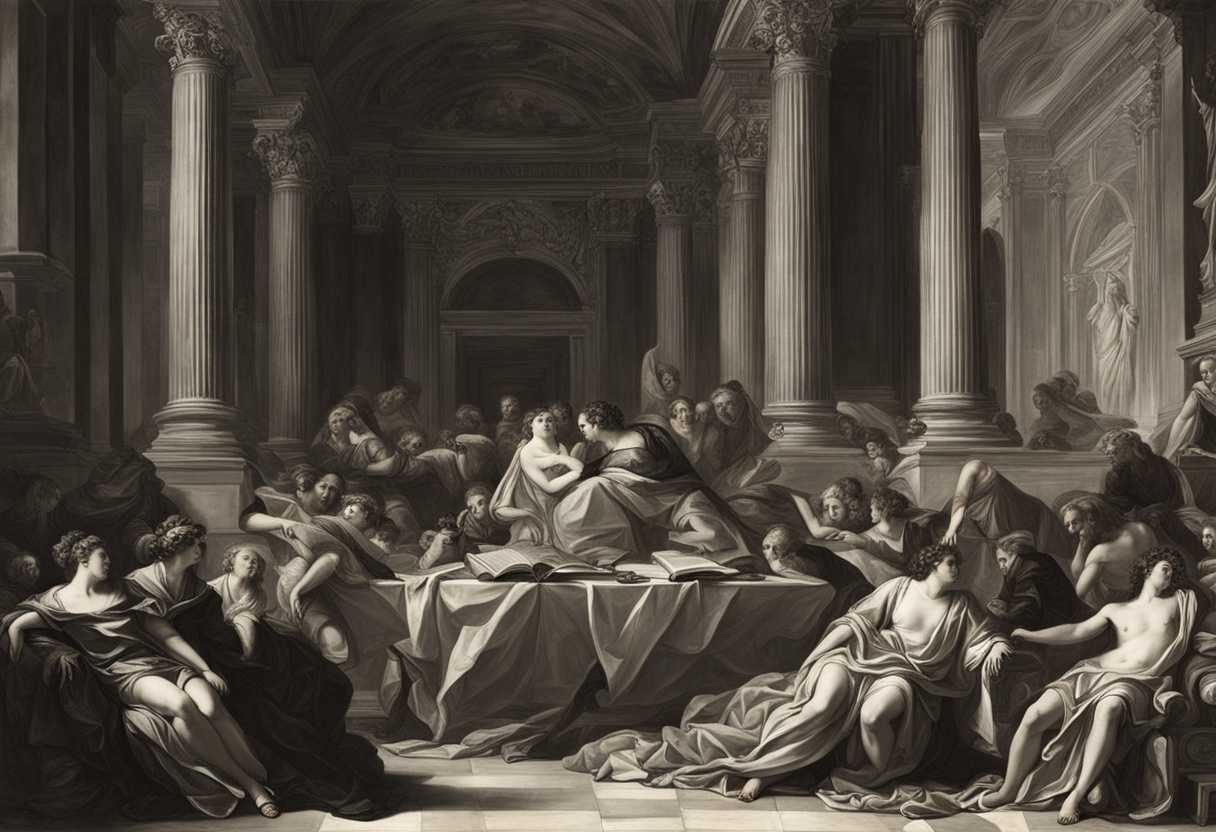
Setting the Scene for Revelation 20:12-13
In Revelation chapter 20, we find ourselves in a momentous scene where the great white throne judgment is taking place. The setting is awe-inspiring, with a vast and magnificent throne radiating a brilliant white light, symbolizing purity and divine authority. Surrounding the throne are countless angels, saints, and all of humanity who have ever lived, standing in reverent silence before the Almighty God.
As the scene unfolds, the books are opened, including the Book of Life, which contains the names of those who have accepted Christ as their Savior. Each individual’s life is laid bare before God, with every thought, word, and deed accounted for. The atmosphere is charged with anticipation and solemnity as each person awaits their judgment.
In this moment, there is no room for deception or excuses, as God’s perfect justice is carried out with impartiality. The fate of each soul is determined based on their relationship with God and their acceptance or rejection of His salvation. It is a sobering reminder of the importance of living a life that is pleasing to God and the eternal consequences of our choices.
What is Revelation 20:12-13 about?
This verse speaks to the concept of accountability and justice after death. It implies that all our actions during our lifetime will be accounted for, and we will be judged based on our deeds. The idea of the deeds being recorded in books symbolizes the thoroughness and accuracy of this judgment. It highlights the importance of living a righteous life and being mindful of our actions as they will ultimately determine our fate.
The mention of death and Hades giving up the dead underscores the inevitability of facing judgment. It prompts us to reflect on the transient nature of life and the certainty of being held accountable for our choices and behaviors. This verse serves as a reminder to strive for goodness and righteousness, as our deeds will ultimately determine our status in the afterlife. It challenges us to ponder the significance of our actions and the impact they will have on our eternal destiny. Contemplating this verse encourages us to consider the weight of our decisions and the consequences they may have beyond this life. It prompts us to reflect on how we are living and whether our actions align with our values and beliefs. This verse challenges us to strive for integrity and morality, knowing that one day we will be judged based on the deeds we have done during our time on Earth. It serves as a reminder of the importance of living a purposeful and virtuous life, with the understanding that our choices have eternal significance.
Understanding what Revelation 20:12-13 really means
In Revelation 20:12-13, we are presented with a vivid depiction of the final judgment as part of John’s vision of the end times. This passage portrays a scene where all individuals, regardless of their status or power during their earthly lives, stand before the throne to be judged according to their deeds. The imagery of books being opened symbolizes the meticulous record-keeping of human actions, leaving no deed unnoticed or forgotten. Additionally, the mention of the book of life signifies those who have secured eternal life through their faith in Jesus Christ, contrasting the fate of those whose deeds condemn them.
Drawing parallels from other biblical passages enriches our understanding of this final judgment. Daniel 7:10 echoes the imagery of divine judgment and the opening of books, emphasizing the solemnity and thoroughness of the process. In Matthew 25:31-46, Jesus’ parable of the sheep and the goats provides a detailed account of how individuals will be judged based on their actions, reinforcing the principle of divine justice. Romans 2:6 further solidifies the concept that God will judge each person according to their deeds, underlining the accountability we all bear for our actions.
The relevance of this passage to contemporary society is profound. In a world where accountability often seems elusive, the reminder of ultimate judgment serves as a moral compass, urging us to live with integrity and righteousness. For believers, the book of life offers hope and assurance of eternal life, grounding our faith in the promise of salvation through Christ. This passage underscores the moral responsibility we have towards our actions, emphasizing that even the seemingly insignificant deeds carry eternal significance.
Consider a story of an individual who exemplified a life of integrity and kindness, impacting others profoundly through their unseen acts of goodness. This narrative serves as a poignant reminder that our deeds, whether visible to others or hidden from sight, are all accounted for and will be acknowledged in the final judgment. It prompts us to reflect on the legacy we are building through our actions and the eternal consequences they may hold.
In conclusion, Revelation 20:12-13 illuminates the universality of judgment, the weight of our deeds, and the hope found in the book of life. As we contemplate this passage, let us introspect on our own lives, striving to live in a manner that aligns with God’s standards of righteousness. May we find solace in the just and loving nature of God, trusting in His ultimate judgment and the assurance of eternal life for those who walk in faith and obedience.
Are our deeds recorded in the Book of Life?
Yes, according to the passage in Revelation 20:12-13, it mentions that the deeds of every individual are recorded in the Book of Life, and these deeds will be judged accordingly. The Book of Life is believed to contain the names of those who have accepted God’s forgiveness and have an eternal place in His kingdom. Therefore, the recording of our deeds in the Book of Life signifies the ultimate accountability for our actions and choices in this life.
The idea of our deeds being recorded serves as a reminder of the importance of living a righteous and compassionate life. It encourages believers to act in ways that are aligned with their faith and values, knowing that their actions will be accounted for in the end. This belief in a divine judgment based on the recording of deeds in the Book of Life serves as a motivation for individuals to strive towards goodness and righteousness in their daily lives. A belief in divine justice and accountability ultimately reflects the concept of recording our deeds in the Book of Life. It emphasizes the idea that our choices and actions have eternal significance and will be weighed in the final judgment. This understanding can influence individuals to lead a life that is characterized by kindness, love, and service to others, as they strive to leave a positive mark that will be recorded in the ultimate Book of Life.
Application
Let the words of Revelation 20:12-13 ignite a fire within you. Visualize the judgment seat of God, where every action is accounted for. Embrace the call to lead a life filled with meaning, goodness, and faithfulness. Will you ensure your place in the book of life in the face of this profound truth?

Reverend Michael Johnson is an experienced Church Minister with a profound expertise in spirituality and guidance. With a serene presence and a compassionate heart, he has faithfully served his congregation for over 20 years, leading them on a spiritual journey towards inner peace and enlightenment. Reverend Johnson’s extensive knowledge of religious philosophies and profound understanding of human nature have made him a trusted confidant and mentor to many, as he seamlessly weaves his profound wisdom into life teachings. Reverend Johnson’s calming demeanor and empathetic nature continue to uplift and heal souls, nurturing a sense of unity and tranquility within his community.