
Revelation 6:6 is about the scarcity and injustice that will accompany the fourth seal being broken, symbolizing a period where economic disparity and suffering will afflict many.
6 And I heard what seemed to be a voice in the midst of the four living creatures, saying, “A quart of wheat for a denarius, and three quarts of barley for a denarius, and do not harm the oil and wine!”
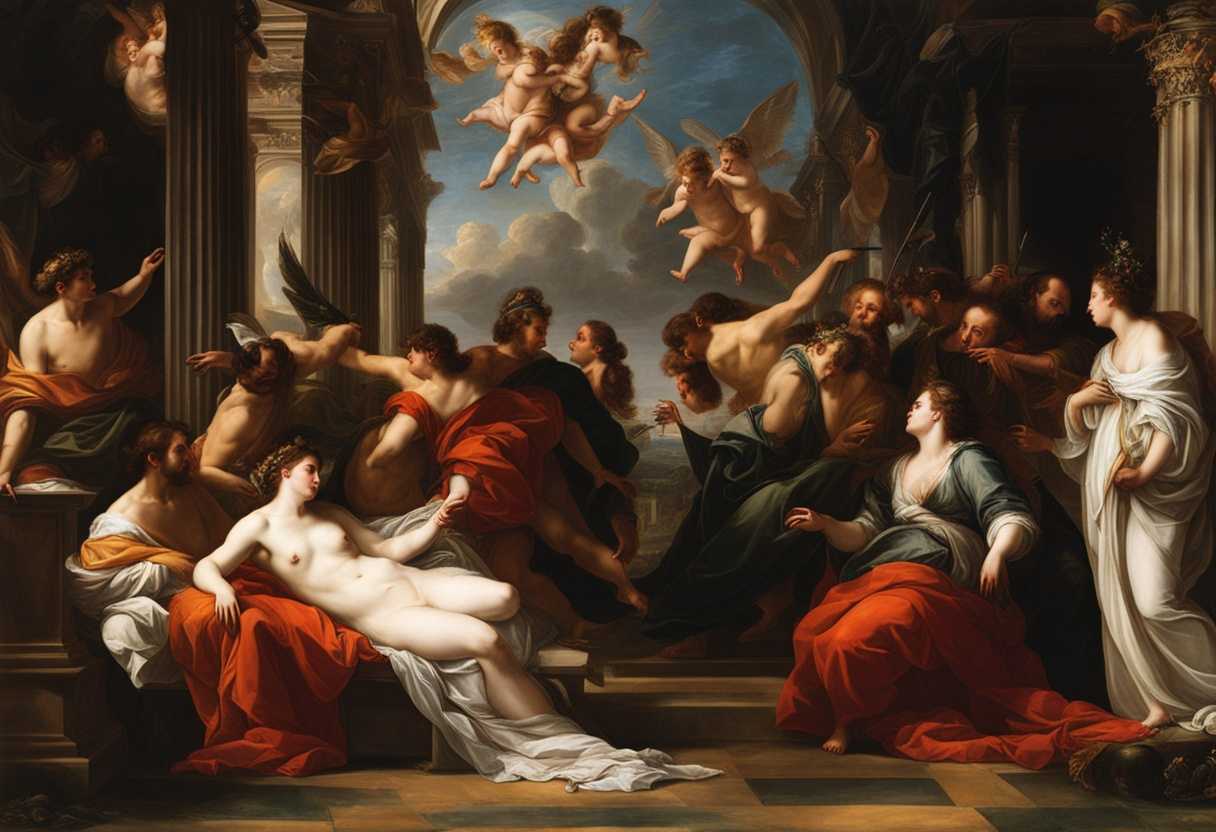
Setting the Scene for Revelation 6:6
In Revelation chapter 6, the scene opens with the Lamb of God, Jesus Christ, breaking the seals of a scroll that unleashes various events on the earth. As the Lamb opens the third seal, a black horse appears, and its rider holds a pair of scales in his hand. This rider represents scarcity and famine, as a voice from among the four living creatures declares, “A quart of wheat for a denarius, and three quarts of barley for a denarius, and do not harm the oil and wine!”
The setting is a heavenly scene, with the Lamb of God at the center, surrounded by the four living creatures and the twenty-four elders. The living creatures, described as having six wings and covered in eyes, are full of eyes both in front and behind. The elders, clothed in white robes and wearing crowns of gold, are seated on thrones around the Lamb. The atmosphere is filled with a sense of awe and reverence as the seals are being broken, and the events foretold in the scroll begin to unfold.
The heavenly beings present in this scene have gathered in response to the Lamb’s actions, each playing a significant role in the unfolding of God’s divine plan. The setting is one of divine authority and power, as the Lamb reveals the events that will shape the future. The imagery is rich with symbolism, conveying the gravity of the events about to take place on earth as each seal is broken and the riders are unleashed.
What is Revelation 6:6 about?
The verse in Revelation 6:6 presents a dire warning of scarcity and economic hardship during the end times. It paints a vivid picture of a time when basic necessities become luxuries, as a day’s wages will barely be able to provide enough food to sustain oneself. The imagery of the prices of wheat and barley being inflated while the oil and wine remain untouched highlights the severity of the situation, where essential items become extravagances that only the wealthy can afford. This verse serves as a cautionary tale about the consequences of greed, imbalance, and disregard for the well-being of others, especially during times of crisis.
Reflecting on this verse may lead us to ponder our own actions and values in our daily lives. Are we prioritizing material wealth and possessions over the well-being of those around us? Are we contributing to systems that perpetuate inequality and scarcity? The message behind this verse can serve as a powerful reminder to cultivate compassion, empathy, and a sense of responsibility towards others, particularly in times of need. We can work towards building a more equitable and compassionate society by heeding this warning.
Understanding what Revelation 6:6 really means
Revelation 6:6, nestled within the intricate tapestry of the Book of Revelation, unveils a vision granted to John during the unveiling of the seven seals. Here, a poignant scene unfolds as a voice resonates among the four living creatures, delineating the cost of wheat and barley while cautioning against harm to the oil and wine. This symbolic imagery often elicits interpretations of economic hardship and scarcity, painting a vivid picture of the challenges faced in times of tribulation.
In parallel, other biblical passages such as Matthew 24:7, where Jesus foretells of famines as signs of the end times, echo the scarcity depicted in Revelation 6:6. The words of the prophet Amos in Amos 8:11-12, describing a famine of hearing the words of the Lord, offer a spiritual parallel to the physical famine alluded to in Revelation. Proverbs 11:1 further reinforces the theme, emphasizing the Lord’s disdain for dishonest scales, underscoring the importance of fairness in economic transactions.
The enduring relevance of Revelation 6:6 resonates strongly in today’s world, where economic instability and scarcity continue to afflict many. This verse serves as a poignant reminder of the imperative need for justice and equity in economic dealings, urging individuals to act with compassion and support towards those grappling with adversity. In a tangible anecdote, envision a community grappling with a natural disaster-induced food shortage, where the local church steps in to provide sustenance and aid, embodying the essence of fairness and care advocated in Revelation 6:6.
Delving into the specifics of the verse, the mention of “a quart of wheat for a denarius, and three quarts of barley for a denarius” paints a stark picture of economic distress, where basic necessities become exorbitantly priced. The reference to a denarius, equivalent to a day’s wage, underscores the arduous struggle individuals face in procuring meager sustenance. Furthermore, the directive to “not harm the oil and wine” underscores a poignant juxtaposition between essential needs and luxury items, urging a prioritization of necessities over extravagances, particularly in times of crisis.
In conclusion, Revelation 6:6 stands as a poignant beacon, illuminating the path towards justice, fairness, and compassion in economic realms. It beckons individuals to be cognizant of the plights of others and to extend a helping hand with empathy and kindness. By reflecting on this verse and its interconnected passages, we glean invaluable insights on navigating economic challenges with integrity and benevolence, fostering a community where fairness and care reign supreme.
How do material possessions affect our spiritual health?
Material possessions can have a significant impact on our spiritual health. When we become too attached to material possessions, they can distract us from our spiritual journey and shift our focus away from God. This can lead to feelings of greed, selfishness, and a lack of contentment, which can hinder our spiritual growth. The verse reminds us of the importance of not placing too much importance on material wealth and possessions, as they can ultimately leave us unfulfilled and distant from our faith. We can cultivate a deeper connection to our spiritual selves and to God by recognizing the fleeting nature of material possessions and not allowing them to consume our hearts and minds. Letting go of the need for excessive material wealth can free us from the burden of constantly seeking more and instead help us find true satisfaction and peace in our faith. This verse serves as a powerful reminder to prioritize our spiritual health over material wealth and to seek contentment in our relationship with God rather than in material possessions.
Application
Dear reader, in the fast-paced world we navigate, Revelation 6:6 teaches us the essence of staying resilient amid tough times. Let this verse awaken the spirit within you to face adversity head-on with unwavering faith. As you ponder on your own journey, remember that just as we support our colleagues at work and cherish our loved ones at home, so too must we extend that support to those in need during trying times. How will you rise to the challenge of bolstering your faith and reaching out to others in their time of need?

Reverend Michael Johnson is an experienced Church Minister with a profound expertise in spirituality and guidance. With a serene presence and a compassionate heart, he has faithfully served his congregation for over 20 years, leading them on a spiritual journey towards inner peace and enlightenment. Reverend Johnson’s extensive knowledge of religious philosophies and profound understanding of human nature have made him a trusted confidant and mentor to many, as he seamlessly weaves his profound wisdom into life teachings. Reverend Johnson’s calming demeanor and empathetic nature continue to uplift and heal souls, nurturing a sense of unity and tranquility within his community.