
Revelation 6:7-8 is about the fourth horseman of the Apocalypse, Death, riding a pale horse symbolizing disease, death, and destruction, indicating the eventual outcome of a world filled with violence and unrest.
7 When he opened the fourth seal, I heard the voice of the fourth living creature say, “Come!”
8 And I looked, and behold, a pale horse! And its rider’s name was Death, and Hades followed him. And they were given authority over a fourth of the earth, to kill with sword and with famine and with pestilence and by wild beasts of the earth.
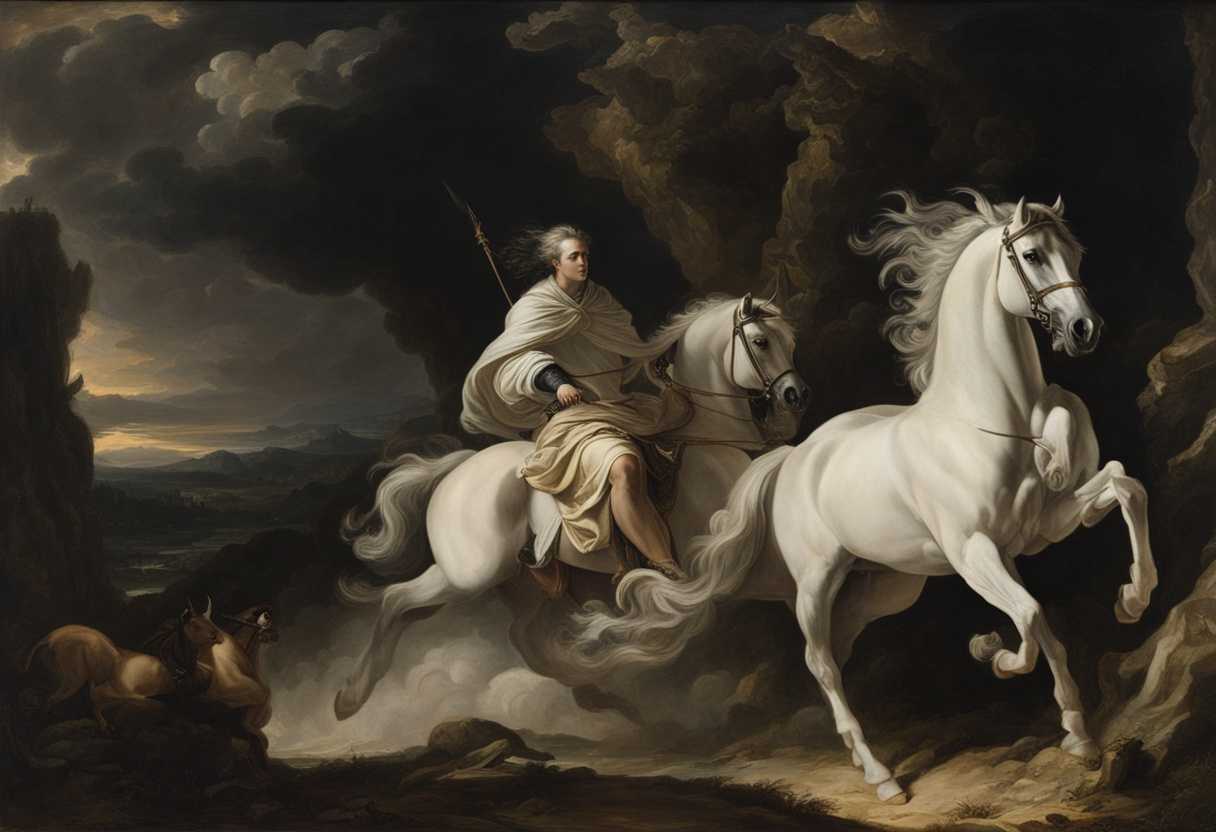
Setting the Scene for Revelation 6:7-8
In Revelation chapter 6, the scene opens with the breaking of the fourth seal by the Lamb, unleashing the fourth horseman of the Apocalypse. As the seal is broken, a pale horse appears, and its rider is named Death, followed closely by Hades. The atmosphere is heavy with foreboding as Death is given power over a fourth of the earth to kill by sword, famine, plague, and wild beasts.
In this chilling scene, the heavenly beings and elders surrounding the throne of God witness the unfolding of these apocalyptic events. The air is thick with tension as Death and Hades ride forth, bringing destruction and chaos in their wake. The colors of the horse and the grim visages of its riders create a stark contrast against the heavenly backdrop, emphasizing the gravity of the situation.
The onlookers, including angels and saints, are filled with awe and dread as they witness the unfolding of these catastrophic events. The breaking of the seals marks the beginning of the end times, and the gravity of the situation is palpable in the air. The scene is a powerful reminder of the ultimate sovereignty of God over all creation, even in the midst of such devastation and despair.
What is Revelation 6:7-8 about?
The fourth seal in Revelation 6:7-8 reveals a horse, “pale” in color, ridden by Death, followed by Hades. This imagery symbolizes the devastating impact of death and the grave on humanity as a result of sin and judgment. It is a grim reminder of the consequences of living apart from God and His righteousness.
This passage serves as a powerful reminder of the ultimate accountability we all have before God. It prompts us to reflect on how we are living our lives and whether we are in alignment with His will. Moreover, repentance, seeking forgiveness, and turning towards God’s mercy and grace underscore importance. This verse serves as a sobering warning about the destructive power of sin and the necessity of living in righteousness and in a way that honors God. It challenges us to reevaluate our priorities, actions, and beliefs, and to always strive towards a life that is pleasing to God.
Understanding what Revelation 6:7-8 really means
In the Book of Revelation, penned by John, we are presented with a prophetic vision of the end times, a glimpse into the culmination of human history and the ultimate victory of God. Within this apocalyptic narrative, Revelation 6:7-8 introduces us to the fourth horseman, a figure often associated with death and Hades, embodying the grim realities of mortality and the afterlife.
The key phrases in this passage hold profound meanings that resonate with the human experience. The “pale horse” symbolizes death and decay, with its sickly hue evoking images of sickness and mortality. The rider named Death personifies the inevitability of mortality, signaling widespread death and destruction. Hades, following closely, represents the grave or the realm of the dead, underscoring the inextricable link between death and the afterlife. The power given over a fourth of the earth signifies significant but not total impact, highlighting the extent of devastation that will unfold. The description of death by sword, famine, plague, and wild beasts emphasizes the comprehensive nature of the impending destruction.
Drawing parallels with other biblical passages enriches our understanding of Revelation 6:7-8. Ezekiel 14:21 speaks of God’s severe judgments, mirroring the means of death described in Revelation. In Matthew 24:7-8, Jesus foretells of calamities akin to those in Revelation, underscoring the prophetic nature of these events. Psalm 23:4 offers solace amidst the fear of death, reminding believers of God’s presence even in the shadow of mortality.
The relevance of this passage to contemporary audiences is profound. It serves as a poignant reminder of our mortality, prompting introspection on our lives and spiritual standing. The call to repentance echoes through the ages, urging individuals to seek forgiveness and salvation in anticipation of the coming judgment. Amidst the grim imagery, there is a beacon of hope in Christ, offering believers the promise of eternal life beyond the veil of death.
Consider a community ravaged by a natural disaster, where vulnerability and mortality loom large. In such moments, faith often becomes a source of comfort and guidance. Similarly, the imagery in Revelation 6:7-8 can lead individuals to seek solace and hope in their faith, recognizing the transient nature of life and the eternal promise of salvation through Christ.
In conclusion, let us reflect on our mortality and the state of our souls. May we find assurance in our faith, knowing that in Christ, there is hope beyond the specter of death. This passage is a call to action, urging us to live purposefully and urgently, mindful of the fleeting nature of life and the eternal significance of our choices.
How can humanity reconcile with death and judgment?
Horsemen representing the fourth seal of the apocalypse depict death and judgment in the mentioned passage. This imagery serves as a stark reminder of the inevitability of death and the ultimate judgment that all individuals will face. The concept of death and judgment in this context is meant to encourage humanity to reflect on their actions and prepare for the afterlife.
Humanity can reconcile with death and judgment by embracing the idea that these are natural parts of the cycle of life. Individuals can acknowledge the reality of death and judgment, strive to lead a righteous life, and make amends for any wrongdoings. This acceptance can lead to a sense of peace and spiritual readiness for the afterlife. Humanity can find solace in the belief that there is a greater purpose beyond this earthly existence by ultimately understanding the significance of death and judgment in the context of the verse mentioned. This can inspire individuals to live with intention, kindness, and a sense of accountability for their actions, knowing that they will ultimately face a divine judgment.
Application
Embrace the urgency of Revelation’s message – life can slip away like sand through the hourglass. Reflect on your spiritual path now – is it aligned with your deepest beliefs? Do not wait for tomorrow, for the pale horse may already be at your doorstep. It’s time to grasp the reins of your destiny and steer towards a life filled with meaning and grace. Will you choose to seize this moment and embrace a more profound connection with your faith?

Reverend Michael Johnson is an experienced Church Minister with a profound expertise in spirituality and guidance. With a serene presence and a compassionate heart, he has faithfully served his congregation for over 20 years, leading them on a spiritual journey towards inner peace and enlightenment. Reverend Johnson’s extensive knowledge of religious philosophies and profound understanding of human nature have made him a trusted confidant and mentor to many, as he seamlessly weaves his profound wisdom into life teachings. Reverend Johnson’s calming demeanor and empathetic nature continue to uplift and heal souls, nurturing a sense of unity and tranquility within his community.