
Romans 11:24 is about the idea that God has the power to graft back in the original branches (Israelites) to the olive tree (representing the salvation covenant) despite their disobedience, emphasizing God’s mercy and faithfulness.
24 For if you were cut from what is by nature a wild olive tree, and grafted, contrary to nature, into a cultivated olive tree, how much more will these, the natural branches, be grafted back into their own olive tree.
Setting the Scene for Romans 11:24
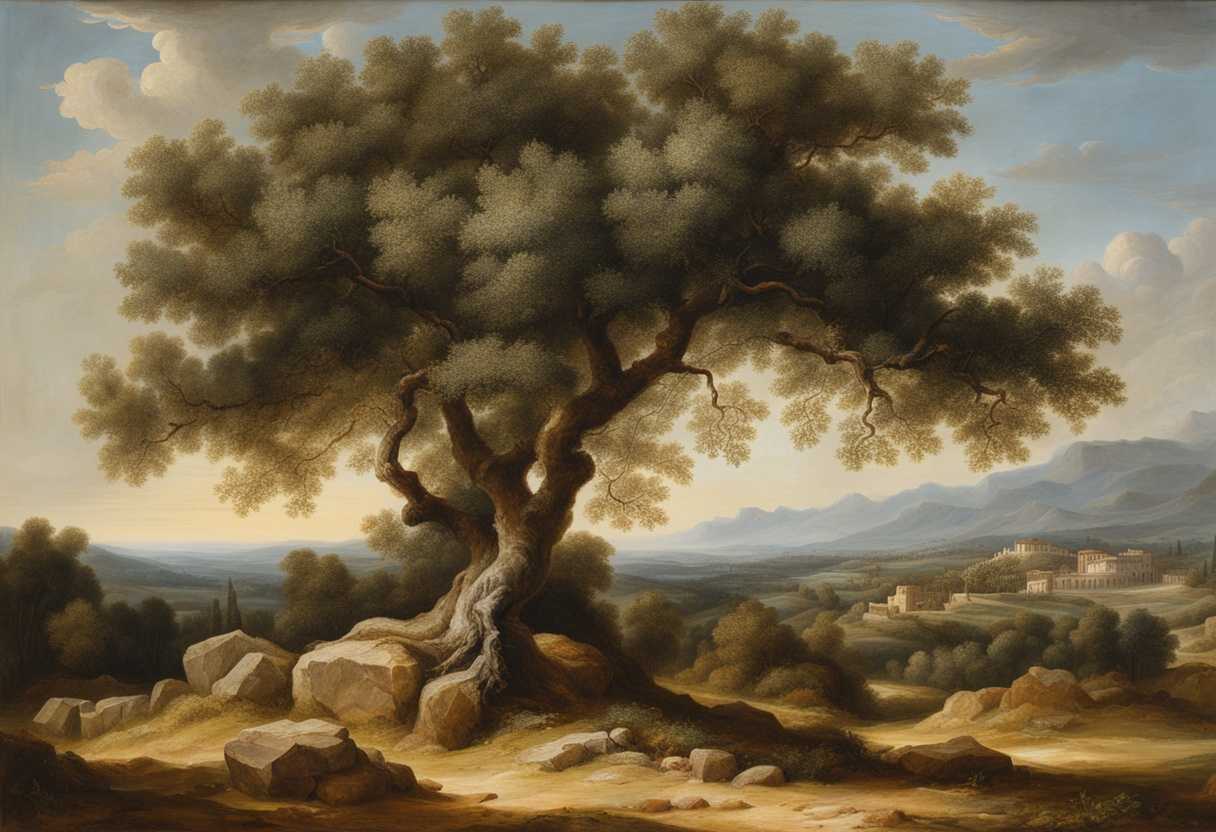
In Romans chapter 11, the apostle Paul is addressing the Gentile believers in Rome, explaining to them the relationship between the Jewish people and the Gentiles in God’s plan of salvation. As he delves into the analogy of the olive tree, he sets the scene by describing a vast and ancient olive grove. The branches of the olive tree represent the Jewish people who were originally part of the tree but were broken off due to unbelief, while the Gentiles, represented by wild olive shoots, were grafted in to share in the nourishing sap of the tree.
Paul, a former Pharisee turned follower of Christ, is speaking to a diverse group of believers in Rome, including both Jewish and Gentile converts. The setting is likely a gathering in a private home or a meeting place where they have come together to study and discuss the teachings of the apostles. The room is filled with a mix of cultures and backgrounds, reflecting the unity in Christ that transcends societal divisions.
As Paul continues to explain the mystery of God’s plan for both Jews and Gentiles to be saved through faith in Jesus Christ, the atmosphere in the room is one of anticipation and revelation. The believers listen intently as Paul uses the imagery of the olive tree to illustrate God’s faithfulness and the importance of faith in Him. The scene is charged with the weight of theological truths and the beauty of God’s redemptive plan for all who believe.
What is Romans 11:24 about?
The concept of grafting is used as a metaphor in Romans 11:24 to illustrate God’s inclusive and merciful nature towards those who believe in Him. Just like a branch from one tree can be grafted onto another tree, believers are welcomed into God’s family regardless of their background or past. This imagery conveys the idea that God’s mercy knows no boundaries and that anyone who believes in Him can be embraced and integrated into His kingdom.
Have you ever felt like you didn’t belong or that your past mistakes might hold you back from being accepted by God? This verse is a powerful reminder that God’s love and mercy are available to all who believe in Him, regardless of their history or shortcomings. It highlights the inclusive nature of God’s grace and the boundless opportunities for redemption and reconciliation that come with faith. Our lives can be transformed and renewed when we place our trust in God and allow Him to work His mercy in us, just as a tree can be rejuvenated and flourish through the process of grafting.
Understanding what Romans 11:24 really means
Romans 11:24, nestled within the profound teachings of the Apostle Paul, serves as a poignant reminder of the intricate relationship between Jews and Gentiles in God’s redemptive narrative. Through the metaphor of the olive tree, Paul vividly portrays the inclusion of Gentiles, likened to wild olive shoots, into the spiritual heritage of Israel, symbolized by the cultivated olive tree. This imagery of being grafted in signifies the Gentiles’ participation in the promises and blessings originally bestowed upon Israel, a divine act that transcends natural order and underscores the magnanimity of God’s grace.
In delving into the key phrases of this verse, we unravel layers of meaning that enrich our understanding of God’s inclusive plan. The term “wild olive shoot” embodies the Gentiles, once estranged from God’s covenant, now intricately woven into His redemptive tapestry. The notion of being “grafted in” not only signifies inclusion but also highlights the supernatural intervention required for such a union, emphasizing the sovereignty of God in orchestrating salvation history. The phrase “contrary to nature” poignantly underscores the divine initiative in grafting the Gentiles, showcasing God’s unparalleled ability to transcend human limitations and bring forth unity amidst diversity.
Drawing parallels with other biblical passages such as John 15:1-5 and Ephesians 2:11-22, we witness a consistent theme of unity and inclusion within God’s overarching plan of redemption. Just as Jesus likened Himself to the true vine and His followers to branches, emphasizing the vital connection for spiritual vitality, Paul elucidates in Ephesians the breaking down of barriers between Jews and Gentiles, forging a new humanity in Christ. These passages collectively echo the harmonious symphony of God’s inclusive love, beckoning believers to embrace diversity and unity within the body of Christ.
The relevance of Romans 11:24 resonates deeply in today’s context, urging believers to reflect on the boundless grace that has enfolded them into God’s family. This verse serves as a beacon of humility and gratitude, prompting individuals to recognize their inclusion as a divine gift rather than a merit-based achievement. Moreover, it calls for a spirit of unity and mutual respect within the church, transcending cultural and ethnic boundaries to foster a harmonious community reflective of God’s diverse tapestry of creation.
In contemplating the imagery of the olive tree and the act of grafting, we are invited to envision a communal garden where individuals from varied backgrounds come together to cultivate and reap the fruits of shared labor. This anecdote mirrors the inclusive nature of God’s salvation plan, where diverse individuals are welcomed into His family, enriching the spiritual landscape with their unique contributions and perspectives. Just as the garden thrives through unity and collaboration, so too does the body of Christ flourish when believers embrace diversity and unity in equal measure.
As we apply the profound truths encapsulated in Romans 11:24 to our lives, we are beckoned to introspection and action. Reflecting on the grace that has grafted us into God’s family, we are called to celebrate the diversity within the body of Christ, recognizing each member as a vital part of God’s grand design. By striving for unity and mutual respect within our faith communities, we embody the inclusive love of God, fostering a harmonious environment where all believers can flourish and grow in their spiritual journey.
In conclusion, Romans 11:24 stands as a testament to the depth of God’s grace and the beauty of His inclusive plan for salvation. Through its timeless message of unity, inclusion, and divine grace, this verse beckons believers to embrace diversity, cultivate unity, and celebrate the richness of God’s redemptive work in bringing together individuals from every tribe, tongue, and nation into His eternal family.
How can we grow in faith and be grafted in?
We can grow in faith and be grafted in by understanding that we have been included in God’s family through faith in Jesus Christ. This means that we are no longer separated from God but have become part of His chosen people. We can also graft ourselves into God’s family through faith, just as a branch from a wild olive tree can be grafted into a cultivated olive tree and share in its nourishment and life.
Growth in faith happens when we acknowledge our need for God, accept the saving grace of Jesus Christ, and allow the Holy Spirit to work in our lives. Our faith will deepen and strengthen as we stay connected to God through prayer, studying His Word, fellowship with other believers, and living a life that honors Him. Grafting in, therefore, involves a transformation where we move from being outsiders to becoming insiders, from being spiritually dead to being spiritually alive in Christ.
Being grafted in is a symbol of the new identity and relationship we have with God through Jesus Christ. It is a reminder that our faith is not based on our own efforts or merits but on the grace of God. Our faith will grow, and we will bear fruit that glorifies Him as we continue to trust in Him and walk in obedience to His will. Our lives will reflect the character of Christ as we remain connected to Him, just as a grafted branch produces fruit that reflects the nature of the tree it is grafted into.
Application
Imagine yourself as a strong branch, firmly grafted into the family tree of faith. Let this vision inspire you to spread love and grace in your work and interactions with others. Today, will you plant the seeds of faith and acceptance in your community, nurturing growth and connection among all?

Reverend Michael Johnson is an experienced Church Minister with a profound expertise in spirituality and guidance. With a serene presence and a compassionate heart, he has faithfully served his congregation for over 20 years, leading them on a spiritual journey towards inner peace and enlightenment. Reverend Johnson’s extensive knowledge of religious philosophies and profound understanding of human nature have made him a trusted confidant and mentor to many, as he seamlessly weaves his profound wisdom into life teachings. Reverend Johnson’s calming demeanor and empathetic nature continue to uplift and heal souls, nurturing a sense of unity and tranquility within his community.