
10 And not only so, but also when Rebekah had conceived children by one man, our forefather Isaac,
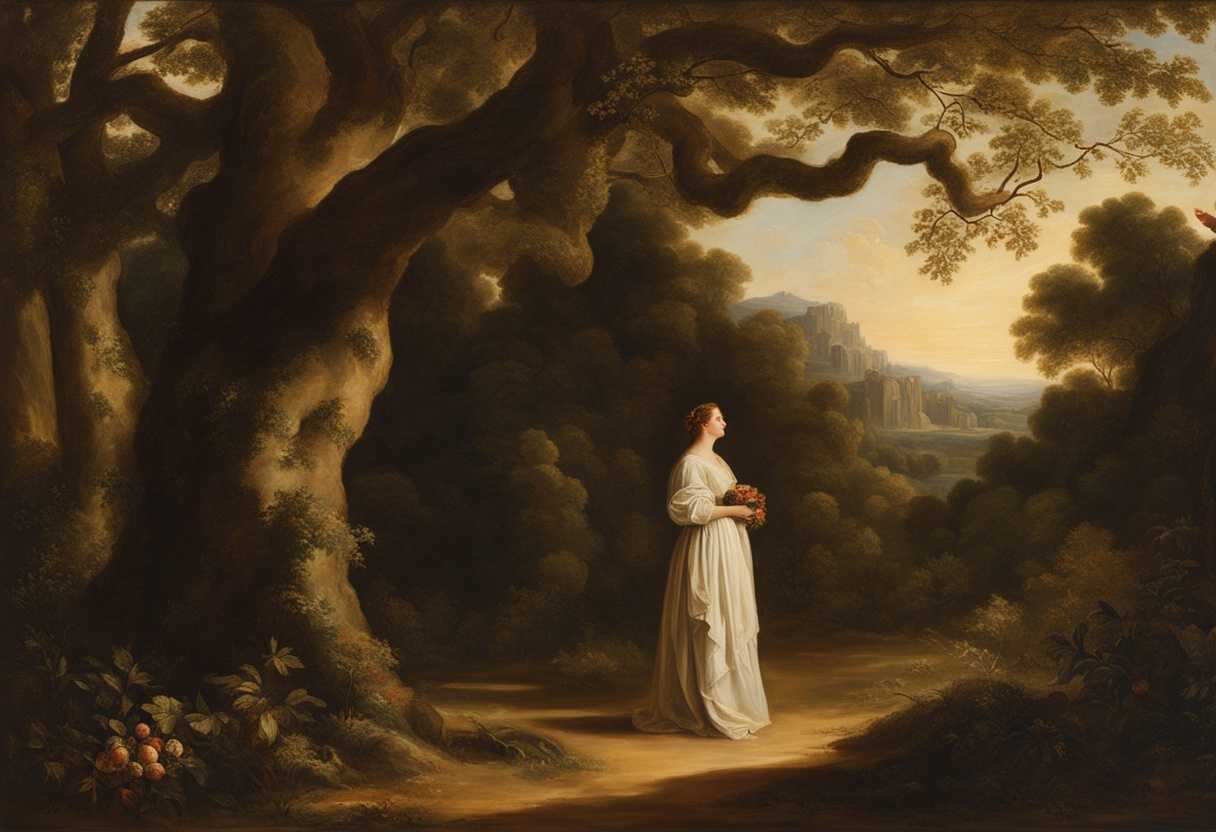
Setting the Scene for Romans 9:10
In Romans chapter 9, the apostle Paul delves into the concept of God’s sovereign choice in salvation, using the examples of Isaac and Ishmael, Jacob and Esau to illustrate his point. Let’s set the scene for the reference in Romans 9:10, where Paul writes, “Not only that, but Rebekah’s children were conceived at the same time by our father Isaac.”
The scene takes place in the ancient land of Canaan, where Isaac, the son of Abraham, and Rebekah, his wife, reside. The couple had been married for many years, and Rebekah had been barren. However, in a miraculous turn of events, God opened Rebekah’s womb, and she conceived twins. The twins, Jacob and Esau, were destined to play significant roles in the unfolding story of God’s redemptive plan for His people.
As Isaac and Rebekah marvel at the news of their impending parenthood, the tension and drama of God’s sovereign choice begin to unfold. Little do they know that their twin sons will become central figures in the divine drama of salvation history, with one chosen to carry on the covenant promises of God while the other will play a supporting role. The scene is set for a complex and intricate narrative of God’s sovereignty and human response, as Paul uses this example to illustrate the deeper theological truths he is exploring in Romans chapter 9.
What is Romans 9:10 about?
The story of Jacob and Esau in this verse displays a powerful demonstration of God’s sovereignty and predestination. Before they were even born, God chose Jacob over Esau. This can be a challenging concept to understand, but it reveals God’s ultimate authority in determining who will receive salvation. It reminds us that God’s choices are not based on human merit or deeds but on His divine will and purpose.
Think about the significance of God’s choice here. It challenges us to grapple with the depth of God’s sovereignty and wrestle with our understanding of free will and predestination. How does this verse shape our understanding of God’s plan for salvation and His control over all things? It prompts us to consider the implications of such a profound truth on our faith and relationship with God. This verse ultimately invites us to trust in God’s wisdom and sovereignty, even when we may not fully grasp the mysteries of His ways.
Understanding what Romans 9:10 really means
Structure:
- Introduction to the Verse
- Context within the Chapter and Book
- Key Phrases and Their Meanings
- Cross-References to Other Biblical Passages
- Relevance to Modern Life
- Anecdote for Illustration
- We often need to delve deeper into the broader message of God’s sovereignty and His purposes in election when considering Romans 9:10. This verse, while seemingly straightforward, carries profound implications about God’s plan and His relationship with humanity.
Context within the Chapter and Book
Romans 9 deals extensively with the topic of God’s sovereignty and His divine election. Paul is addressing the question of Israel’s place in God’s redemptive plan. Paul underscores that God’s promises and purposes do not rely on human effort or merit but on His sovereign choice by discussing the examples of Isaac and Rebekah’s children.
Key Phrases and Their Meanings
The phrase “when Rebekah had conceived children by one man, our forefather Isaac” highlights that the lineage and promises of God are not dependent on human actions or decisions. This sets the stage for the subsequent explanation that God’s choice is based on His purpose and calling, not human deeds.
Cross-References to Other Biblical Passages
To further understand this concept, we can look at passages like Ephesians 1:4-5, where Paul speaks of God choosing us in Christ before the foundation of the world. Similarly, Genesis 25:23, where God tells Rebekah that “the older will serve the younger,” exemplifies God’s sovereign choice independent of human norms and expectations. Understanding that God’s love and calling are not based on our actions can be both humbling and comforting in today’s world, where meritocracy and personal achievements are highly valued. It reassures us that God’s grace is not something we earn but something we receive freely. A person who has always strived for success and validation should be considered. Despite their efforts, they continually face setbacks. When they grasp the truth that God’s love and purposes are not contingent on their successes but on His sovereign grace, it can be a transformative experience. They realize that their worth is not tied to their achievements but to their identity in Christ.
Conclusion and Reflective Question
Romans 9:10, then, invites us to reflect on the nature of God’s sovereignty and our place in His plan. It challenges us to trust in God’s purposes even when they transcend our understanding. How does knowing that God’s plans are not based on human merit change the way you view your relationship with Him and others?
How can we understand God’s sovereign choice of individuals?
We can grasp the concept of God’s sovereign choice of individuals in this verse by looking at the example of Jacob and Esau. Despite being born into the same family and having the same lineage, God chose Jacob over Esau before they were even born. This underscores the idea that God’s choice is not dependent on human merit or actions, but solely on His own will and purpose.
Furthermore, this verse teaches us that God’s sovereign choice is not unjust or arbitrary. Both Jacob and Esau had yet to do anything to warrant God’s favor or disfavor, yet God chose based on His own wisdom and plan. It reveals to us that God’s ways are higher than our ways, and His understanding is beyond ours. This verse ultimately invites us to trust in the goodness and righteousness of God’s sovereign choices, even when we may not fully understand them. God’s sovereign choice is not based on our own works, but on His grace and mercy, serving as a reminder. It showcases the unmerited favor that God bestows upon individuals simply because of His own purpose and will. This highlights the importance of humility and dependence on God, knowing that our salvation is ultimately a result of His sovereign choice and not our own efforts.
Application
Think about your daily struggles at work and the love you invest in your family. Now, imagine channeling that same energy into discovering your deeper purpose. God has a unique plan for you, and it’s time to tap into that potential. Open your heart, seek His guidance, and walk the path laid out for you. Are you ready to take that step and transform your life?

Reverend Michael Johnson is an experienced Church Minister with a profound expertise in spirituality and guidance. With a serene presence and a compassionate heart, he has faithfully served his congregation for over 20 years, leading them on a spiritual journey towards inner peace and enlightenment. Reverend Johnson’s extensive knowledge of religious philosophies and profound understanding of human nature have made him a trusted confidant and mentor to many, as he seamlessly weaves his profound wisdom into life teachings. Reverend Johnson’s calming demeanor and empathetic nature continue to uplift and heal souls, nurturing a sense of unity and tranquility within his community.