
Romans 9:17 is about how God’s display of power and mercy through Pharaoh serves as a reminder that His sovereignty and purposes will ultimately prevail.
17 For the Scripture says to Pharaoh, “For this very purpose I have raised you up, that I might show my power in you, and that my name might be proclaimed in all the earth.”
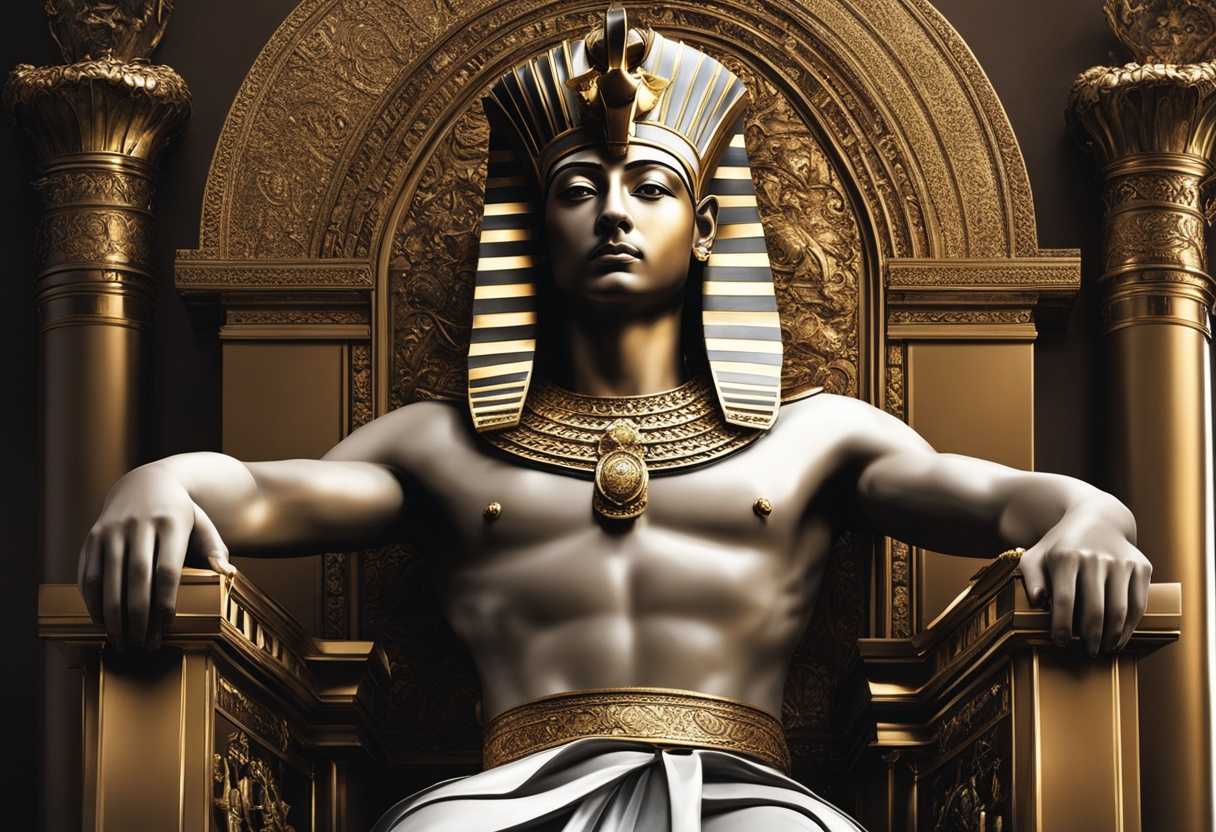
Setting the Scene for Romans 9:17
In Romans chapter 9, the apostle Paul is addressing the issue of God’s sovereignty in choosing His people. As he delves into the concept of God’s mercy and hardening of hearts, he references the story of Pharaoh in the book of Exodus. The scene Paul alludes to is when Moses, the great leader of the Israelites, confronts Pharaoh, the powerful ruler of Egypt, demanding the release of the Israelite slaves.
The setting is the grand palace of Pharaoh, adorned with intricate hieroglyphics and towering pillars. Moses, a humble yet determined man, stands before Pharaoh, his brother Aaron by his side for support. Pharaoh, adorned in regal attire, sits upon his throne, his face a mask of defiance and arrogance. The air is tense with the clash of wills between the two men, one representing the power of God and the other the might of Egypt.
As Moses speaks the words of God, demanding freedom for his people, the scene is charged with divine authority and human stubbornness. The room echoes with the weight of the impending confrontation, as Pharaoh’s heart is hardened by God, setting the stage for the unfolding of God’s plan through the dramatic events that will follow.
What is Romans 9:17 about?
This verse showcases the intricate and profound ways in which God’s sovereignty operates. It speaks to how God used Pharaoh’s hardened heart as a vessel to reveal His power and mercy to the Israelites and to all who would witness this incredible display of divine authority. God demonstrated His control over even the hearts of kings and rulers by hardening Pharaoh’s heart, showing that no one is beyond His reach or influence.
Have you ever marveled at how God can use even the most unwilling or resistant individuals to accomplish His purposes? This verse invites us to reflect on the ways in which God works in mysterious and unexpected ways to bring about His plans. It challenges us to trust in God’s sovereignty, even when faced with resistance or opposition, knowing that He is always in control and can turn any situation to serve His higher purposes. God’s power and mercy are constantly at work, even in the most challenging and unlikely circumstances, let us take comfort in this assurance.
Understanding what Romans 9:17 really means
In Romans 9:17, the Apostle Paul references the Old Testament story of Pharaoh in Exodus, highlighting God’s sovereignty and purpose in raising individuals for His plans. The passage emphasizes God’s power being displayed through human history, even using those who oppose Him to fulfill His will. This underscores the ultimate goal of God’s actions: that His name might be proclaimed in all the earth. Paul’s message to the Romans delves into the intricate tapestry of divine providence, showcasing how God orchestrates events and individuals to accomplish His purposes.
The phrase “Scripture says to Pharaoh” not only points to the historical account of Pharaoh’s resistance to God’s will but also underscores the significance of God speaking through Scripture. It serves as a reminder of the authority and power of God’s Word in revealing His plans and intentions. “I raised you up for this very purpose” echoes the theme of divine purpose and calling, illustrating how God appoints and raises individuals to fulfill specific roles in His grand design. This notion of God’s intentional raising of individuals for His purposes challenges us to consider our own roles in God’s plan.
“That I might display my power in you” encapsulates the idea of God’s power and glory being manifested through human vessels, even those who may initially oppose Him. This concept invites reflection on how God can use all circumstances, including adversities, to showcase His might and sovereignty. The verse culminates with the purpose-driven statement, “That my name might be proclaimed in all the earth,” emphasizing the overarching mission of spreading the knowledge of God far and wide. It underscores the importance of living with a purpose that aligns with God’s desire for His name to be glorified globally.
Drawing from related biblical passages such as Exodus 9:16, Proverbs 16:4, and Isaiah 46:10, we gain a deeper understanding of God’s sovereignty over all events and people. These verses reinforce the concept that God’s purpose will ultimately prevail, regardless of human intentions or actions. Applying these truths to our lives today, we find solace in trusting that God has a purpose for each individual and that He can use even challenging circumstances for His glory. This assurance empowers us to navigate life’s uncertainties with faith and confidence in God’s providential care.
Consider the story of someone who faced adversity, like losing a job, only to discover a new calling that allowed them to impact more lives. This anecdote mirrors the idea of God raising individuals for His purposes and displaying His power through their lives. It serves as a tangible reminder that God’s plans often unfold in unexpected ways, leading to greater outcomes than we could have imagined. As we reflect on such narratives, we are encouraged to embrace God’s sovereignty in our own journeys and to actively participate in proclaiming His name and glory in all facets of our lives.
In conclusion, Romans 9:17 encapsulates profound truths about God’s sovereignty, purpose, and power in orchestrating human history for His glory. It beckons us to trust in God’s plan, knowing that He works all things for the good of those who love Him. Let us, therefore, embrace our roles in God’s divine narrative, seeking to proclaim His name in all we do and reflecting His power and grace to a world in need of His love.
Why does God choose to show mercy?
God chooses to show mercy because He desires to make His name known and His power displayed throughout all the earth. His mercy is a manifestation of His glory and a way for Him to reveal His nature of compassion and forgiveness to His creation. God demonstrates His sovereignty and authority over all things in His mercy, ultimately bringing glory to Himself.
God’s choice to show mercy is not dependent on human efforts or behaviors but rather on His own will and purpose. He freely extends His mercy to those He chooses, regardless of their background or actions, in order to demonstrate His love and grace. This divine act of mercy reflects God’s character as a loving and compassionate Father, desiring to reconcile humanity to Himself through forgiveness and redemption.
Application
Let us be embraced by the supreme power of God in our lives, just as we navigate the complexities of our modern world, be it in work or in our families. Submitting to His will is like a compass guiding us through the labyrinth of the digital age. As we strive to find our place in this fast-paced universe, let us seek solace in His mercy and love, granting us strength and wisdom. Will you dare to trust God’s guiding hand and let His divine plan lead you to new heights in your journey?

Reverend Michael Johnson is an experienced Church Minister with a profound expertise in spirituality and guidance. With a serene presence and a compassionate heart, he has faithfully served his congregation for over 20 years, leading them on a spiritual journey towards inner peace and enlightenment. Reverend Johnson’s extensive knowledge of religious philosophies and profound understanding of human nature have made him a trusted confidant and mentor to many, as he seamlessly weaves his profound wisdom into life teachings. Reverend Johnson’s calming demeanor and empathetic nature continue to uplift and heal souls, nurturing a sense of unity and tranquility within his community.