
Zechariah 8:8 is about a promise of restoration and blessing from God to the people of Israel, assuring them that He will bring them back to their land and dwell among them again.
8 and I will bring them to dwell in the midst of Jerusalem. And they shall be my people, and I will be their God, in faithfulness and in righteousness.
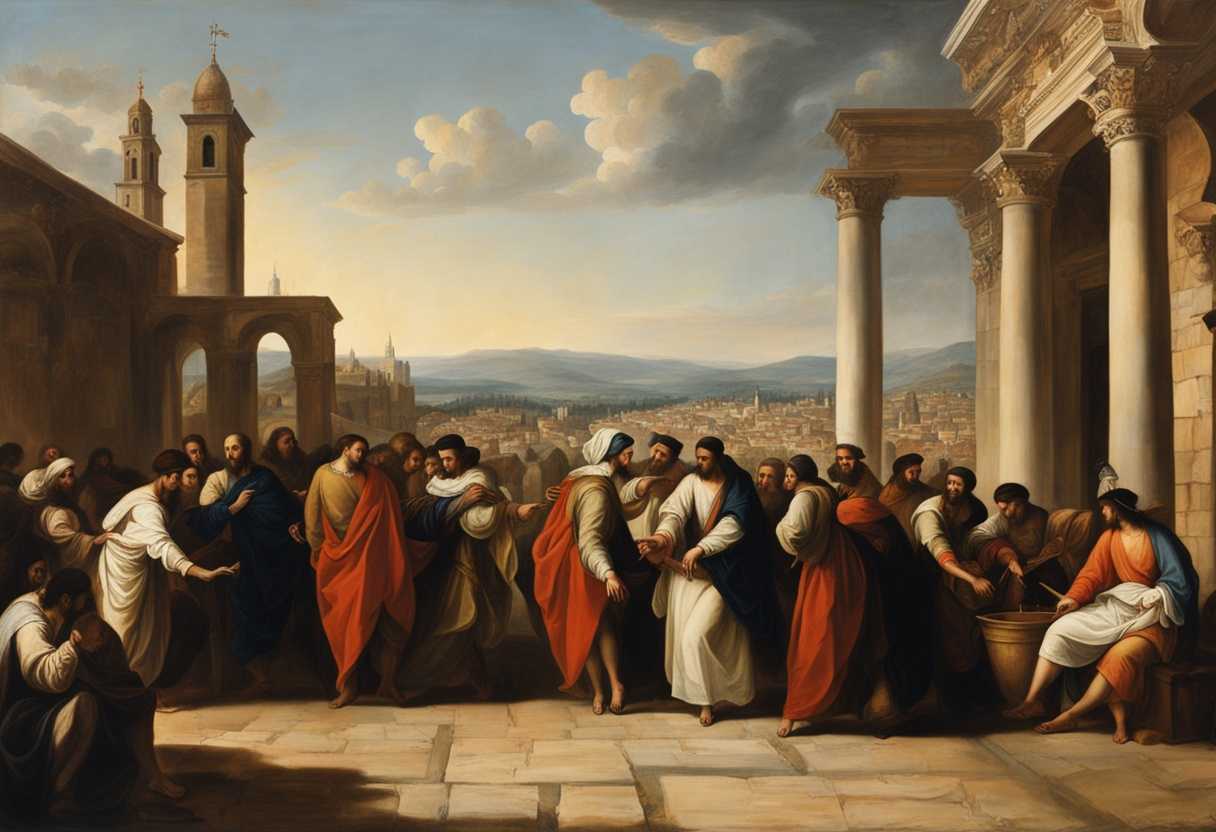
Setting the Scene for Zechariah 8:8
In Zechariah chapter 8, the prophet Zechariah is addressing the people of Jerusalem after they have returned from exile in Babylon. The scene is set in the rebuilt city of Jerusalem, which had previously been destroyed by the Babylonians. The city is bustling with activity as the people work together to restore their homeland.
Zechariah, a prophet of God, stands in the midst of the crowd, his voice ringing out as he delivers a message of hope and restoration to the people. The leaders of the community, including Zerubbabel the governor and Joshua the high priest, are gathered around him, listening intently to his words. The people have come together to hear Zechariah speak, eager to receive guidance and encouragement as they continue to rebuild their lives and their city.
As Zechariah speaks, his words resonate with the people, filling them with a renewed sense of purpose and determination. He reminds them of God’s faithfulness and promises to bless them abundantly if they remain faithful to Him. The scene is one of unity and hope, as the people of Jerusalem come together to seek God’s guidance and blessings as they work towards a brighter future.
What is Zechariah 8:8 about?
God is making a promise of restoration and peace to His people in this verse. The mention of bringing them back to Jerusalem symbolizes a return to a place of safety, belonging, and spiritual significance. It signifies a metaphorical homecoming where the people will be reunited with their roots and heritage. The notion of dwelling in peace highlights the ultimate goal of God’s plan for His people – a state of harmony, tranquility, and well-being. This promise instills hope and assurance in the hearts of the believers, reminding them of God’s faithfulness and steadfast love.
Reflecting on this verse, consider the significance of God’s promise in your own life. How does the idea of being brought back to a place of peace and security resonate with your own experiences and aspirations? What can you learn from this promise about God’s character and His intentions for His people? This verse may serve as a source of encouragement and assurance as you contemplate its depth, reminding you that God is always working towards bringing you back to a place of peace and fulfillment in Him.
Understanding what Zechariah 8:8 really means
In the prophetic book of Zechariah, amidst promises of restoration and renewal for Jerusalem, we find a gem in Zechariah 8:8. This verse is nestled within a chapter brimming with God’s blessings and the anticipation of a prosperous future for His people. It’s crucial to understand the historical backdrop of the Israelites returning from Babylonian exile and the monumental task of rebuilding the temple, as it sets the stage for the profound significance of God’s promises.
“They shall be my people,” a simple yet profound declaration that signifies a restored relationship between God and His chosen ones. This phrase encapsulates a sense of belonging and identity, reassuring the Israelites of their place in God’s heart. “I will be their God,” a covenantal promise echoing through the ages, encapsulates divine protection, guidance, and abundant blessings showered upon His people. The mention of living “in truth and righteousness” underscores the foundational principles of this restored relationship, emphasizing faithfulness, integrity, and moral uprightness as the bedrock of their communion with God.
Drawing parallels with related biblical passages such as Jeremiah 31:33, Revelation 21:3, and Ezekiel 37:27, we witness a tapestry of God’s enduring commitment to His people. These verses reinforce the covenantal bond between God and His beloved, culminating in the ultimate fulfillment of His promises in the new heaven and new earth. The intimate relationship God desires with His people is vividly portrayed, emphasizing His desire to dwell among them and be their God.
The timeless relevance of Zechariah 8:8 resonates deeply with individuals today, offering a beacon of hope and assurance in a world fraught with questions of identity and belonging. Just as the Israelites found solace in God’s promise of restoration, we too can find comfort in knowing that we are cherished members of God’s family. The call to uphold truth and righteousness serves as a poignant reminder of the ethical and moral standards expected of us as God’s chosen people, guiding our actions and decisions in a world often marred by moral ambiguity.
Consider a community ravaged by hardship and displacement, akin to the plight of the exiled Israelites. In a modern context, this could mirror the struggles of refugees seeking refuge and a sense of belonging. When these individuals find a welcoming community that embraces them, they experience a glimmer of restoration and hope, akin to the promise encapsulated in Zechariah 8:8. This verse speaks volumes about God’s enduring love and His desire to restore and uplift those who feel lost and displaced, offering a profound sense of belonging and purpose.
In conclusion, Zechariah 8:8 stands as a testament to God’s unwavering commitment to His people, beckoning us to embrace our identity in Him and to walk in the paths of truth and righteousness. It serves as a beacon of hope and assurance for all who seek belonging and purpose in a world fraught with uncertainties, reminding us that in God, we find our truest sense of identity and belonging.
How can we be God’s people in truth?
We can be God’s people in truth by choosing to live in line with His promises. This means embracing His guidance and commands with sincerity and commitment, trusting in His faithfulness and power to fulfill what He has spoken. We demonstrate our genuine desire to belong to Him and uphold His ways by walking in obedience to God’s word and allowing His truth to shape our thoughts, words, and actions.
Being God’s people in truth involves aligning our hearts with His, seeking to honor Him in all that we do. This requires a willingness to continually yield to His leading and allow His Spirit to transform us, molding us into the image of Christ. We bear witness to the reality of our relationship with God and display a genuine faith that is rooted in His love and righteousness. We, as God’s people in truth, are called to reflect His character in the world, shining as lights that point others to His glory and grace. We testify to His power to redeem and restore by abiding in His truth and letting it shape our lives, inviting others to experience the same transformative relationship with Him. We fulfill our purpose as His chosen ones and participate in His work of bringing light and hope to a world in need of His saving grace.
Application
Let’s embrace the powerful message of Zechariah 8:8 – just as God gathers His people, let’s come together in unity and purpose. Have faith in His promises, for He never fails. As individuals in this modern world, let’s work diligently like a well-oiled machine, each playing our part in God’s grand design. Let’s lovingly build our spiritual family, extending kindness to all. Are you ready to join hands and spread the message of love and hope?

Reverend Michael Johnson is an experienced Church Minister with a profound expertise in spirituality and guidance. With a serene presence and a compassionate heart, he has faithfully served his congregation for over 20 years, leading them on a spiritual journey towards inner peace and enlightenment. Reverend Johnson’s extensive knowledge of religious philosophies and profound understanding of human nature have made him a trusted confidant and mentor to many, as he seamlessly weaves his profound wisdom into life teachings. Reverend Johnson’s calming demeanor and empathetic nature continue to uplift and heal souls, nurturing a sense of unity and tranquility within his community.