
In the Bible, Atarah means “crown” or “diadem.” It is used as a personal name and can signify royalty or a place of prominence, as seen in some genealogies and lists of descendants, such as in 1 Chronicles 2:26.
Scripture
18 Caleb the son of Hezron fathered children by his wife Azubah, and by Jerioth; and these were her sons: Jesher, Shobab, and Ardon.
19 When Azubah died, Caleb married Ephrath, who bore him Hur.
Meaning of Atarah in the Bible
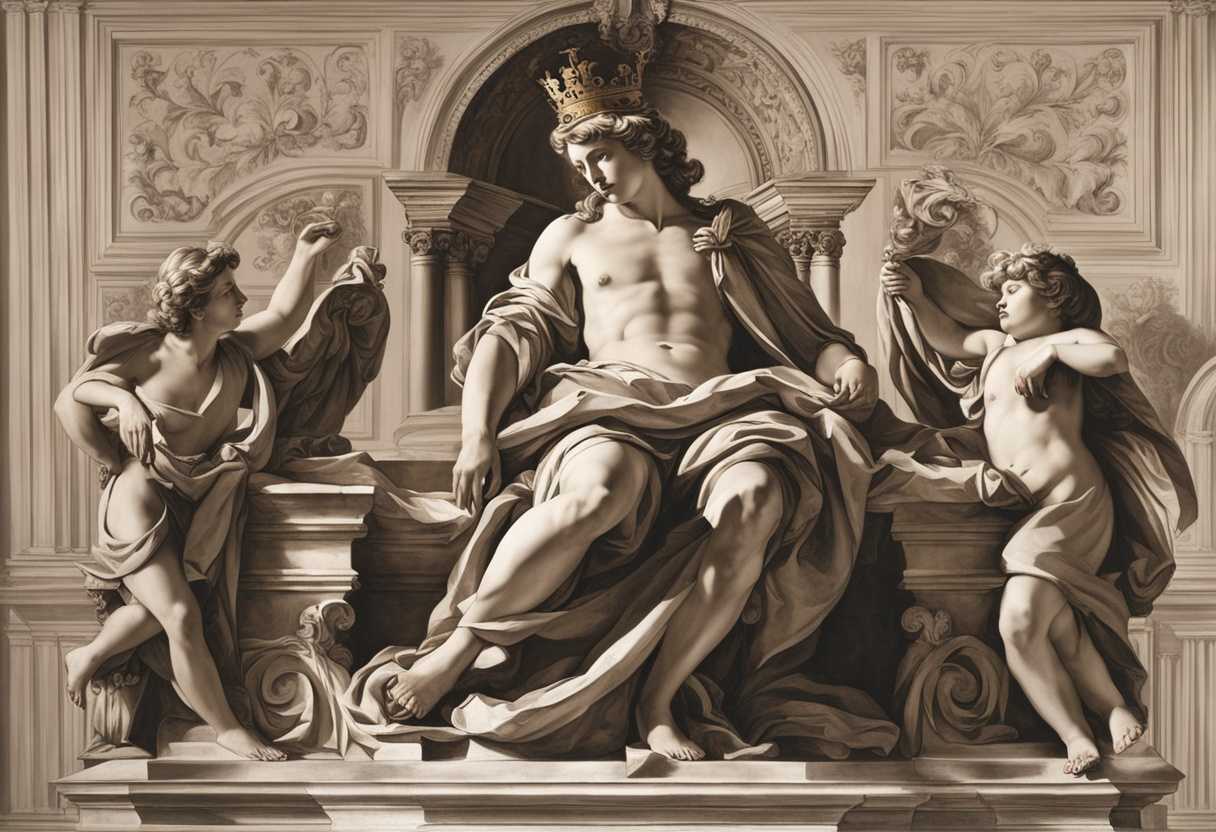
The term “Atarah,” meaning “crown” or “diadem,” carries significant weight in the biblical context, symbolizing not only royalty and honor but also the divine favor associated with leadership and authority. In 1 Chronicles 2:26, the use of Atarah as a personal name emphasizes the importance of lineage and position within the Israelite community. This connection to royalty can be understood in relation to other scriptural themes that relate crowns to God’s sovereignty and the bestowed gifts of leadership. For instance, in Revelation 19:12, crowns are worn by Christ, signifying His ultimate authority and victory. Therefore, Atarah as a concept extends beyond individual names, embodying a spiritual principle of divine appointment and the inherent dignity of those whom God chooses to lead His people.
In a broader theological sense, the idea of crown in relation to Atarah invites reflection on the nature of service and responsibility that comes with titles of honor. Scripture frequently juxtaposes the idea of worldly crowns adorned with glory and splendor against the biblical call to humility and sacrificial leadership. James 1:12 presents the idea of a “crown of life” given to those who endure trials, suggesting that true honor and recognition come not merely through status but through faithfulness and perseverance in the face of adversity. Thus, Atarah not only signifies a place of prominence but also challenges believers to embrace a kingdom perspective, where the ultimate crown is one that reflects servanthood and fidelity to God’s purpose.
The presence of Atarah and its symbolism of a crown can also be seen in various forms throughout Scripture, particularly in the poetic and prophetic writings. In Proverbs, wisdom is often personified as a crowned figure, offering insights into the virtues of diligent living and righteous leadership. This connection indicates that divine wisdom carries an inherent authority and prestige akin to a royal crown, underscoring the importance of aligning one’s life choices with God’s principles. Through such imagery, Atarah reinforces the notion that true greatness is derived from the pursuit of wisdom and understanding rather than mere societal accolades.
Moreover, the coronation imagery associated with Atarah appears in the prophetic literature, where it serves to depict Israel’s hope for restoration and divine rule. Prophets like Isaiah articulate visions of kingship that reflect God’s sovereignty, where crowns symbolize both power and the hope for a righteous ruler to come. In these contexts, Atarah signifies a future where God’s reign is established through anointed leadership that upholds justice and mercy. This anticipatory aspect of the crown invites believers to contemplate their role in God’s redemptive narrative, urging a commitment beyond earthly power toward a legacy of faithfulness that mirrors the divine archetype of leadership demonstrated through Christ.
Symbol of Royalty and Honor
The name Atarah, which translates to “crown” in Hebrew, signifies a sense of royalty and honor. In biblical contexts, crowns often represent authority, dignity, and the divine favor bestowed upon individuals. This symbolism extends to the idea of being set apart for a special purpose, reflecting the honor that comes with leadership and responsibility in the community of faith.
Representation of God’s Blessings
Atarah can also be seen as a representation of God’s blessings and the rewards that come from living a faithful life. Just as a crown is worn as a mark of achievement, the concept of Atarah embodies the blessings that believers receive from God for their perseverance and devotion. This connection emphasizes the importance of faithfulness and the ultimate reward that awaits those who remain steadfast in their spiritual journey.
Connection to Spiritual Identity
Furthermore, Atarah can be interpreted as a symbol of spiritual identity and belonging. In a broader sense, the idea of being crowned can relate to the identity of believers as children of God, heirs to His promises. This understanding fosters a sense of community and belonging among believers, as they collectively share in the honor and identity that comes from their relationship with God.
How to Embrace Nobility Through Faith and Service
Embracing nobility through faith and service is a beautiful journey that invites us to reflect Christ’s love in our daily lives. It begins with a heart open to God’s grace, recognizing that true nobility is not about status or wealth, but about humility and the willingness to serve others. As we deepen our relationship with God through prayer and scripture, we cultivate a spirit of compassion that compels us to reach out to those in need—whether it’s lending a listening ear, volunteering our time, or simply offering a kind word. Remember, Jesus Himself modeled this nobility by washing the feet of His disciples, teaching us that greatness in His kingdom is found in our willingness to serve. So, let’s strive to embody this noble spirit, allowing our faith to guide our actions, and in doing so, we not only uplift others but also draw closer to the heart of God.
Bible References to Meaning of Atarah:
1 Chronicles 2:50-51: 50 These were the descendants of Caleb. The sons of Hur the firstborn of Ephrathah: Shobal the father of Kiriath-jearim,
51 Salma fathered Bethlehem, the father of Netophah.
1 Chronicles 2:54-55: 54 The sons of Salma: Bethlehem, the Netophathites, Atroth-beth-joab and half of the Manahathites, the Zorites.
55 and the clans of scribes who lived at Jabez: the Tirathites, the Shimeathites, and the Sucathites. These are the Kenites who came from Hammath, the father of the house of Rechab.

Rev. François Dupont is a dedicated church minister with a wealth of experience in serving spiritual communities. With a calm and serene demeanor, he has been devoted to sharing the message of love, compassion, and tolerance for over two decades. Through his thoughtful sermons, compassionate counseling, and unwavering support, Rev. Dupont has touched the lives of countless individuals, allowing them to find solace and strength during difficult times. His serene presence and deep understanding of the human condition make him a trusted guide for those seeking spiritual nourishment and guidance.